
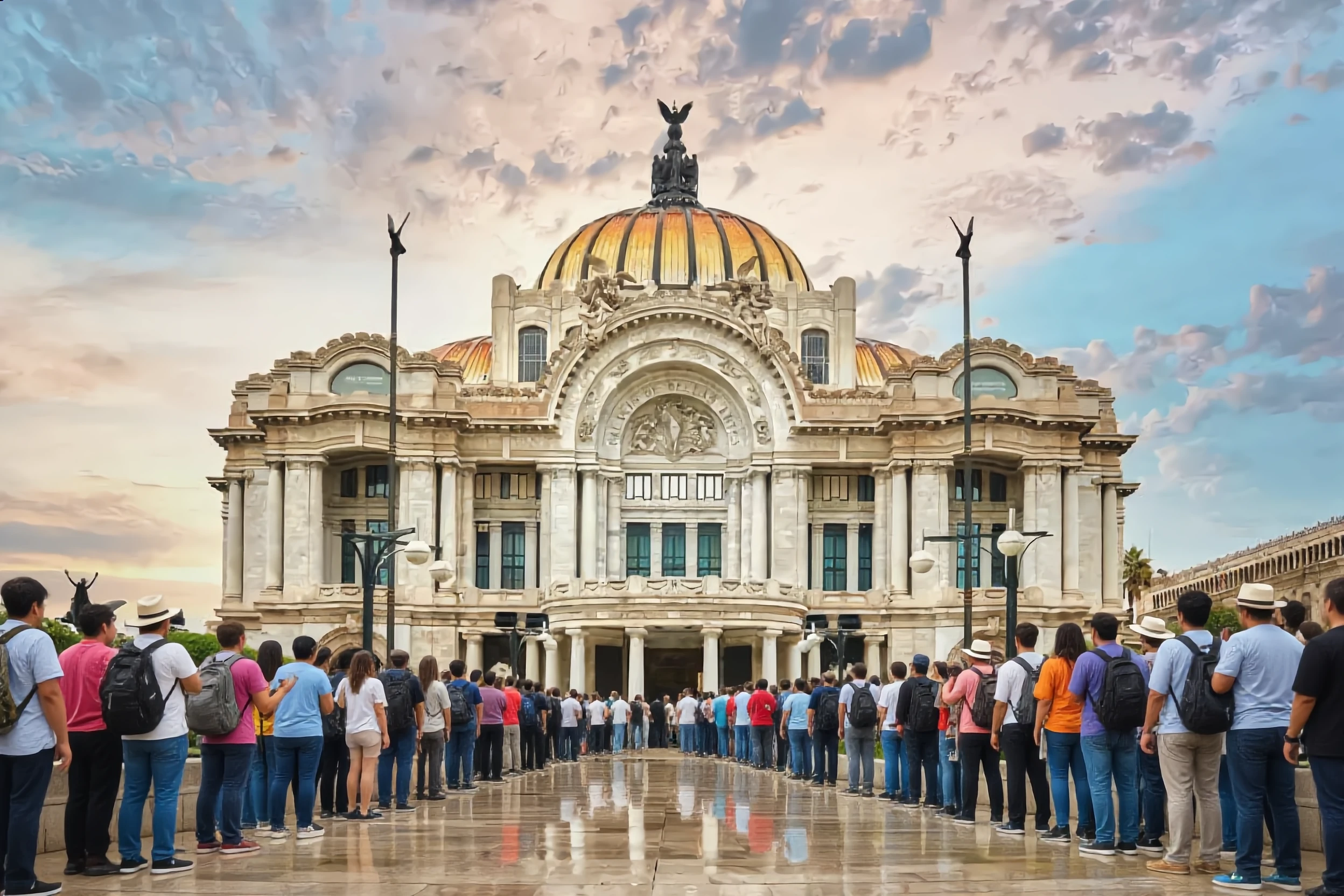
Museum attendance in Mexico rises in 2025
In a notable trend for cultural institutions in Mexico, museum attendance continues to rise post-pandemic. According to data released by the National Institute of Statistics and Geography (Inegi), Mexican museums attracted a substantial 52.2 million visitors in 2025. This number reflects an increase from the 51.5 million visitors recorded in 2024. This growth represents progress towards pre-pandemic attendance levels, yet it remains below the heights seen in 2017, where 75.1 million people visited museums across the country. The data, part of Inegi’s ‘Statistics on Museums’ report released on May 18, provides crucial insights into visitor trends and public engagement with cultural heritage in Mexico.
Why did museum attendance increase in 2025?
The rise in museum attendance to 52.2 million visitors in 2025 can be attributed to several factors. Increased awareness and promotional efforts have contributed to these numbers, enhancing public interest in cultural sites. Despite challenges, the engagement strategies implemented by museums have begun to see tangible results, showing a growth of 0.6 million visitors compared to 2024. This is a positive sign following the significant drop to 12.8 million visitors in 2020 due to the COVID-19 pandemic.
Which regions had the highest museum visits?
The report highlighted the top five regions in Mexico for museum attendance in 2025, led by Mexico City with 25,807,320 visitors. Following Mexico City, Nuevo León attracted 4,741,774 visitors. The state of Guanajuato saw 2,457,337 visitors, while Puebla reported 2,108,809, and the State of Mexico had 1,977,977 visitors. These figures underscore the cultural resonance and accessibility within densely populated and culturally rich areas of the country.
What factors contribute to Mexico City’s museum popularity?
Mexico City’s ranking as the top destination for museum visitors is largely due to its impressive number of museums, totaling 166. This significantly surpasses other regions like Nuevo León, which has only 47 museums. The diversity and depth of exhibitions available in Mexico City attract both domestic and international visitors, seeking to explore a wide spectrum of cultural and historical exhibits, thereby supporting sustained attendance growth over the years.
Who are the most frequent museum visitors by age?
The demographic analysis within the Inegi report identified young adults, particularly those aged 20-29, as the most frequent visitors to museums in 2025. This group showed the highest engagement, followed by visitors aged 30-39 and 40-49. The data reveals a positive trend of younger generations maintaining an active interest in cultural activities, indicating the potential for prolonged engagement across generational lines.
What role do gender and education play in museum visits?
In 2025, women accounted for 54.3% of museum visitors, surpassing male visitors who made up 45.7%. Additionally, educational attainment influenced visit frequency: 61.9% of museum-goers held higher education degrees, strengthening the link between education level and cultural engagement. This trend demonstrates the importance of educational outreach and the potential for educational institutions to foster better appreciation for cultural experiences.
What are common reasons for not visiting museums?
The Inegi report also explored reasons for limited museum visitation. Key reasons included a lack of awareness or advertising, cited by 18.2% of respondents, and 16.4% pointing to a lack of culture or educational exposure. Moreover, 15.9% indicated time constraints. Addressing such barriers through enhanced communication and educational programs could potentially increase museum attendance further in the coming years.
What motivates people to visit museums?
Visitor motivations were also explored, revealing that general cultural interest drives 21.7% of visits. Learning was a key factor for 16.6% of attendees, and 16.4% visited to view specific exhibitions. These statistics highlight the inherent interest in culture and learning among the population, providing museums with insight on how to tailor future exhibitions and outreach programs to align with public interests and motivation.
Duration of visits: how long do people stay?
According to the report, a majority of visitors—56.8%—stayed in museums for less than an hour. Approximately 13.1% of visitors explored museum offerings for over two hours. This variance in visit duration suggests opportunities for museums to enhance visitor engagement through immersive and interactive exhibits aimed at prolonging visits and enriching the cultural experience for all visitors.
In conclusion, the findings from the Inegi report offer a detailed look into the dynamics of museum attendance in Mexico. The upward trend in visitor numbers post-pandemic suggests a renewed interest in cultural heritage, driven by effective promotional strategies and educational outreach. By understanding the demographic and motivational factors that influence visitation, museums can continue to grow their audiences, offering enriching experiences that resonate with diverse segments of society.


