
The evolution of games of chance in Mexico
Mexico has a rich cultural heritage that includes a fascinating history with games of chance. These games are woven into the fabric of Mexican society, reflecting both ancient traditions and modern adaptations. The evolution of these games reveals much about Mexico’s identity, from pre-Hispanic times to the digital age. Let’s explore how games of chance have adapted over time, maintaining their place in Mexican culture.
What are traditional Mexican games of chance?
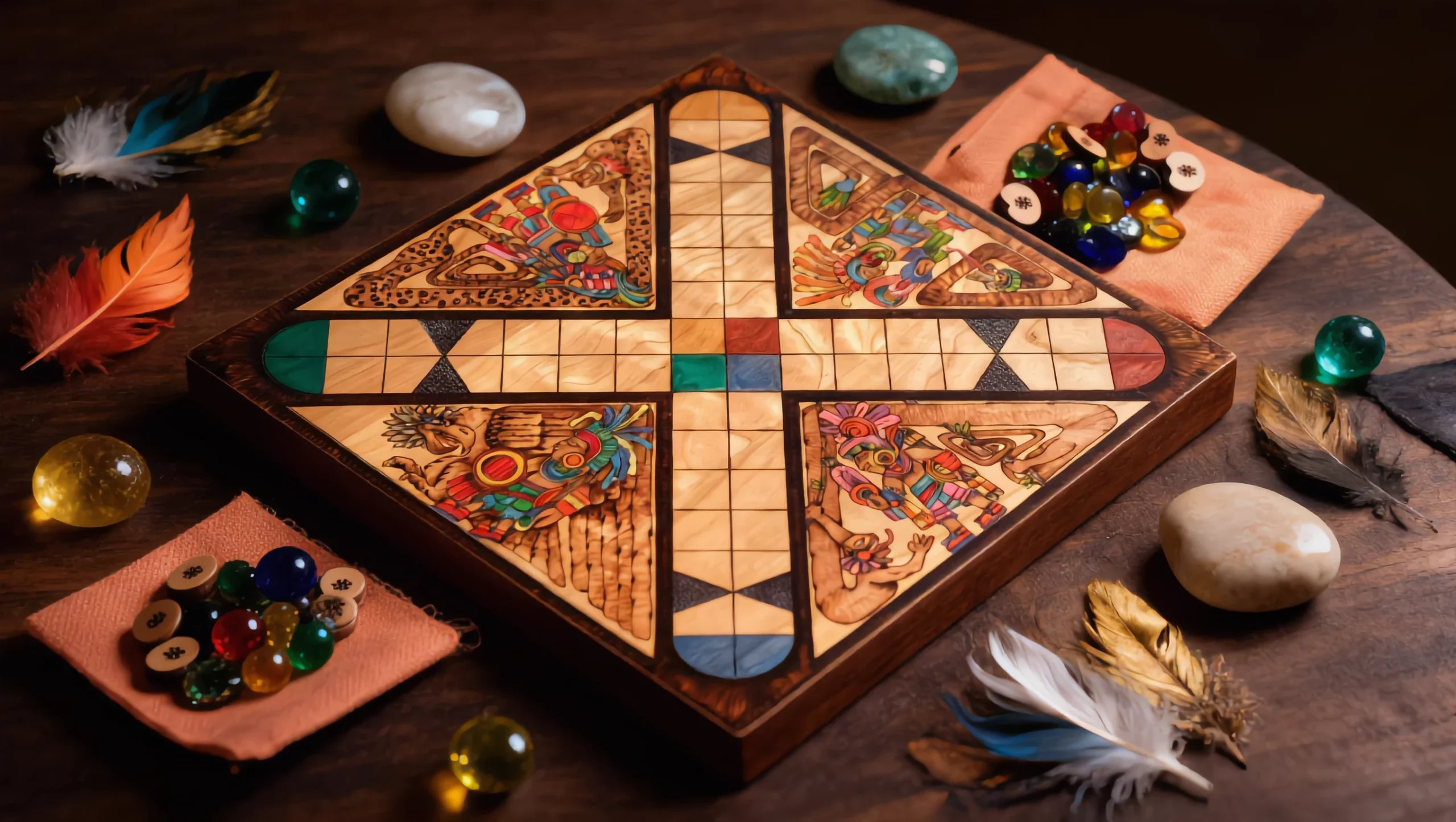
Traditional Mexican games of chance are activities that involve risk, uncertainty, and the possibility of winning a reward. These games existed long before the digital era and were an integral part of social rituals and entertainment. The Patolli, for example, is one of the oldest known Mesoamerican games, combining strategy with luck. Played using marked beans as dice, Patolli was a social event where people gathered to wager items like blankets, food, and jewelry. This historical game highlights the deep-rooted fascination with chance in Mexican culture, proving its longevity and influence.
How did Patolli contribute to Mexican culture?
Patolli was not only a game but a cultural phenomenon among pre-Hispanic civilizations, particularly the Mexica. Participants and 16th-century chronicle observers were often captivated by its significance and social impact. The game provided a space for community bonding through sharing excitement and anticipation. Although it gradually faded, Patolli remains an important cultural symbol, representing the complex social structures and recreational richness of ancient Mesoamerican societies. Its study continues to offer insights into Mexico’s profound connection to games of chance and communal engagement.
What made the Mexican lottery popular?
The Mexican lottery became a cultural staple with illustrated cards that gained iconic status. It first gained prominence in the 19th century and maintained popularity due to its ease and shared cultural identity. The primary allure lies in its unpredictability; players never know which card will complete their board. The lottery’s charm crosses generational lines, with families gathering to share the thrill of the game. This simplicity and enduring excitement have cemented the lottery’s place as a beloved national pastime.
How do fairs, raffles, and lotteries fit into Mexican culture?
Fairs, raffles, and lotteries are entrenched traditions at local festivals, regional events, and community gatherings across Mexico. These activities serve a dual purpose: entertaining participants and fostering social cohesion. Raffles and lotteries are often organized to support community initiatives, strengthening collective ties. The prominence of these activities highlights the cultural normalcy of testing one’s luck. More than economic pursuits, these events underline the communal and cultural relevance of chance and shared experiences in Mexican life.
How has technology transformed gambling traditions?
Technology significantly reshaped traditional gambling forms, integrating them into digital platforms. Over the past two decades, online environments adapted these games, incorporating elements of unpredictability and chance. Video games and mobile applications with random rewards illustrate this evolution. Researchers examine the shift to digital formats, noting differences in engagement across generations. These digital transformations reveal consistent motives tied to curiosity and emotional reward, making them an extension rather than a replacement of historical amusements.
Does digital entertainment signify a cultural break?
Digital entertainment is commonly seen as a cultural break from the past, but analysis suggests otherwise. Core motivations like curiosity, outcome uncertainty, and friendly competition remain consistent. The technological context now allows for immediate, widespread access. What once transpired in town squares or family gatherings can occur online, connecting users worldwide. By understanding these trends culturally and socially, the continuity of human engagement through new forms of technology becomes apparent, showcasing cultural adaptation over rupture.
How has Mexico’s digital market evolved?
Mexico’s digital market emerged as a leading Latin American hub, fueled by increased connectivity and widespread smartphone usage. The rapid growth of digital media and interactive platforms expands entertainment options continually. Studies track how digital habits evolve, covering everything from gaming to new interactive formats. This growth demonstrates an adaptive entertainment landscape poised to redefine leisure and social interaction forms. In examining these shifts, the dynamic interplay between traditional and modern experiences in the age of digital media stands prominent.
How do traditional elements persist in modern entertainment?
Traditional elements in Mexican entertainment now manifest within contemporary digital contexts. The historical inclination toward chance-based games carries into modern platforms, echoing the enduring human desire for uncertainty and reward. New technologies provide a global stage for these cultural narratives to endure, exhibiting resilience and adaptability. Through this evolution, Mexican cultural traditions don’t vanish but transform, sustaining relevance amid technological progress. The digitization of entertainment, therefore, reflects a cultural continuity more than a novelty, maintaining historical connections while embracing innovation.
Games of chance in Mexico reveal a culture of adaptation and continuity, weaving ancient practices with modern innovations. From Patolli’s revered place in history to the digital gaming landscape, Mexican society continues to redefine entertainment while honoring its past. These transformations highlight the resilient and adaptive nature of cultural traditions, ensuring that the allure of uncertainty and chance thrives across generations.


