
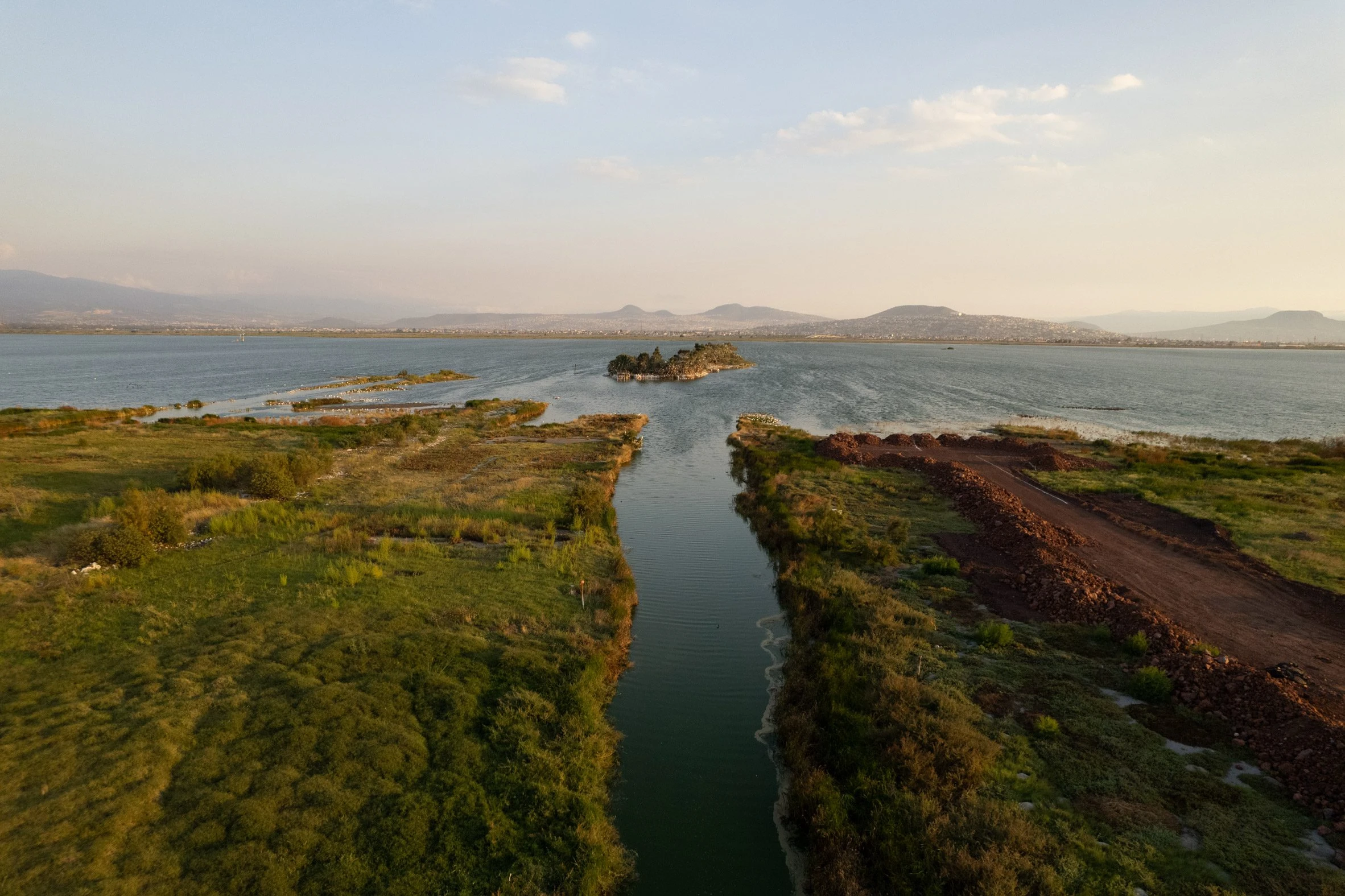
Challenges and progress at Texcoco Lake park
The transformation of Texcoco Lake into a vast ecological park highlights significant environmental and urban planning challenges. Spanning over 143 million square meters, its development faces hurdles such as limited accessibility and ongoing land disputes. Despite these obstacles, the park offers a unique opportunity to rejuvenate a crucial ecosystem, with efforts led by architect Iñaki Echeverría. Here, we explore the complexities and the impact of this ambitious project on the community and environment.
What are the accessibility issues facing Texcoco Lake Park?
Texcoco Lake Park struggles with accessibility, primarily due to its location and surrounding infrastructure. Iñaki Echeverría, the project architect, acknowledges the deliberate decision to prioritize restoration over immediate accessibility solutions. Visitors mostly rely on cars to reach the park, highlighting a major gap in public transport connections. This decision was part of a strategic trade-off, focusing on demonstrating the park’s ecological viability first. This choice impacts visitor numbers, as those without vehicles find it challenging to access this expansive public space.
Why are there land disputes around Texcoco Lake?
Land disputes persist due to ongoing claims by farmers from Texcoco, Atenco, and Chimalhuacán regarding ejido lands expropriated during the halted Nuevo Aeropuerto Internacional de la Ciudad de México (NAICM) project. The cancellation of the airport left these communities seeking the regularization of lands taken without proper resolution. These disputes complicate the park’s development and underline the tension between past governmental decisions and present-day ecological restoration efforts. As the park progresses, resolving these land issues remains crucial for community relations and project stability.
How did the NAICM project impact Texcoco Lake?
The NAICM project, announced in 2014, had a considerable environmental impact on Texcoco Lake. It led to the destruction of key migratory bird refuges and the alteration of local landscapes. The airport project, which promised to be one of the ‘greenest’ in the world, ultimately damaged more than it contributed. By 2015, the lake had lost over 95% of its original surface due to the planned airport construction. This environmental degradation necessitated a comprehensive restoration approach once the project was canceled by President Andrés Manuel López Obrador in 2018.
What restoration efforts are underway at Texcoco Lake?
Following the cancellation of the NAICM, extensive restoration efforts have been underway at Texcoco Lake. Led by Iñaki Echeverría, and supported by Conagua and the Ministry of Environment, the project has successfully reforested thousands of hectares with native vegetation. This restoration focuses on reestablishing the lake’s natural ecosystems, including reconnecting nine rivers and planting salt-resistant species. These efforts have been reinforced by academic collaborations, registering the return of endangered species and providing new habitats for migratory birds.
How did the 2025 rains accelerate the lake’s recovery?
The intense rains of 2025 significantly enhanced the restoration of Texcoco Lake. According to reports from UNAM and Conagua, these were the heaviest downpours in over eight decades. The precipitation filled regulatory basins, boosting humidity levels and reactivating dormant biological processes. Satellite images showed bodies of water reemerging in previously barren areas, further accelerating ecological recovery. This natural intervention highlighted both the region’s potential for rebirth and the challenges of adapting urban infrastructure to natural events.
How do urban infrastructure challenges affect the park’s progress?
The park’s progress is tempered by broader urban infrastructure issues in the Valley of Mexico. The rains that benefit Texcoco Lake’s recovery simultaneously expose deficiencies in the region’s drainage and urban planning. Frequent flooding in urban areas underscores the city’s ongoing struggle with integrating natural landscapes and urban growth. These challenges stress the necessity of sustainable planning strategies that accommodate natural features, rather than opposing them, to foster urban resilience and ecological harmony.
What role do local communities and universities play in Texcoco Lake’s restoration?
Local communities and universities play a pivotal role in the restoration of Texcoco Lake. Their involvement ensures the integration of local knowledge and scientific expertise, essential for sustainable ecological practices. Institutions like UNAM and UAM contribute through research and monitoring the return of native species. Community engagement is crucial, providing insights into historical land use and fostering stewardship of the restored area. This collaboration enhances the park’s restoration efforts, building a bridge between technical solutions and community-driven initiatives.
What is the future outlook for Texcoco Lake Park?
The future of Texcoco Lake Park appears positive, with continued restoration and ecological management. While challenges remain, ongoing efforts aim to balance accessibility improvements and ecological integrity. The park stands as a testament to the possibility of revitalizing a once-neglected landscape, offering lessons in resilience and sustainable practices. As the ecosystem thrives, so does the potential for the park to serve as a model for urban ecology, offering insights into integrative approaches to environmental rehabilitation.
In conclusion, Texcoco Lake Park represents both progress and challenge. Its restoration highlights the interplay of ecological ambitions and urban realities. The project demonstrates the impact of collaborative efforts between architects, communities, and educational institutions. As the park evolves, it signifies not only a commitment to ecological recovery but also a rethinking of urban planning, inviting us all to consider how we engage with and nurture our natural environments.


