
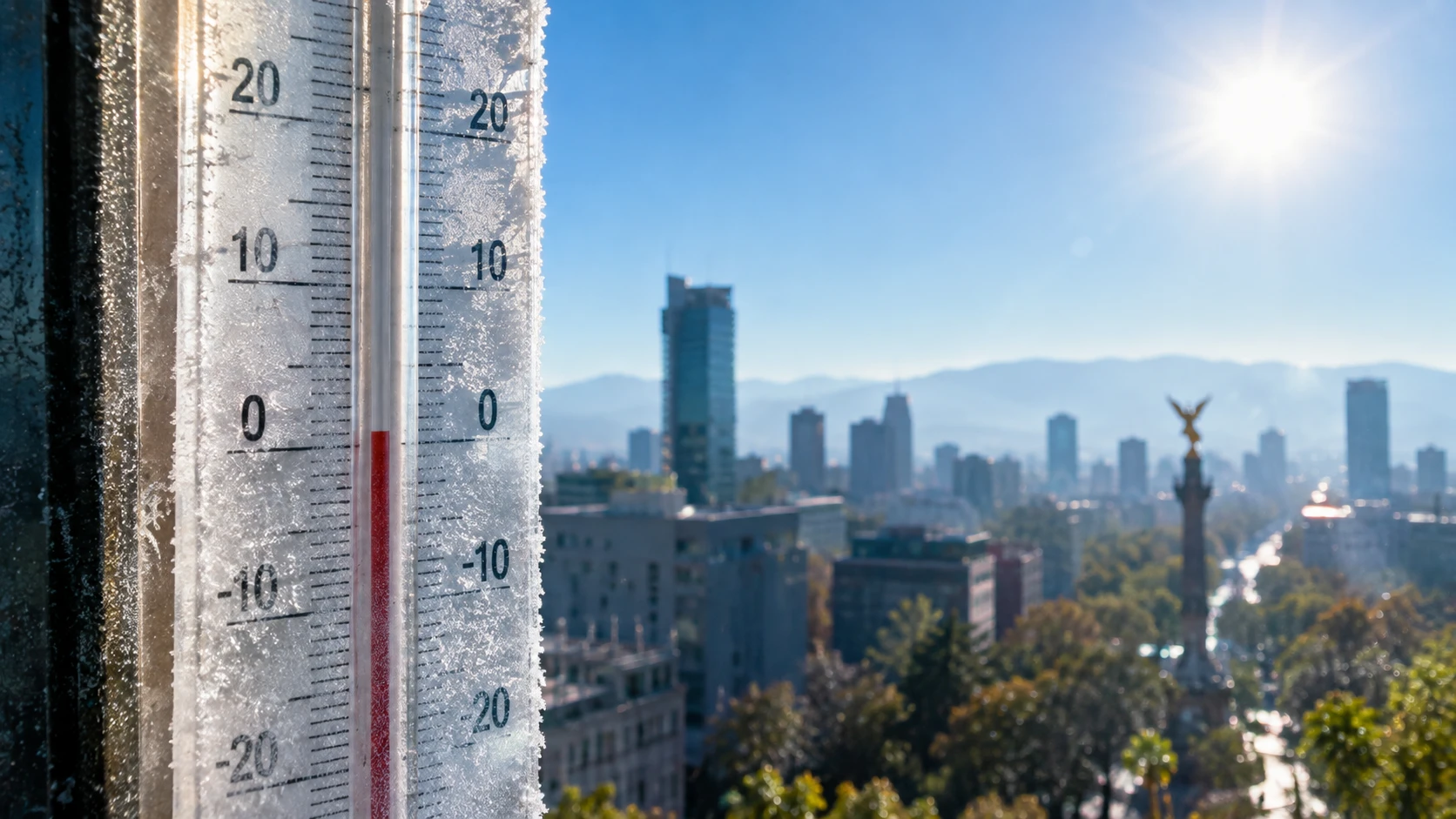
Why is it colder in some Mexico City areas?
Understanding the temperature variations within a large metropolitan area like Mexico City is crucial for residents and urban planners alike. One may wonder why there are significant differences, sometimes up to 10°C, between different zones of the same city. According to recent findings by the National Autonomous University of Mexico (UNAM), these differences are primarily influenced by factors like urban heat islands and local geography. Let’s delve into the details to understand this phenomenon better.
What causes temperature differences in Mexico City?
Temperature variations within Mexico City are largely attributed to urban heat islands. These zones are characterized by higher temperatures due to human activities and urban infrastructure. The difference can be as much as 10°C. Zoning and urban planning also play roles. For instance, in March, temperatures in Xochimilco might drop to 6°C, while the Centro Histórico could be 16°C at the same time in the morning. Urbanization levels and vegetation density critically affect these disparities.
How do urban heat islands affect temperatures?
Urban heat islands result from the replacement of natural landscapes with urban structures like concrete and asphalt. These materials absorb and store more heat. For example, Centro Histórico, filled with buildings and fewer green spaces, experiences higher temperatures even at night. According to Elda Luyando López, from UNAM’s Atmospheric Sciences Center, the difference in temperature between urban and greener spaces can significantly impact local climates.
Where are temperature differences most noticeable?
The most dramatic temperature differences in Mexico City occur between urban and rural areas. In the morning, areas like Xochimilco experience lower temperatures compared to heavily constructed areas like Centro Histórico. Vegetated zones cool down more quickly due to shading and water evaporation, which enhances their cooling effect. On specific spring days, Xochimilco’s temperature can be 10°C lower than downtown Mexico City, illustrating the impact of urban density on temperature.
How does vegetation impact urban temperatures?
Vegetation plays a substantial role in modulating temperatures. Trees and plants provide shade and facilitate water evaporation, which cools the air. Areas with more greenery naturally maintain lower temperatures. The UNAM points out that suburbs with more vegetation, like those south of the capital, often enjoy cooler climates. This understanding underscores the importance of preserving green spaces to mitigate urban heat islands.
Do topography and altitude influence local climate?
The topography and altitude of Mexico City also contribute to climate differences. Situated at about 2,240 meters above sea level, the city has varied elevations that affect temperature and weather patterns. For example, elevated areas with more exposure to wind might cool down more rapidly, particularly on clear nights. These geographic features, combined with built areas, define the diverse microclimates within the city.
How do meteorological factors contribute?
Weather conditions like cloud cover and wind influence how temperatures vary across the city. On clear, calm evenings, heat can escape more rapidly from the ground, causing temperatures to drop significantly by dawn. This effect is more apparent in less urbanized areas with more exposure. Variations in these meteorological factors intensify the temperature differences observed across the urban landscape.
What role does urban planning play?
Urban planning decisions heavily affect how temperatures are distributed in Mexico City. The expansion of paved and built surfaces without adequate greenery accelerates heat accumulation. UNAM researchers emphasize that sustainable urban designs incorporating trees and water bodies can help moderate local temperatures. Dense constructions hinder cooling processes, contributing to higher temperatures in central areas.
Why is understanding these differences important?
Appreciating the diverse microclimates in Mexico City is vital for effective urban development. It aids in crafting strategies to manage heat island effects and improve urban living conditions. By integrating green infrastructure, the city can substantially mitigate temperature extremes, benefiting residents’ comfort and environmental health. Recognizing these facts empowers better policymaking for sustainable urban growth.
In conclusion, Mexico City’s temperature differences stem from complex interactions between urban infrastructure, natural geography, and human activities. As varying factors contribute to considerable differences, understanding these can guide more sustainable urban development and encourage conservation of green spaces. This approach not only fosters a more balanced local climate but also enhances the overall resilience of the urban ecosystem against climate change.


