
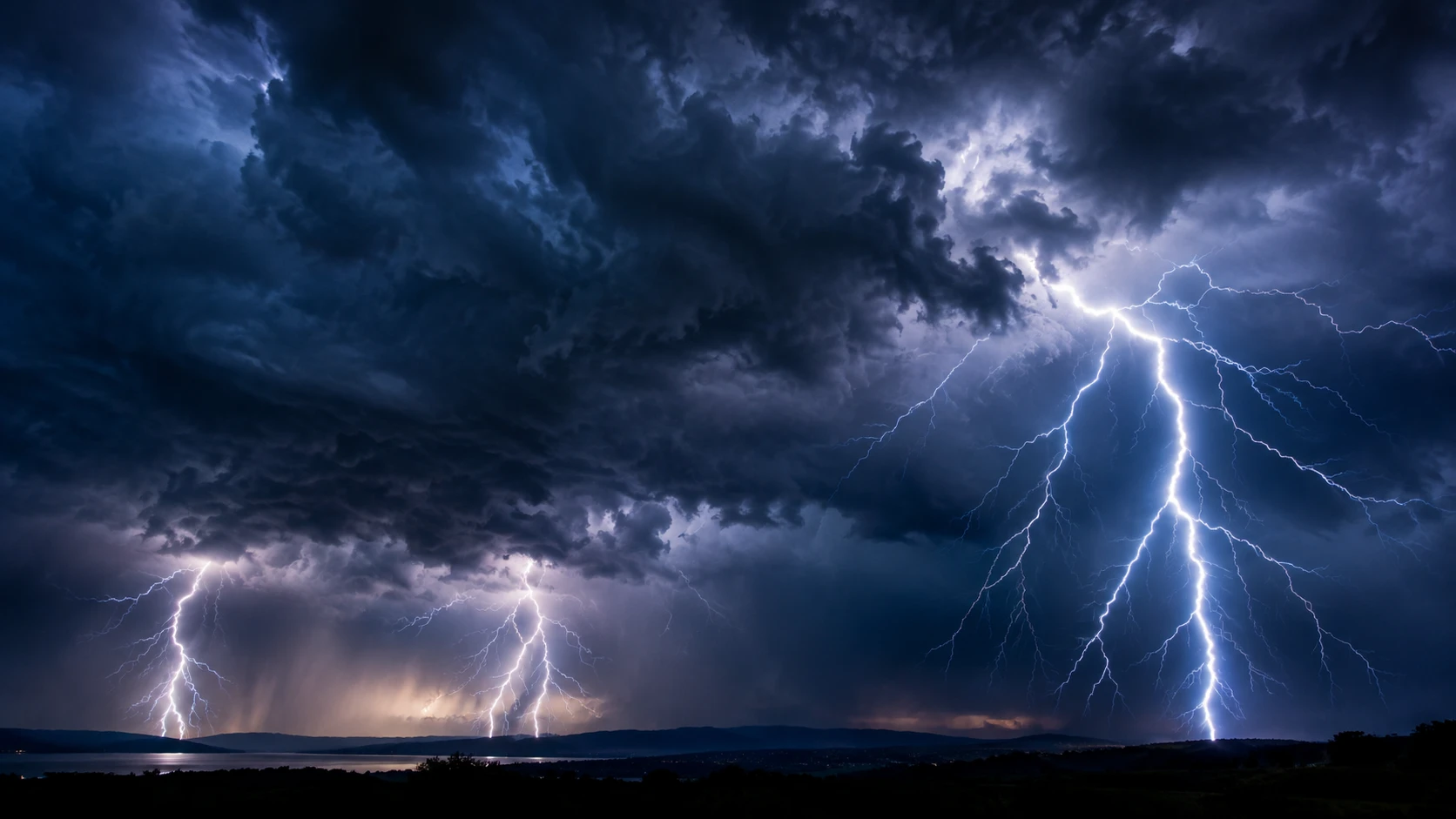
UNAM study explores storm changes in Mexico
In recent years, meteorologists and scientists have noticed shifts in the patterns of thunderstorms across Mexico. These shifts, observed through detailed research by the National Autonomous University of Mexico (UNAM), could indicate various regional changes in climatic conditions. While thunderstorms are common in certain parts of Mexico, the factors influencing their frequency and intensity appear to be evolving differently across the country. Here, we delve into the intricate findings of the UNAM study to better understand the changes in storm behavior and their potential implications for regions affected by these meteorological phenomena.
Are thunderstorms becoming more frequent in Mexico?
UNAM researchers have been tracking variations in thunderstorm activity across Mexico. Their analysis reveals significant increases in storm frequency in specific regions such as the Yucatán Peninsula, parts of central Mexico, including Mexico City, the State of Mexico, Jalisco, Nayarit, and Chiapas. This uptick suggests a shift in atmospheric conditions favoring more thunderstorms. These findings highlight the need to closely monitor these regions, as increased frequency can lead to more frequent disruptions in daily life and impact local economies.
Which regions show a decrease in thunderstorms?
While some areas experience more frequent thunderstorms, other regions have seen a decrease. Morelos, Oaxaca, and Veracruz have noticed a reduction in specific atmospheric variables linked to storm formations. This variability underscores the non-uniform nature of climatic changes across the country. Understanding these regional disparities is essential for creating targeted weather forecasts and preparedness strategies, ensuring that resources are allocated efficiently to areas in need.
What conditions favor thunderstorm formation?
The study by UNAM highlights atmospheric instability as a key factor in thunderstorm development. This instability allows warm air to rise, leading to the formation of large storm clouds. The research indicates that this instability is increasing particularly in central and western regions such as Mexico City, the State of Mexico, Jalisco, and Nayarit. These areas could see more frequent thunderstorms if current patterns persist, requiring improved forecasting and infrastructure resilience.
Do more storms mean more severe weather?
An increase in thunderstorm frequency doesn’t necessarily equate to more severe weather. For storms to transform into severe weather events, other factors like wind shear must come into play. Wind shear involves changes in wind speed and direction at different atmospheric levels. Currently, wind shear appears to be decreasing along the Gulf of Mexico coast and the Yucatán Peninsula, leading to less organized and potentially less severe storms, despite their frequency.
Is climate change causing stronger storms?
The question of whether climate change is making storms stronger remains complex. The UNAM study detected changes in atmospheric conditions but cannot yet conclusively attribute these changes to climate change. Natural climate variability still plays a significant role, and distinguishing it from climate change effects requires longer-term data sets and more extensive analyses. Researchers are cautious, emphasizing patterns without asserting direct climate change causation at this time.
What are the implications of changing storm patterns?
Understanding changing storm patterns has practical applications beyond academic research. Identifying regions with increased storm frequency or potential for severe thunderstorms enables better forecasting and disaster preparedness, benefiting public safety and sectors like aviation and civil protection. As regions with diverse geography confront differing storm behaviors, precision in weather prediction becomes vital in minimizing potential adverse effects.
How can Mexico benefit from improved storm mapping?
Accurate storm mapping can revolutionize weather prediction and disaster readiness in Mexico. By leveraging data on which regions are prone to frequent or severe storms, authorities can enhance prediction systems and readiness plans. This approach supports targeted resource allocation, ensuring those most affected by adverse weather conditions receive timely intervention and support.
What does the future hold for storm research in Mexico?
The future of meteorological studies in Mexico promises further insights as researchers aim to expand their data collection and analysis efforts. UNAM’s ongoing investigation into atmospheric patterns offers a pathway to improved understanding and proactive measures against potential climate-related impacts. As research continues, breakthroughs could inform policy and safeguard communities across Mexico against evolving weather threats.
In conclusion, while the study conducted by UNAM sheds light on changing storm patterns across Mexico, it underscores the complexity and variability inherent in meteorological phenomena. Understanding these changes is crucial to enhancing climate resilience strategies. Future research will focus on distinguishing natural climatic variations from those potentially influenced by global warming, providing much-needed clarity for Mexican communities in the face of evolving environmental challenges.


