
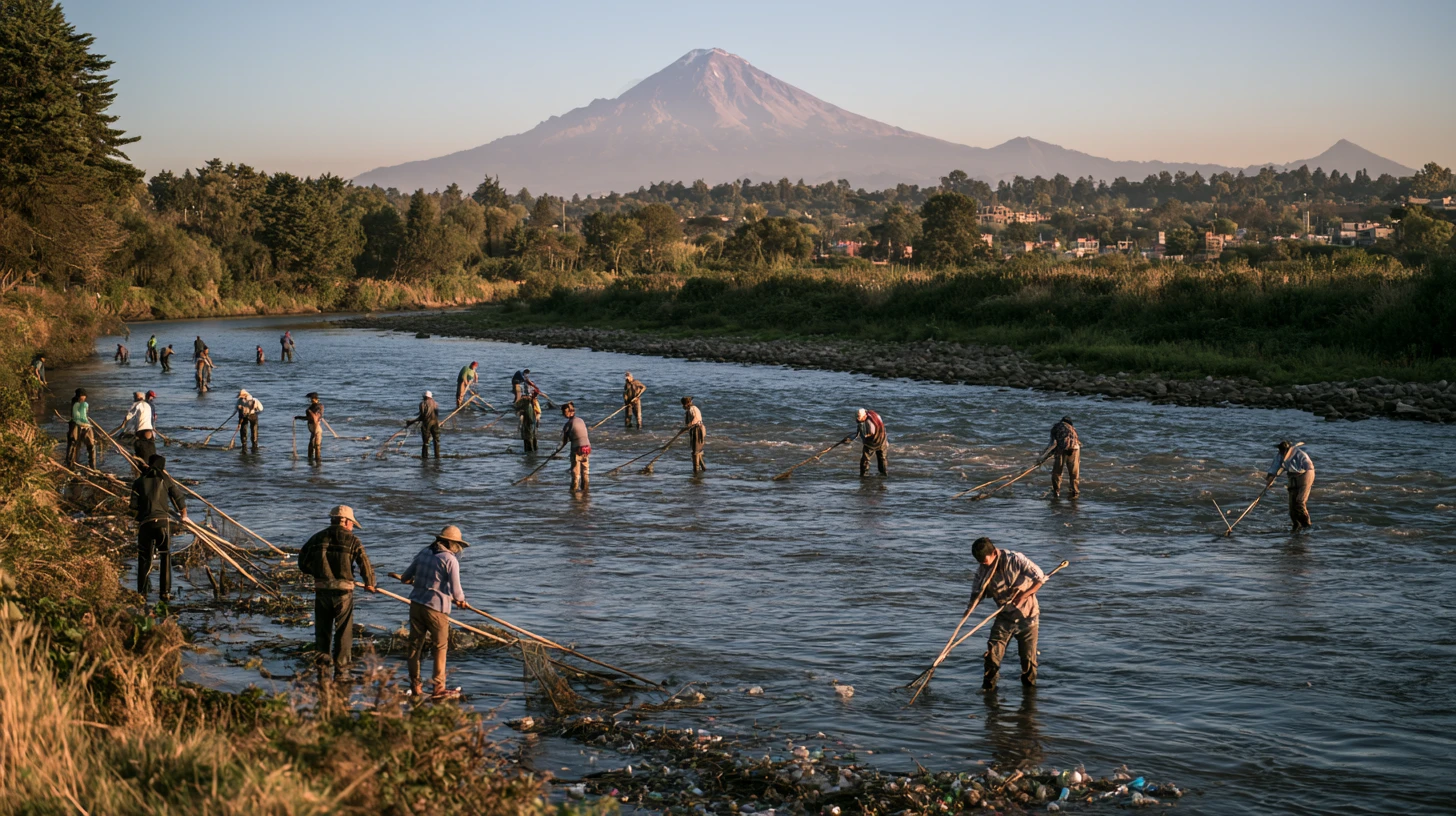
Mexico launches major river cleanup effort
Mexico announced a groundbreaking effort to clean up the Atoyac, Lerma Santiago, and Tula rivers, which have long suffered from pollution due to industrial discharges and urban waste. This initiative aims to benefit over 25 million people across ten states. The government plans to invest nearly 20 billion pesos in this extensive project, which highlights a significant shift in managing water resources sustainably. Let’s explore the key elements and implications of this ambitious undertaking.
How will the river cleanup benefit the population?
This project is expected to benefit 25 million people living across ten states and 61 municipalities. By undertaking this cleanup, Mexico aims to improve water quality, which in turn should enhance the health conditions and overall quality of life for those living near these rivers. Clean water contributes to reducing disease risks, thus lowering healthcare costs and boosting productivity in affected areas.
What is the financial commitment to the project?
Mexico has earmarked approximately 20 billion pesos for the cleanup of the Atoyac, Lerma Santiago, and Tula rivers. This substantial investment underscores the government’s commitment to tackling one of the country’s most pressing environmental challenges. The funds will be directed towards building new water treatment facilities, engaging in ecological restoration, and implementing comprehensive water management strategies.
Why were these rivers chosen for the cleanup?
The Atoyac, Lerma Santiago, and Tula rivers have been particularly afflicted by decades of pollution from industrial and urban sources. These rivers have become critical environmental challenges that significantly impact ecosystems and human health. By targeting these rivers, the government aims to address systemic pollution issues and set a precedent for future water conservation efforts in other regions.
What does the initiative include?
The cleanup initiative will establish several key components such as new water treatment plants, ecological restoration projects, and an integrated water management system. These measures are designed not only to rectify the existing pollution but also to ensure the long-term preservation of river ecosystems. By implementing a sustainable framework, Mexico hopes to prevent future degradation and promote a healthier environment.
How long will the cleanup process take?
While specific timelines have not been detailed, the project’s scope suggests a long-term approach. Establishing new infrastructure and restoring ecosystems is a complex task that requires careful planning and execution. The government aims for a cleanup effort that delivers enduring results, ensuring these river systems remain viable resources for future generations while continually supporting regional development.
What are the expected environmental impacts?
The environmental benefits of this cleanup are anticipated to be substantial. Improved water quality will lead to healthier ecosystems, supporting biodiversity along the riverbanks. Restored natural habitats can stabilize local climates, prevent soil erosion, and boost agricultural productivity. These changes will likely have a ripple effect, further igniting interest in preserving natural resources throughout Mexico.
How will the project affect local communities?
Local communities are expected to witness multiple positive outcomes from this initiative. Access to cleaner water can enhance living standards and provide new economic opportunities, such as eco-tourism and sustainable agriculture. Additionally, this project emphasizes community involvement, potentially leading to heightened environmental awareness and stewardship at the grassroots level.
What challenges might the project encounter?
The project may face challenges in terms of coordination among various state and municipal governments. Ensuring the cooperation of industries to reduce pollutants further requires stringent regulations and oversight. Additionally, securing ongoing funding beyond the initial investment will be crucial to maintain momentum and ensure sustainable outcomes. Addressing these challenges head-on will be vital for the project’s success.
In conclusion, Mexico’s initiative to clean the Atoyac, Lerma Santiago, and Tula rivers represents a significant step in addressing long-standing environmental challenges. By focusing on sustainable water management, the project stands to benefit millions of people, revitalizing ecosystems, and supporting economic development. Continued investment and community engagement will be key to realizing these ambitious goals, ensuring that Mexico’s waterways remain clean and healthy for generations to come.


