
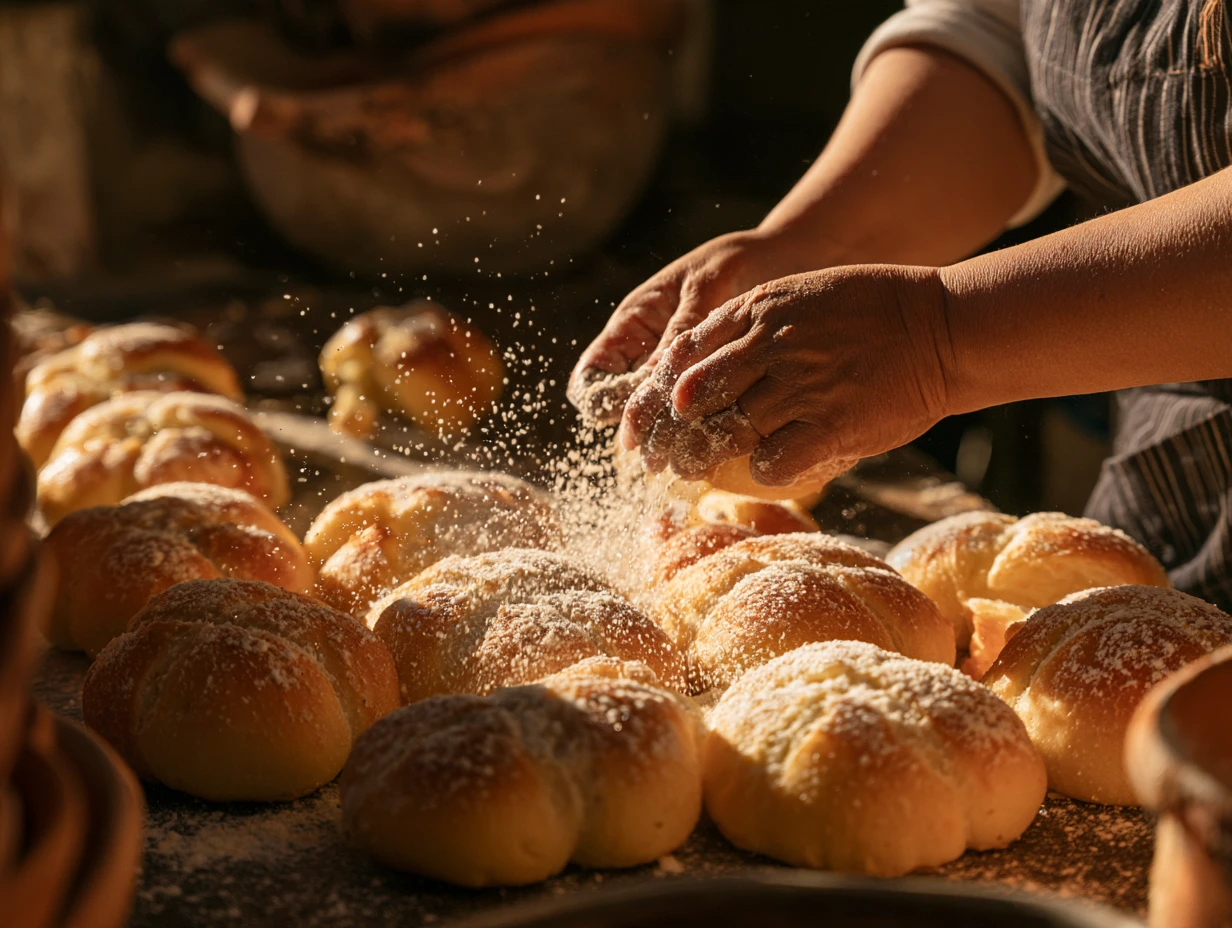
Workshops to make pan de muerto in CDMX
As autumn arrives in Mexico City, a unique opportunity presents itself for those interested in culinary traditions. Pan de muerto, a staple of Día de Muertos celebrations, becomes the focus of several workshops throughout October and November 2026. The essence of this bread lies in its delicate aroma and soft texture, making it a favorite during the holiday season. Offering both beginners and seasoned bakers the chance to try their hand at this traditional craft, these workshops also provide cultural insights into the symbolism and customs associated with this beloved bread. Here’s a closer look at the workshops available in CDMX.
What is pan de muerto and why is it significant?
Pan de muerto, or bread of the dead, is more than just a delicious treat; it is a symbol of the Día de Muertos festivities in Mexico. This bread is traditionally placed on altars to honor deceased loved ones. Made with ingredients like flour, eggs, butter, and orange zest, the bread’s design often includes bone-like decorations, representing the deceased. Its significance lies not only in its flavor but in the memories and cultural practices it evokes. According to recent data, over 70% of Mexicans include pan de muerto in their Día de Muertos celebrations.
What workshops are available for children?
Consuelo Pan de Madre offers workshops specifically for children aged 3 to 10. These workshops are designed to provide a hands-on experience in shaping and decorating pan de muerto. Scheduled for October 24th and 25th, 2026, each session lasts an hour and costs 400 pesos per child. Held at locations in Polanco and Roma Norte, these sessions encourage young participants to explore and engage with Mexican culinary traditions creatively, under the guidance of skilled specialists. Such workshops are popular, often seeing full bookings, so early reservation is recommended.
What options exist for adults?
Adults looking to perfect their baking skills can attend workshops also offered by Consuelo Pan de Madre at the Roma Norte venue on Thursdays at 7 PM. The cost is 850 pesos, which includes a complimentary beverage. These sessions focus on more advanced techniques and offer participants the opportunity to learn in a relaxed yet educational environment. It’s an ideal setting for those wanting to delve deeper into the creation of pan de muerto, guided by experienced bakers.
What does the Claustro de Sor Juana offer?
The Claustro de Sor Juana provides a more technical learning experience with a workshop led by Chef Josué Ronquillo on October 30th, 2026. At a cost of 2,350 pesos, participants engage in an in-depth four-hour session exploring the traditional methods of making pan de muerto. This workshop includes a review of the essential ingredients and the symbolic significance of the bread’s design. Located in the Centro Histórico, it enhances participants’ technical skills and offers a comprehensive understanding of this cherished tradition.
What experience waits at the Museo Frida Kahlo?
The Museo Frida Kahlo combines art and baking in a dual experience. On select dates – October 24th, 25th, 31st, and November 1st, 2026 – attendees can tour the museum’s ofrenda (offering) and take part in a bread-making workshop. Included in the 4-hour schedule, from 11 AM to 3 PM, is preparation instruction, taste testing with coffee, and a chance to create four loaves. This combines cultural exposure with hands-on practice, set against the backdrop of one of Mexico’s most iconic museums, and is priced at a rate to be confirmed.
How can attendees confirm availability and pricing?
Details for all workshops are subject to change, and it’s advised that interested participants verify availability and pricing through the respective organizers. With the growing interest in cultural culinary arts, spots in these workshops might fill up quickly. Checking the official social media pages and contacting venues directly can ensure up-to-date information regarding bookings and attendance limits, ensuring an enriching experience when learning this traditional Mexican craft.
Why learn to make pan de muerto?
Participating in these workshops allows individuals to embrace a more personal connection to Mexican traditions. The process of making pan de muerto goes beyond baking; it involves understanding the cultural heritage and stories behind the ingredients and methods. Typically, these workshops not only focus on skills but also on the sharing of stories, bringing communities together. This annual tradition represents a bridge between the living and the departed, celebrated by preparing a dish that speaks to the heart of Mexican identity.
What to expect after completing a workshop?
Upon completion, participants take home not just the pan de muerto they have created, but a newfound appreciation for Mexican traditions. Combining skill-building with cultural stories, these workshops offer a fulfilling experience. They are an opportunity to engage with a community passionate about maintaining and sharing their heritage. Whether for children or adults, these workshops promise a delightful experience and the joy of indulging in a piece of Mexico’s festive culinary heritage.
In conclusion, the array of pan de muerto workshops across Mexico City offers diverse opportunities for learning and cultural immersion. Participants, whether young or mature, can delight in crafting a significant piece of Mexican culinary tradition. The workshops underscore the blending of hands-on cooking with cultural appreciation, enriching the understanding of Día de Muertos for locals and visitors alike. Embrace the season’s warmth and tradition by enrolling in one such workshop, and bring a piece of Mexico’s cherished heritage into your home.


