
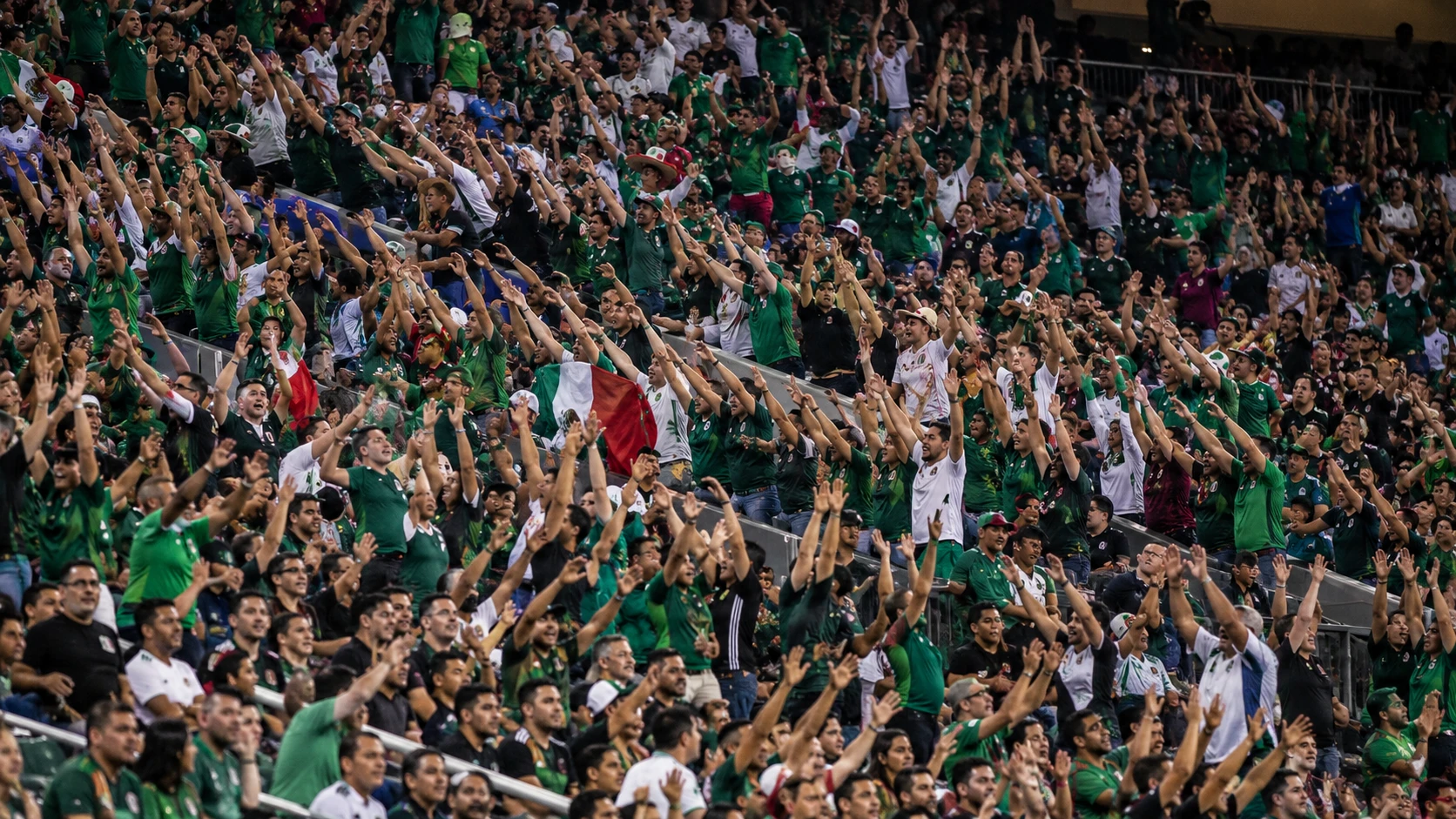
The origins and global spread of ‘the wave’
The iconic “wave” seen in stadiums around the world is a fascinating phenomenon with a history as dynamic as its motion. Often dubbed the “Mexican wave,” this crowd-synchronized movement transcends cultural boundaries, inviting questions about its origins. Although it became famous during the 1986 FIFA World Cup in Mexico, its roots trace back to other parts of North America. Understanding its history enriches our appreciation of this unique expression of fan unity.
Who invented the wave?
Many believe that the wave originated in Mexico, but it first appeared in North America. The idea took shape in 1980 during a hockey game in Canada. Krazy George, a professional cheerleader, noticed a delay in compliance that looked like a wave. This accidental discovery inspired the official cheer for hockey games in the National League. Furthermore, the United States claims it began in 1981. Although lacking clarity about the initiator, the wave appeared during a Major League Baseball game in California with the New York Yankees in attendance.
Why is it called the ‘Mexican wave’?
The wave acquired the name “Mexican wave” due to its prominent display during the 1986 FIFA World Cup. Hosted in Mexico, the event propelled the wave into international fame. It was at the Estadio Universitario UANL in Monterrey where it gained popularity. The World Cup allowed millions to witness this exuberant act, linking it permanently to Mexican sports culture, leading to its global recognition as the “Mexican wave.”
How did the 1986 World Cup popularize the wave?
The 1986 FIFA World Cup acted as a global platform for the wave. Broadcasted worldwide, games in Mexico introduced the wave to a vast audience. Its success in uniting fans through a shared gesture resonated across borders. This exposure solidified the wave’s status, transforming it from a localized act to a universal symbol of sports enthusiasm that continues to thrive in stadiums worldwide.
What impact did the Olympics have on the wave?
The 2000 Sydney Olympics marked a significant milestone for the wave. It witnessed record participation, with the crowd performing the wave for several minutes. This immense participation showcased its universal appeal. The Olympics underscored the wave’s status as a joyous celebration, captivating fans regardless of the sport. This further entrenched its presence in the collective sporting culture across the globe.
Why does the wave persist in sports culture?
The wave endures in sports culture due to its inclusive and celebratory nature. It demands minimal coordination, encouraging fans to participate regardless of skill. Whether executed perfectly or not, its essence lies in mutual enjoyment and connection. This shared experience of participation is what keeps it alive, fostering a sense of camaraderie among strangers united by sport, thus ensuring its role in sports rituals continues.
Where did the largest recorded wave take place?
The largest recorded wave took place at the 2000 Sydney Olympics. It featured an audience of thousands participating in a synchronized display that lasted for minutes. This event highlighted the collective spirit of sports fans, demonstrating how the wave can unify masses in a shared, jubilant expression. Its scale underscored its impact on global sporting events, establishing it as a mainstay in sports entertainment.
Is there a correct way to perform the wave?
Performing the wave is less about precision and more about participation. The essence of the wave lies in its spontaneity and inclusivity. Whether you stand up too early or too late, it matters little in the grand scheme. The collective motion symbolizes unity and celebration. As such, the wave invites everyone to join, ensuring enjoyment is its primary objective rather than flawless execution.
How is the wave a symbol of celebration?
The wave serves as a symbol of celebration by encapsulating the joy and communal spirit present in sports. It transcends cultural and linguistic barriers, allowing people to connect through a shared act of expression. This act of unity becomes a metaphor for the larger, borderless world of sports fandom. It represents cooperation and shared enthusiasm within stadiums, making it a powerfully symbolic gesture across various cultures.
In conclusion, the wave’s journey from a coincidental start in North America to its peak during worldwide events illustrates its enduring appeal. While its invention may be debated, its role as a symbol of unity and celebration in sporting arenas is undisputed. The wave continues to inspire joy and camaraderie among fans globally, exemplifying the unifying power of collective participation in the world of sports.


