
Mexico’s earthquake preparedness in focus
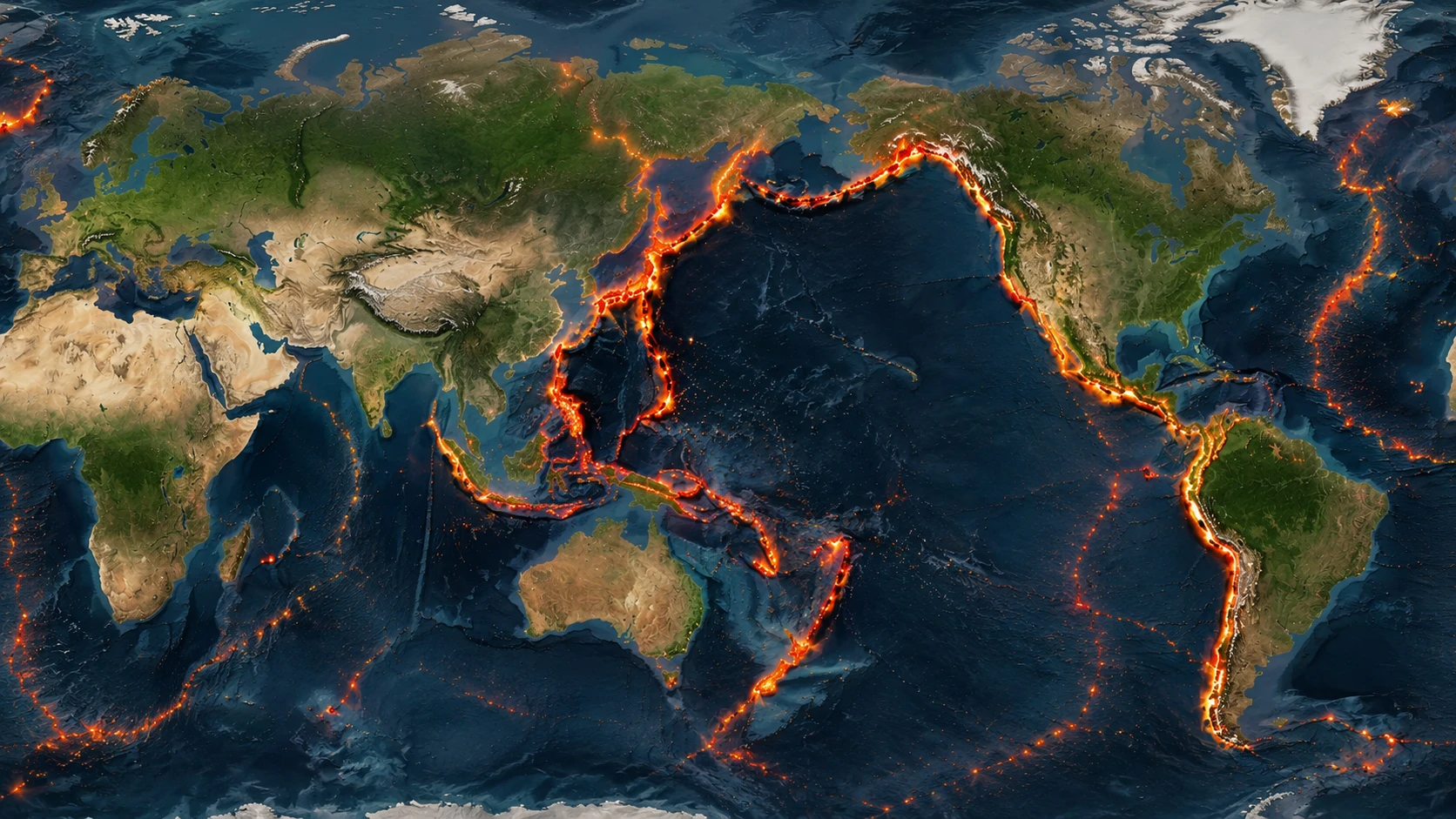
Mexico, as part of the notorious Pacific Ring of Fire, continually faces potential seismic threats. Recently, a magnitude 7.4 earthquake in Colombia reignited concerns about whether Mexico might experience a similar event. The Ring of Fire is a tectonically active area that accounts for over 90% of the world’s earthquakes. Mexico’s position in this geologically dynamic region means it’s essential to assess the country’s earthquake risks and preparedness strategies.
Is Mexico at risk of a major earthquake?
Yes, Mexico is indeed at risk for major earthquakes. Experts assert that the country’s location along the Pacific Ring of Fire explains the frequent seismic activity. Especially vulnerable are the states along the Pacific coast, such as Guerrero, Oaxaca, and Chiapas, where tectonic plates like Cocos, North America, and Rivera interact. These interactions set the stage for potentially devastating earthquakes. Historical events, such as the massive earthquakes in 1985 and 2017, highlight the considerable seismic risk inherent to Mexico.
What is the Pacific Ring of Fire?
The Pacific Ring of Fire is a horseshoe-shaped zone encompassing the Pacific Ocean basin, stretching about 40,000 kilometers. It’s notorious for being a hotbed of seismic and volcanic activity worldwide. More than 90% of earthquakes and 75% of active volcanoes are located here. Mexico’s Pacific coastline is integrally connected to this seismic zone, making it a focal point for potential research and preparedness efforts related to earthquake activity.
How do tectonic movements lead to earthquakes?
Earthquakes primarily originate from tectonic movements involving plate subduction, where one tectonic plate slips beneath another. In Mexico, the Cocos Plate subducts beneath the North American Plate, creating immense tension that can result in earthquakes. While these plates move only a few centimeters annually, the accumulated stress over years or centuries can release significant energy, causing powerful seismic activity.
Why did the Colombia earthquake raise concerns in Mexico?
The recent Colombian earthquake, though not located on the main Ring of Fire, occurs in a region dominated by interacting plates, such as the Nazca and South American plates. Colombia experiences about 2,500 seismic events monthly, albeit mostly minor. The similarity in geological conditions between Colombia and Mexico prompted renewed scrutiny of Mexico’s earthquake preparedness, particularly concerning large-magnitude events.
Can we predict when the next major earthquake will hit Mexico?
Current scientific methods do not allow accurate prediction of the exact timing or magnitude of earthquakes. While scientists can identify high-risk areas and analyze historical seismic activity, precise predictions remain out of reach. However, Mexico employs early warning systems that detect earthquake waves after they begin, providing valuable seconds for people to react. Although not predictive, these systems are critical for minimizing risk and impact.
How might the soil affect seismic impact in Mexico City?
Mexico City is notably susceptible to seismic activity because of its unique geological foundation. Much of the city is built on former lakebeds, which can amplify seismic waves. This amplification means earthquakes, even distant ones, can be strongly felt in the city. Understanding the geological conditions helps in planning and constructing infrastructure that can better withstand seismic forces, emphasizing the importance of soil studies in seismic preparedness.
What are the key preparedness measures for earthquakes in Mexico?
Preparedness for earthquakes involves multiple strategies, including public education, robust building codes, and emergency planning. Mexico promotes educational campaigns about seismic risks, encourages the construction of earthquake-resilient buildings, and maintains emergency response protocols. Individuals are advised to prepare emergency kits, identify safe areas within buildings, and have evacuation plans. These measures are critical for reducing potential earthquake impacts.
Why is there no need to panic about earthquakes in Mexico?
While living in an earthquake-prone region carries inherent risks, it is not a cause for constant fear. Instead, focusing on preparedness and proactive measures significantly enhances safety and readiness in the event of an earthquake. Societal resilience comes from informed communities and effective public policies that prioritize earthquake readiness, illustrating that while earthquakes cannot be prevented, their effects can be mitigated with the right preparation.
In conclusion, Mexico’s position within the Pacific Ring of Fire highlights the country’s significant earthquake risk. Understanding the science of tectonic movements, the role of geological features like soil in shaping earthquake impact, and the importance of a well-rounded preparedness strategy are vital. While predictions remain elusive, Mexico’s proactive measures, including education, infrastructure, and alert systems, are key to adapting to and mitigating the risks posed by earthquakes.


