
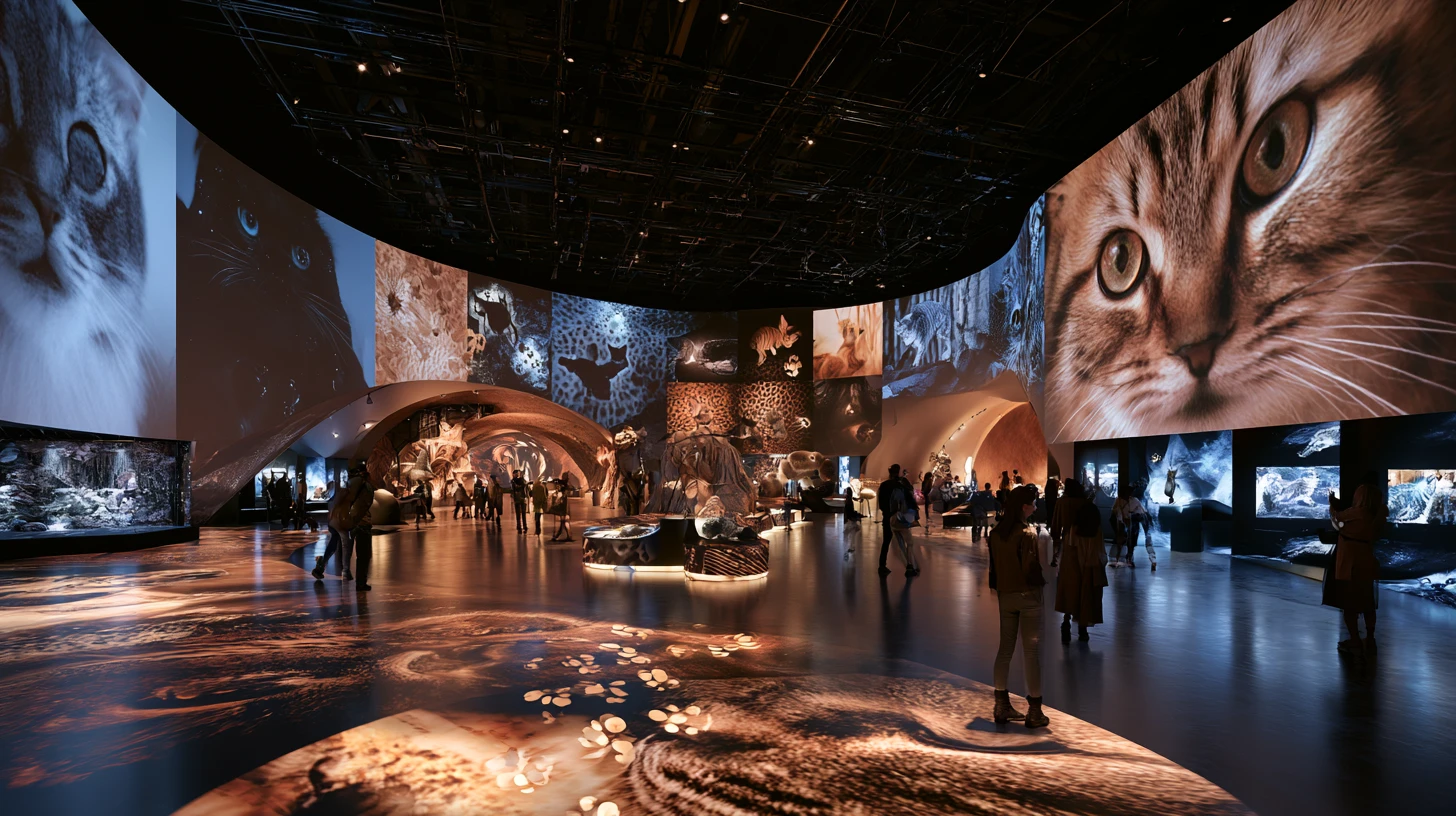
Mexico City’s new immersive cat museum
What is the new attraction in Mexico City?
The newest addition to Mexico City’s cultural landscape is the Cat Museum, an immersive experience celebrating the fascination and love for cats. Differing from traditional museums focused on art or history, this venue highlights the digital and interactive avenues of engaging with cat themes. It opens new possibilities for visitors, allowing them to delve into the world of cats through art, technology, and sensory experiences. The museum showcases why these animals capture the public’s imagination.
How does the Cat Museum differ from other museums?
Unlike conventional museums where items are displayed behind glass, the Cat Museum encourages interaction. It offers a variety of immersive environments and digital exhibits. According to recent visitor trends, participants now seek more engaging and interactive experiences. With installations providing insights into how cats perceive their surroundings, this establishment aligns with modern expectations. This change reflects a broader movement in which museums strive to transcend passive observation, turning visits into participatory events.
What can visitors expect?
Visitors can anticipate various interactive installations that make learning both entertaining and informative. The exhibits are designed to engage all senses, combining visuals, sounds, and tactile components. These elements allow participants to experience how cats might view the world. Featuring digital art and photography, the museum fosters a unique exploration of feline-themed entertainments. The immersive nature not only captivates cat enthusiasts but also attracts those curious about different kinds of museums.
What makes this museum unique?
The Cat Museum’s uniqueness lies in its blend of technology, art, and sensory engagement. This combination is growing more popular in contemporary museums globally. The space is crafted to involve visitors actively, rather than having them remain as passive observers. As more museums adopt these innovative approaches, this feline-centric venue stands out by offering a customizable experience, appealing to various interests.
Why is Mexico City embracing this trend?
Mexico City’s introduction of the Cat Museum is part of a larger trend, where cultural institutions are progressively adopting interactive models. Currently, audiences show a growing preference for interactive participation, driving museums to rethink traditional formats. By offering such novel experiences, Mexico City strengthens its stature as a hub of innovative cultural attractions, demonstrating adaptability in appealing to contemporary demands for engaging, hands-on experiences.
Who is the Cat Museum for?
The museum caters to a diverse audience, appealing to both cat lovers and those who enjoy innovative, interactive venues. Enthusiasts who have a passion for felines will appreciate the attention to detail in portraying cat lifestyles. Meanwhile, individuals who value new experiences will find the mix of technology and storytelling engaging. It provides enjoyable learning environments for families, individuals, and tourists alike.
When did Mexico City start this trend?
Over the past several years, Mexico City has embraced innovative museum formats, notably diverging from traditional exhibition practices. This initiative reflects a shift, began around the early 2010s, towards engaging, interactive experiences. Adoption of these models allows venues to offer more personalized visits, meeting diverse interests. This has led to increased visitor numbers and positioned Mexico City as a pioneer in cultural innovation.
What impact does the Cat Museum have on tourism?
The Cat Museum promises to enhance Mexico City’s appeal as a travel destination, by diversifying its cultural offerings. Such novel attractions draw international visitors intrigued by its uniqueness. By adding an immersive venue to the city’s tourism portfolio, it fosters a dynamic environment where tradition meets modernity. The museum’s interactive nature is expected to increase repeat visits, strengthening the local tourism economy and further elevating Mexico City’s status as a cultural epicenter.
Conclusion
The introduction of the Cat Museum reflects Mexico City’s commitment to innovation in cultural experiences. This immersive space offers both art and interaction, addressing a growing need for participatory engagement in the tourism and cultural sectors. As cities worldwide evolve with new museum formats, Mexico City’s initiative ensures its place at the forefront of cultural exploration. The Cat Museum stands poised to become a favorite among locals and visitors alike, contributing to the city’s rich tapestry of cultural attractions.


