
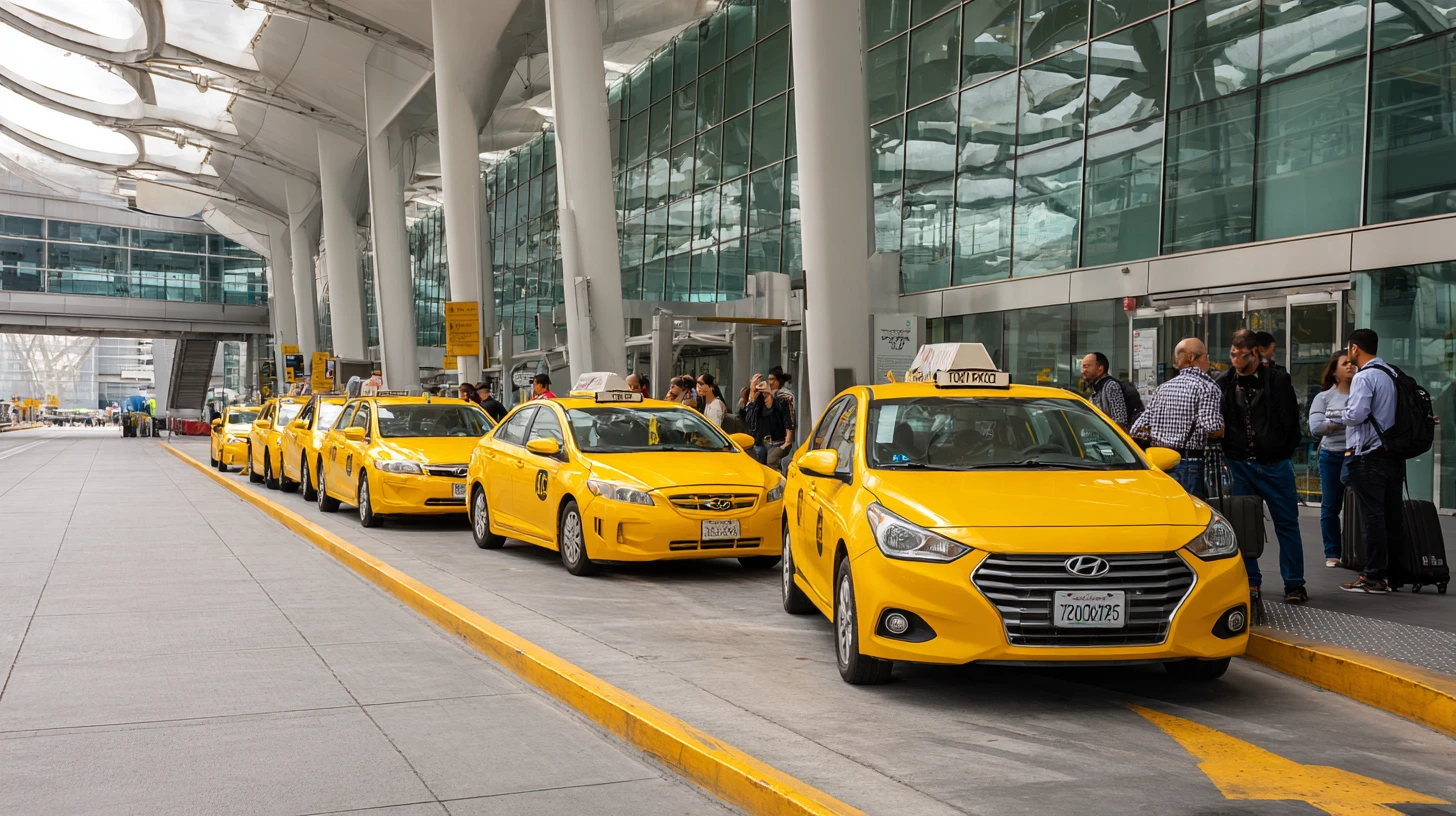
Mexico aims to lower airport taxi fares nationwide
The Mexican government is taking steps to alleviate the financial burden faced by travelers using airport taxis. With prices often exceeding reasonable amounts, especially in cities like Guadalajara and Monterrey, the administration aims to make changes that will lead to more affordable travel options. Discussions are currently underway involving the Secretariat of Infrastructure, Communications, and Transport (SICT) and airport taxi operators, looking to offer solutions that make airport transit more economical without compromising service quality.
Why are airport taxi fares high in Mexico?
High airport taxi fares in Mexico have been a point of contention for many years. These elevated costs can often be attributed to the specific operational structures and fees associated with airport-specific services. For example, taxis operating in airport zones pay higher fees for permits, resulting in increased charges for their services. A case that highlights the issue occurred in Cancún, where a Canadian tourist was reportedly charged $1,000 for a short taxi ride, capturing public attention. While not indicative of official pricing, such instances illustrate the need for regulatory review and possible intervention to protect travelers.
What are the current efforts to reduce these fares?
Efforts to reduce airport taxi fares involve ongoing negotiations between the SICT and both federal and state-level transport operators. The goal is to establish agreements that could lead to lower costs for passengers. Claudia Sheinbaum, Mexico’s President, discussed these plans on November 11, 2026. Tania Carro Toledo, Undersecretary of Transportation, is playing an active role in dialogues to craft fair pricing policies. While specifics of these agreements, such as percentage reductions or fixed tariffs, have not been finalized, the recognition of the issue has initiated a crucial conversation.
What challenges do federal and state taxi permits present?
Airport taxis in Mexico operate under two types of permits: federal and state. This bifurcation complicates the regulatory environment. Federally permitted taxis follow national guidelines, while state-permitted taxis are under local jurisdiction. This dual system often leads to inconsistent enforcement and price setting, further exacerbating passenger confusion and dissatisfaction. The SICT aims to streamline these discrepancies by working with both federal authorities and local governments to ensure coherent and fair pricing structures.
Are there any precedents of fare reductions?
Efforts similar to current discussions were made in June 2026 at Mexico City International Airport. Authorities reduced operational costs for taxi operators, including fees related to permits and space use, resulting in fare discounts ranging from 5% to 50%. While this was a positive step, the main focus remains on achieving substantial and consistent fare reductions that reflect in the passengers’ end costs. The current negotiations could further this initiative nationwide, potentially setting a precedent for sustainable fare structures at all major airports.
Will digital app-based taxis be affected?
The role of digital app-based taxi services, such as Uber, in this reform poses additional questions. Currently, these services face restrictive regulations when operating in airport zones. Travelers often prefer these platforms for their cost transparency and competitive pricing. The reduction efforts for traditional taxi services could potentially involve revisiting regulations for app-based services to ensure that all options for airport transportation are equally viable and competitive, improving traveler choice and satisfaction.
How will these changes impact travelers and tourism?
Reducing taxi fares directly impacts the affordability and attractiveness of Mexican destinations, especially as the year-end holiday season approaches. Affordable and reliable transportation is essential for tourists’ first impression of the country. Enhancing the airport transportation experience can significantly boost Mexico’s reputation as a tourist-friendly destination. These efforts align with broader goals to enhance comfort and convenience for visitors and citizens alike.
What are the expectations from this initiative?
While exact figures are not yet released, expectations from this initiative include reduced financial strain on passengers and increased transparency in pricing. The Mexican government’s focus is not only on reducing costs but also on improving regulation enforcement, fighting illegal operations, and ensuring safety and reliability. Clear guidelines and pricing transparency are key to preventing abuse and ensuring a fair experience.
Conclusion on Mexico’s airport taxi fare changes
The Mexican government’s initiative signifies a critical step towards improving airport transportation affordability. As negotiations continue, the final outcomes remain to be seen; however, the importance of addressing and reforming this aspect of travel is undeniable. With increasing global travel to Mexico, these measures could strengthen the country’s tourism appeal and provide a better overall experience for millions of visitors. It remains imperative for these dialogues to lead to tangible changes in fare pricing and operational fairness, setting a benchmark for both national and international travel standards.


