
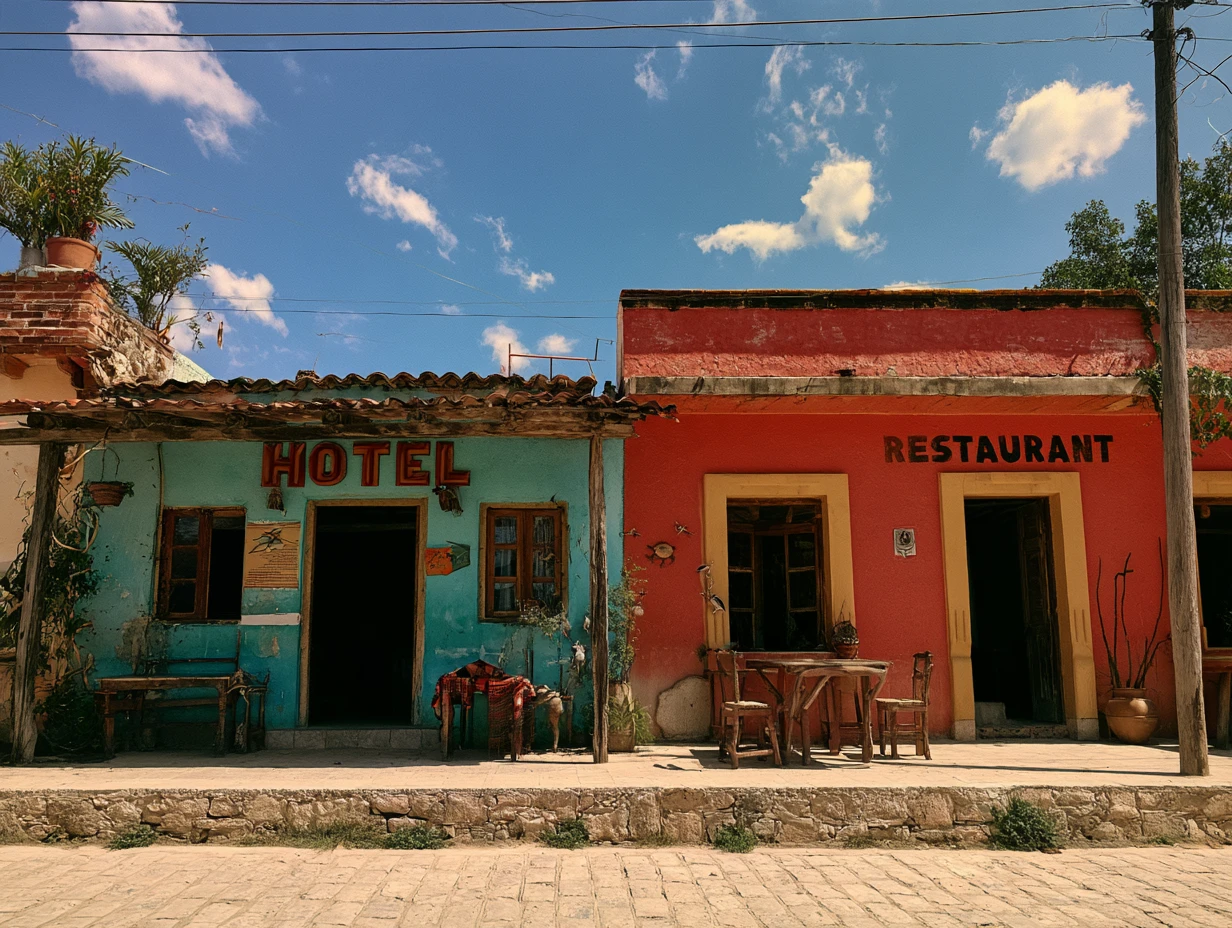
Mexican tourism hits historic employment peak
In an unprecedented development, Mexico’s tourism sector has reached a historic peak in employment. During the second quarter of 2026, the sector employed over 5 million individuals. This remarkable figure underscores the profound impact of tourism on Mexico’s economy. Tourism has become a critical employment engine, reflecting its role across diverse activities, including travel, hospitality, gastronomy, and related services. This boost places tourism as a substantial contributor to the nation’s workforce, involving approximately one in every ten workers in Mexico.
What is the current employment level in the Mexican tourism sector?
The Mexican tourism sector employed a remarkable 5 million 67 thousand people during the second quarter of 2026. This employment level marks a historic high for the industry, indicating a period of substantial growth. The rise from earlier quarters demonstrates the tourism sector’s resilience and continued expansion within the national economy. The number of individuals working in tourism-related activities, such as hospitality and travel services, now accounts for 9.3% of Mexico’s total employment, showing its significant role in the labor market.
How does current employment compare to previous years?
Compared to the second quarter of 2025, the tourism sector in 2026 has increased by 78,550 employed individuals, representing an annual growth rate of 1.6%. Furthermore, the employment grew by 0.9% from the first quarter to the second quarter of 2026, adding 45,090 more jobs. This upward trend signals a steady rise in tourism-related employment, demonstrating the sector’s recovery and growth after challenges faced in previous years. The figures reflect a continued commitment to expanding opportunities within the industry.
What activities contribute to this employment growth?
The massive employment increase is driven by a combination of activities within the tourism industry. Key contributors include hotels, restaurants, transportation, travel agencies, and recreational services. The wide array of tourism-related businesses provides a multitude of job opportunities across different regions, not just confined to major tourist hotspots. The industry’s expansion into various locales illustrates the widespread economic impact and its vital role in supporting community economies by creating jobs and establishing income sources.
What is the role of women in the tourism workforce?
Women play a pivotal role in the tourism workforce, making up 54% of the employment in this sector during the second quarter of 2026. This significant participation highlights the importance of tourism as a vehicle for female employment and empowerment. The dominance of female workers in roles related to service, hospitality, and management positions emphasizes the sector’s capacity to integrate women into the workforce. It suggests that tourism is an inclusive industry, providing women with opportunities for professional growth and economic independence.
How does tourism affect local economies?
The growth of the tourism sector extends beyond the number of guests and destinations; it propels local economies by engaging various stakeholders. From occupied hotel rooms to cultural excursions, tourism involves numerous players, including small businesses and families. Data from the first quarter of 2026 shows that tourism’s economic chain has lifted approximately 1.09 million people out of poverty between 2018 and 2024. This impact attests to tourism’s ability to drive economic progress within communities by fostering entrepreneurship and sustaining livelihoods.
What are the broader implications of this employment record?
This employment milestone speaks to more than bustling hotels. It reveals a sector that supports millions through diverse roles. Individuals working in tourism—be it in travel, dining, guiding, or facilitating—support the wider economy. The 5 million 67 thousand individuals involved signify the sector’s foundational role in providing employment and economic stability. The record is a testament to tourism’s essential function in national development and its continuing influence on community prosperity.
What future trends can be anticipated in Mexican tourism?
Future trends in Mexican tourism are promising, with continued growth expected in employment and sectoral contributions to GDP. Innovations in sustainable tourism, plus investments in infrastructure, like transportation and hospitality, could enhance the industry’s impact. The continued commitment to leveraging tourism for employment highlights Mexico’s potential to attract more international visitors and evolve as a global travel hub. As the industry adapts to changing traveler preferences and market dynamics, it is well-positioned for sustainable expansion.
How important is tourism to Mexico’s economy overall?
Tourism is a crucial pillar of the Mexican economy, contributing significantly to employment and national revenue. With over 5 million individuals employed, the sector is a linchpin of the employment landscape, equating to 9.3% of the national workforce. Its economic impact resonates throughout communities, fostering development and upward mobility. Tourism acts as both a driver for economic diversity and a catalyst for social equity, providing resources and opportunities across the nation.
In conclusion, the Mexican tourism sector’s unprecedented employment levels symbolize a thriving industry with wide-reaching economic implications. The diverse range of activities within the sector provides substantial job opportunities and supports a significant portion of the population. With women playing a prominent role, tourism not only drives economic growth but also fosters social empowerment. As Mexico continues to develop its tourism infrastructure, the sector is likely to remain a key contributor to the country’s prosperity and resilience.


