
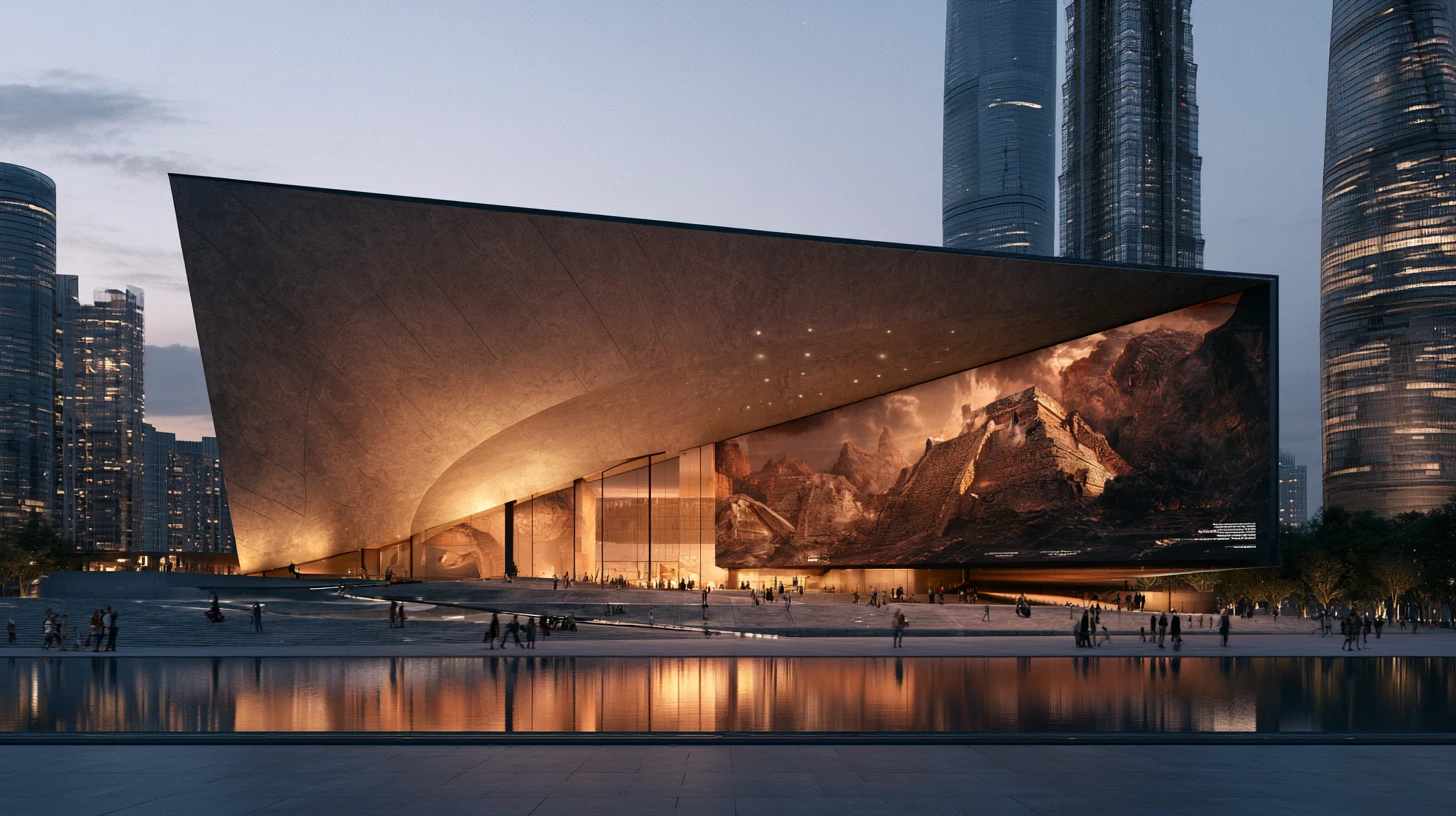
Mexico captivates Chinese and European museums
Mexico’s cultural heritage is making waves across China and Europe, drawing an impressive 3.8 million visitors. This extensive reach highlights the enduring global appeal of Mexican history and antiquities. Initiatives spearheaded by the Secretaría de Cultura and Instituto Nacional de Antropología e Historia are bringing Mexico’s treasures to the world stage, offering new insights into ancient civilizations and their cultural contexts. This international interest not only elevates Mexican artifacts but also opens dialogues between countries, fostering mutual appreciation and understanding.
What sparked the surge in Mexican exhibitions?
The increase in Mexican exhibitions abroad stems primarily from strategic efforts by important cultural organizations. The Secretaría de Cultura and Instituto Nacional de Antropología e Historia have launched their ‘Mexico in the World’ initiative to maximize the international exposure of Mexican cultural artifacts. This strategy brings unique insights into Mexican civilizations by relocating artifacts to prestigious international museums. The effort is bearing fruit, as evidenced by the participation of 3.8 million visitors worldwide, underscoring a growing curiosity about Mexican history and its influence.
How did Spain engage with Mexican heritage?
Spain hosted an exhibition titled “La mitad del mundo. La mujer en el México indígena,” focusing on women’s historical roles in indigenous communities. This exhibition took place in four locations across Madrid from 2025 to 2026, attracting about 375,000 visitors. The display aimed to present an inclusive narrative by featuring diverse voices and stories, moving beyond traditional archaeological figures. The high visitor turnout showcases Spanish society’s strong interest in understanding the multifaceted nature of Mexico’s past and its cultural depth.
What was showcased in Paris?
Paris displayed its fascination with Mexican culture through the exhibition “Mexica. Regalos para los dioses del Templo Mayor” at the Musée du Quai Branly – Jacques Chirac in 2024. With an attendance of 200,000 visitors, the exhibition explored the complexity of Mexica civilization by showcasing ceremonial objects and religious artifacts. This presentation reflects how European audiences are captivated by the rich tapestries of belief systems and artistic expressions that defined the Mexica worldview, enriching their understanding of ancient traditions.
Why is Mexico’s history popular in China?
China proved a significant audience for Mexican cultural displays, hosting numerous exhibitions. Notably, “Jaguar, tótem de Mesoamérica,” toured various cities like Henan, Liaoning, and Chengdu in 2024, drawing 1.2 million visitors. This exhibit used the powerful symbol of the jaguar to bridge cultural gaps, exploring its representation of strength and the sacred within Mesoamerican societies. China’s engagement revealed an unprecedented interest in connecting with distant ancient cultures, fostering a mutual appreciation that transcends geographical distance.
How did the Maya civilization captivate Chinese audiences?
The exhibition “Mayas: ceiba y cosmos” captured the imagination of 1.5 million visitors between 2025 and 2026. Displayed in Beijing and other cities, it illuminated the Maya’s cosmic views and their deep connection with nature, symbolized by the ceiba tree. As these exhibits travelled, they demonstrated the allure of Mayan civilization and its complex understanding of the universe, inviting Chinese attendees to reflect on the interconnectedness of nature, religion, and society within ancient Maya culture.
What was the focus of exhibitions in Beijing?
Beijing hosted “Mesoamerica antigua: naturaleza y arte,” drawing an attendance of 200,000 people in 2026. This exhibition presented a broad perspective on Mesoamerican diversity, featuring artifacts from various cultures like the Olmecs and Teotihuacans. The display broke the conventional focus on a single civilization, embracing a complex mosaic of languages, traditions, and knowledge systems. By showcasing this diversity, the exhibit offered a refreshing insight into the rich tapestry of human interactions that characterized the region.
What distinguishes the Shanghai exhibition?
In Shanghai, “Espacios sagrados. Civilizaciones del México Antiguo” opened in July 2026, already visited by 300,000 attendees. Comprising 804 pieces from major civilizations, including the Olmeca and Maya, notable artifacts like Mictlantecuhtli and K’inich Janaab’ Pakal’s funerary items stood out. The array of items gives a panoramic view of Mexico’s past, illustrating the creative and symbolically complex worlds of ancient Mexican societies, and underlining their sophisticated artistic expressions.
What impact do these exhibitions have on cultural exchange?
Together, these exhibitions attracted approximately 3.8 million visitors, a testament to their global resonance. Beyond numbers, this movement aids in telling Mexico’s rich history through its own storytelling mediums. As cultural artifacts travel, they not only enlighten foreign audiences but also revitalize domestic appreciation of Mexican heritage. Each exhibition acts as a cultural bridge, encouraging reflection and dialogue, providing Mexico with an influential voice in international cultural narratives.
In conclusion, Mexico’s cultural exhibitions depict more than historical artifacts; they embody the stories, philosophies, and creative genius of ancient civilizations. While crossing national borders, they bridge cultural gaps, instill a deeper global understanding of Mexico, and inspire a renewed appreciation of heritage at home. This ongoing journey of 3.8 million visitors marks a significant milestone in cultural diplomacy, enabling Mexico’s heritage to resonate globally, fostering enriched international connections.


