
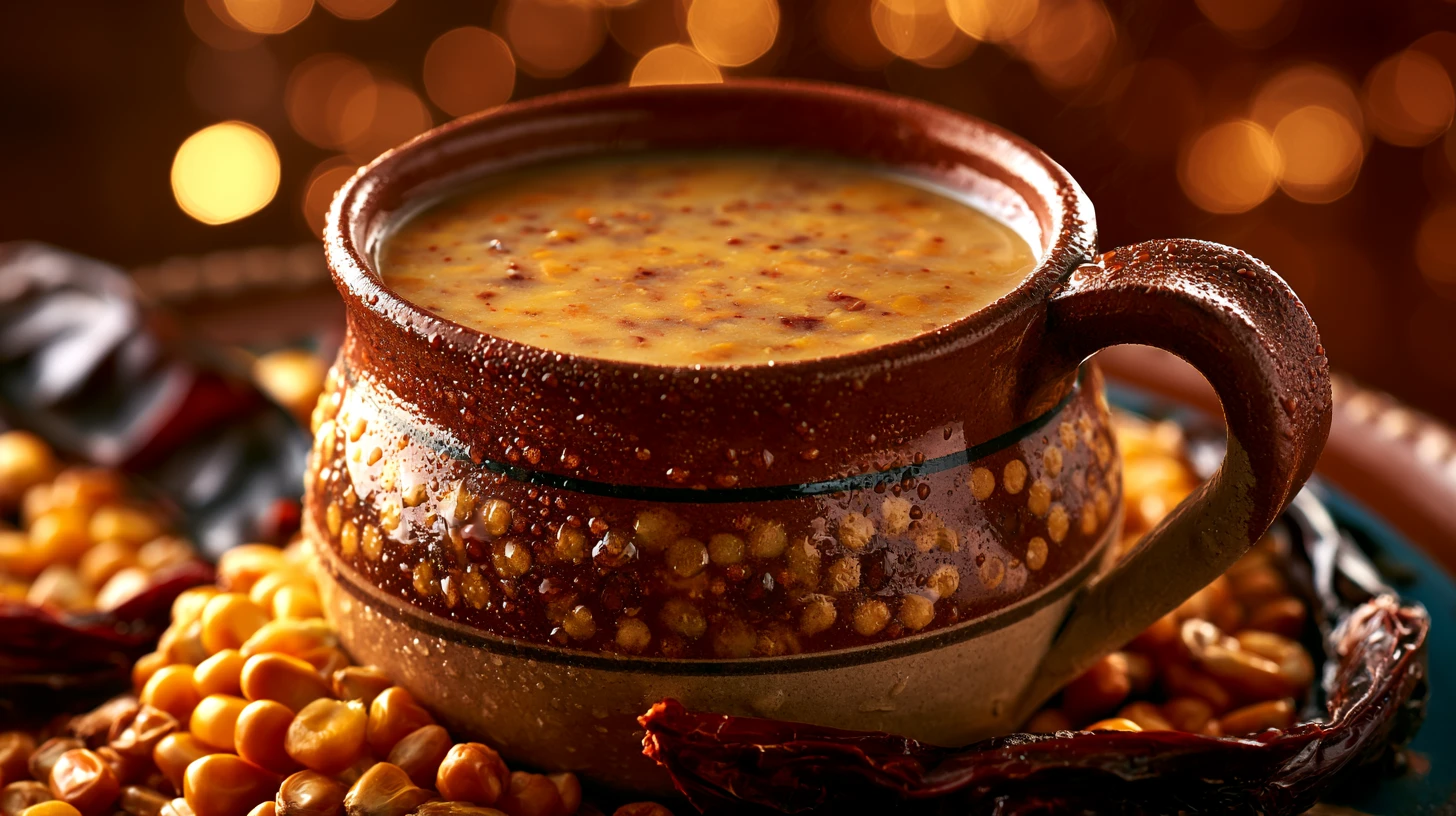
Exploring chone: Oaxaca’s traditional drink
The rich culinary heritage of Oaxaca is renowned for its strong connection to tradition and community. Among its many unique offerings is chone, a traditional beverage that harmonizes two staples of Mexican cuisine: maize and chile guajillo. This drink serves as much more than just refreshment; it embodies a cultural practice passed down through generations. Chone is not widely known outside of certain Oaxacan communities, yet it holds a cherished place in their daily lives, indicative of the area’s diverse gastronomic landscape.
What is the history of chone?
Chone is deeply rooted in the ancient traditions of Mesoamerica, where maize was not only a food staple but a symbol of identity and spiritual sustenance. The creation of chone begins with maize, which undergoes traditional processes to extract its rich, nourishing essence. This is then combined with chile guajillo to produce a warm, comforting beverage. Chone has long been a part of family gatherings, workdays, and community celebrations, serving as a testament to the enduring cultural practices of Oaxaca’s indigenous populations.
How is maize integral to chone?
Maize is fundamental to chone, reflecting its significance in Mesoamerican civilizations. This sacred grain has long played a role beyond nutrition; it is tied to identity and spirituality for millions. The preparation of chone centers around transforming maize through traditional techniques to obtain its nutritive base. This meticulous process ensures that the drink retains its cultural essence, showcasing the deep understanding Oaxacan communities have of this essential ingredient.
What role does chile guajillo play in chone?
Chile guajillo, known for its aromatic profile and moderate heat, is a crucial element in the chone. Unlike more fiery chiles, guajillo adds a subtle complexity without overshadowing the drink’s flavor. In chone, it provides earthy, slightly fruity, and smoky notes, enhancing the taste without overwhelming the palate with heat. This careful balance typifies the traditional Mexican approach to incorporating simple ingredients into richly flavored preparations.
Why does chone still persist in Oaxaca?
Chone remains a part of Oaxacan life due to the resilience of local cultures in preserving ancestral knowledge, despite modern dietary transformations. Each batch of chone involves oral traditions and a deep understanding of the ingredients and timing essential for the desired taste. This drink is a living testament to Oaxaca’s culinary heritage, where preserving traditional recipes continues to hold significant cultural value amidst changing times.
What makes chone unique among Mexican beverages?
Among Mexico’s diverse traditional drinks, many use maize as a key ingredient. Some, like atole, are well-known, while others, such as chone, are localized specialties. It showcases how the country’s culinary richness extends beyond renowned dishes to include lesser-known but equally significant regional recipes. Discovering chone means engaging with a part of Mexican heritage that’s often overshadowed yet rich with cultural significance.
How does chone reflect Mexico’s gastronomic diversity?
Chone embodies the idea that Mexican cuisine’s diversity lies not just in its famous dishes but in its regional specialties too. This drink is a reminder of how central ingredients like maize and chile can be transformed into symbols of identity and community memory. It showcases the creativity and depth of local recipes that contribute to the immense tapestry of Mexican gastronomy.
What can chone teach about cultural preservation?
The continued existence of chone highlights the importance of preserving community knowledge and culinary traditions. As globalization poses challenges to traditional practices, drinks like chone remind us of the enduring value of cultural heritage. By understanding and appreciating such beverages, there is a broader recognition of the need to protect and celebrate Mexico’s rich culinary history.
Why is chone relevant today?
In today’s fast-paced world, chone serves not only as a cultural artifact but as a persistent reminder of the interplay between food and identity. As many traditional recipes face declining relevancy, chone represents resilience and continuity. Its continued presence in Oaxacan kitchens symbolizes how taste and tradition can preserve history, ensuring that some of Mexico’s most precious traditions remain alive.
In conclusion, chone vividly illustrates the rich cultural tapestry of Oaxaca’s culinary heritage. By marrying maize with chile guajillo, the drink encapsulates the profound connection between food, history, and identity. As an enduring symbol of tradition, chone highlights the importance of preserving the diverse and deep-seated roots of an ever-evolving gastronomic landscape.


