
Discovering Mexico’s unique blue mushroom
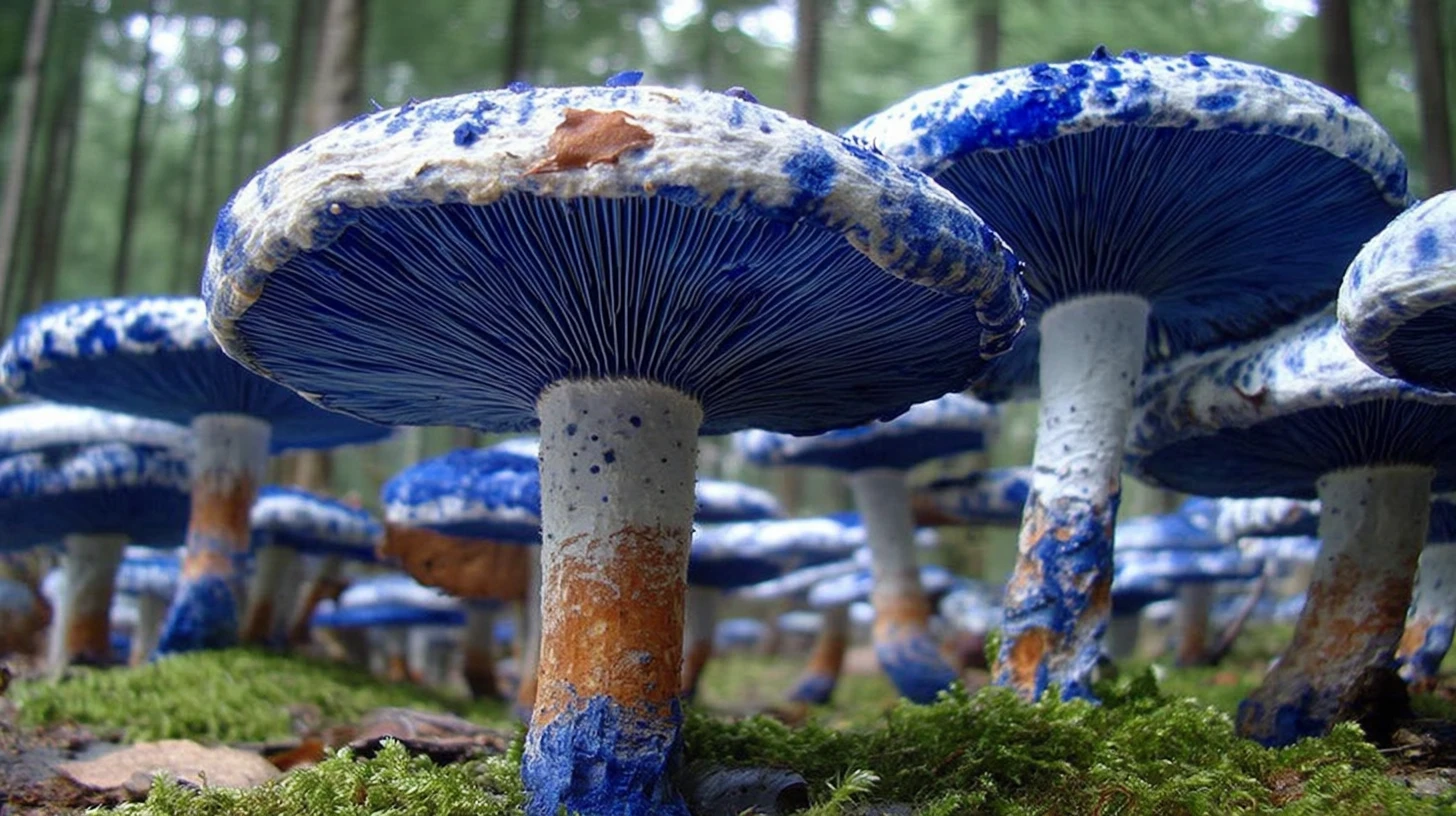
In the lush and humid forests of central and western Mexico, an extraordinary culinary organism known as the blue mushroom emerges during the rainy season. Known scientifically as Lactarius indigo, this mushroom captivates with its rich, natural indigo color. Revered locally by names such as añil, quexque, or oreja de puerco azul, this mushroom is emblematic of Mexico’s diverse fungal landscape. It thrives in the untouched pine-oak forests of regions like the State of Mexico, Michoacán, and Tlaxcala during the months of August to October.
Where does the blue mushroom grow?
The blue mushroom primarily grows in the forested areas of the State of Mexico, Michoacán, and Tlaxcala, among other central-western regions of Mexico. It appears mainly from August to October after continuous rainfall. The humidity and the forest ecosystems are vital for its growth, making it a rare and seasonal culinary ingredient. These regions provide the perfect climate and soil for the Lactarius indigo to thrive, highlighting Mexico as one of the world’s richest areas in terms of wild mushroom diversity.
What makes the blue mushroom unique?
The uniqueness of the blue mushroom lies not only in its rarity but also in its vibrant color and taste. Its indigo shade is rare in the natural food world, where blue foods are uncommon. Measuring up to ten centimeters in diameter, the mushroom can change colors as it ages, shifting from dark blue to grayish or greenish tones. When cut, it releases a blue latex that resembles natural ink, adding to its distinctiveness.
How is the blue mushroom used in cooking?
Traditional cooking methods for the blue mushroom focus on simplicity to preserve its flavor and texture. Common preparations include grilling it over charcoal or sautéing with butter, onion, garlic, and epazote. It is often served in freshly made tortillas with ranch-style cream and spicy salsa. These preparations highlight the mushroom’s delicate and earthy taste, celebrating traditional Mexican culinary practices that rely on minimal ingredients but deliver complex flavors.
What is the cultural significance of the blue mushroom?
Locally, the blue mushroom is more than just an ingredient; it represents the seasonal rhythm and knowledge of the communities that harvest it. With recent interest from chefs and researchers, it symbolizes an appreciation of Mexico’s rich biodiversity that has long been undervalued. Its culinary use speaks to a deep connection with the land and its ecological balance.
What are the ecological implications of the blue mushroom?
The survival of the Lactarius indigo is tightly linked to healthy forest ecosystems. Threats like illegal logging and forest degradation have made this mushroom more scarce, increasing its cultural and gastronomic value. Efforts to conserve these forest habitats are crucial for maintaining the mushroom’s presence and preserving its role in Mexican biodiversity.
Why hasn’t the blue mushroom become a global trend?
Unlike other exotic ingredients that quickly gain global fame, the blue mushroom maintains an aura of mystery and authenticity. It stands apart from artificially luxurious or social media-driven food trends. Its rarity is rooted in its territory, rain cycles, and the expertise of local harvesters, making it a humble yet profound ingredient tied to its environment and cultural heritage.
How does the blue mushroom reflect Mexican culinary secrets?
In an era of processed and standardized flavors, the blue mushroom serves as a reminder of the vibrant and untapped secrets within Mexican cuisine. It embodies a unique culinary narrative that thrives in Mexico’s forests and reflects a rich tradition that remains largely unexplored by the world.
Conclusion: The future of the blue mushroom
The blue mushroom’s rarity, ecological importance, and culinary potential position it as a unique gem in Mexico’s gastronomic landscape. Its story encourages greater awareness and preservation efforts for the environments it thrives in. As interest grows, it represents an opportunity to reconnect with natural culinary practices and promote sustainable harvesting that honors the longstanding traditions and ecological significance of this extraordinary fungus.


