
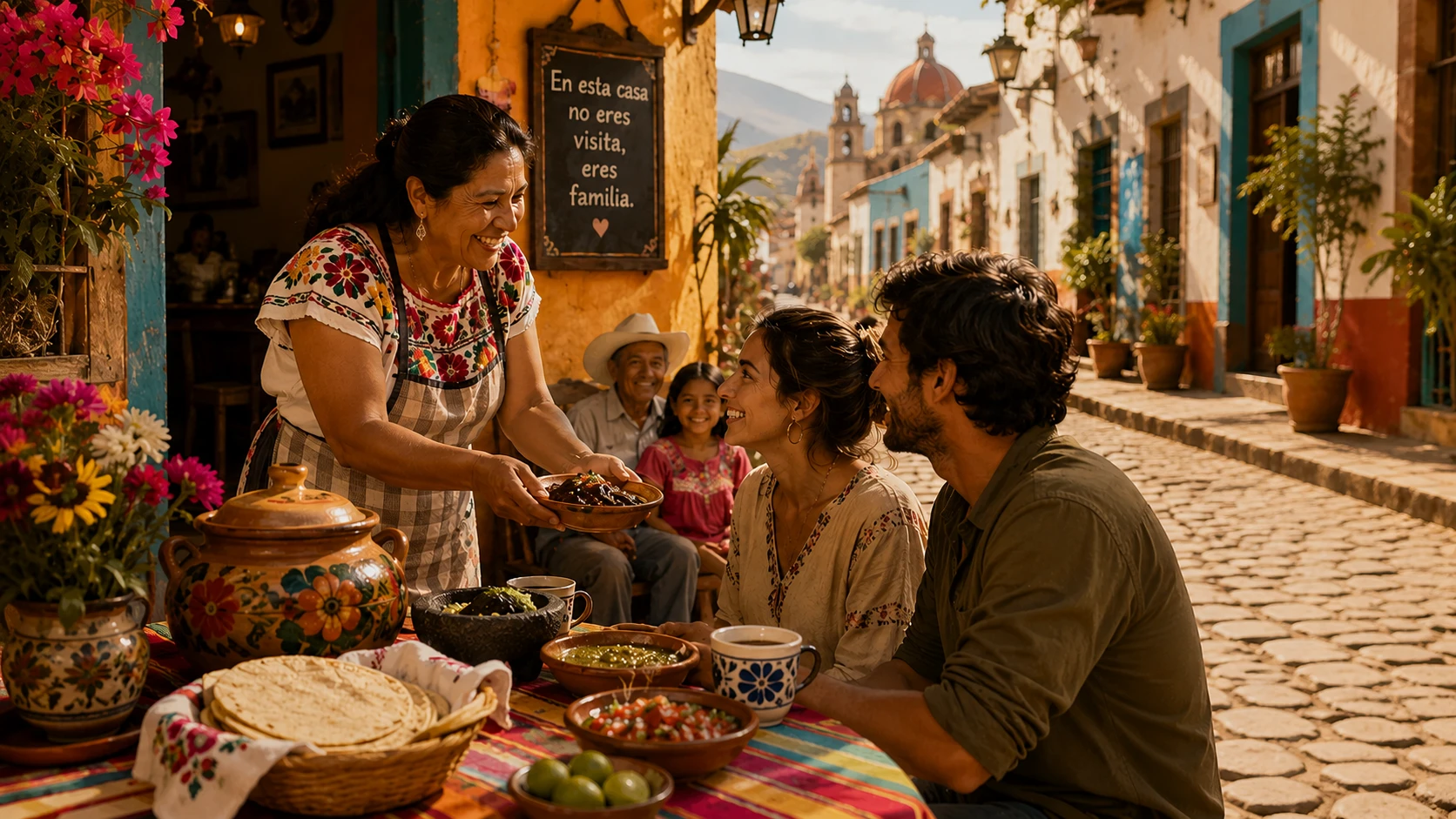
Exploring the essence of Mexican hospitality
Mexican hospitality is renowned for its warm and inclusive nature. Often highlighted in travel stories and brochures, it goes beyond being friendly or a tourist attraction strategy. It represents a deeper cultural understanding of home and interpersonal connections. This unique hospitality style isn’t just an extension of politeness but a way to incorporate and share life’s rhythms with visitors. In Mexico, strangers aren’t just accommodated; they’re embraced through thoughtful gestures, transforming hospitality into an authentic experience.
What makes Mexican hospitality special?
Mexican hospitality is notable for its ability to make guests feel genuinely part of the community, even for a short time. It’s common to offer a meal or engage in spontaneous conversation, creating a welcoming atmosphere. In practice, this involves offering food, drink, and guidance to visitors, ensuring they feel integrated rather than isolated. The process is less about formality and more about creating a personal connection with the guest.
How is Mexican hospitality expressed through food?
Food plays a central role in expressing Mexican hospitality. The act of sharing a meal goes beyond providing sustenance; it’s an avenue for connection. In Mexican culture, even an unexpected guest is welcomed with whatever is available—a coffee, a meal, or a drink. This tradition underscores the value placed on sharing and the momentary suspension of routines to prioritize human connection. It transforms the simple act of eating into a meaningful experience of domestic generosity.
Can you describe the social language of closeness in Mexico?
Mediterranean cultures often emphasize close social interactions, and Mexico is no exception. Small talk here can quickly evolve into deep conversations, making strangers feel like long-lost friends. A simple query about a person’s stay can open the door to anecdotes, recommendations, and memory-sharing. This tendency to bridge gaps through dialogue signifies a cultural drive to reduce social distance and establish familiarity, making Mexican hospitality distinctive.
How does Mexican community history influence its hospitality?
The roots of Mexican hospitality lie deep in its socio-cultural history, where community and shared festivity were vital. Historically, social gatherings were not only community-building exercises but also a form of social capital. Hosting successfully showed one’s status and commitment to communal cohesion. This historical backdrop imbues modern hospitality with a ceremonial touch, often characterized by an informal yet heartfelt inclusion of strangers in community activities.
Why is empathy crucial in Mexican hospitality?
México’s hospitality is often characterized by its empathetic nature. Hosts often go beyond conventional offerings by attuning themselves to the needs of their guests, anticipating and addressing unspoken requirements. Whether it’s guiding a traveler through a new area or offering comfort to a newcomer, this attentiveness transforms hospitality from a mere transaction into a compassionate service. This thoughtful approach adds a layer of care that distinguishes the Mexican welcoming style.
How does Mexican hospitality reflect identity?
Mexico’s diverse geographical and cultural landscape allows for various expressions of hospitality, from rural villages to urban settings. Despite regional differences, the core element of making guests feel part of the family remains unchanged. Thus, hospitality in Mexico is seen as part of cultural identity: a shared value that transcends individual differences, embodying a broader social aspiration to make others feel at home, if only temporarily.
Is Mexican hospitality more about gestures than luxury?
Mexican hospitality values genuine interaction over luxurious offerings. The hallmark of this hospitality is not lavishness but the numerous small, meaningful gestures: extending table spaces, sharing stories, or simply offering guidance. In doing so, people in Mexico foster a welcoming space that prioritizes shared experiences over superficial amenities. This approach highlights the country’s enduring commitment to connection, rooted in everyday acts of kindness.
What can the world learn from Mexican hospitality?
Incorporating Mexican hospitality principles, such as emphasizing personal connection and shared experiences, could inspire more authentic, inclusive interactions globally. As society grapples with increasing anonymity and speed, Mexico’s approach reintroduces the value of presence and attentiveness. This form of hospitality promotes the idea that receiving someone can still be a profound act of mutual understanding and cultural respect, teaching us to see guests as part of a broader community, even if just for a brief moment.
In conclusion, Mexican hospitality offers more than just politeness; it is an embodiment of a community-centered culture. Through shared meals, empathetic interactions, and historical traditions, Mexico provides an inclusive experience, welcoming strangers into the fold. This unique hospitality reminds us that genuine connection and cultural understanding can transform a simple visit into a memorable life experience.


