
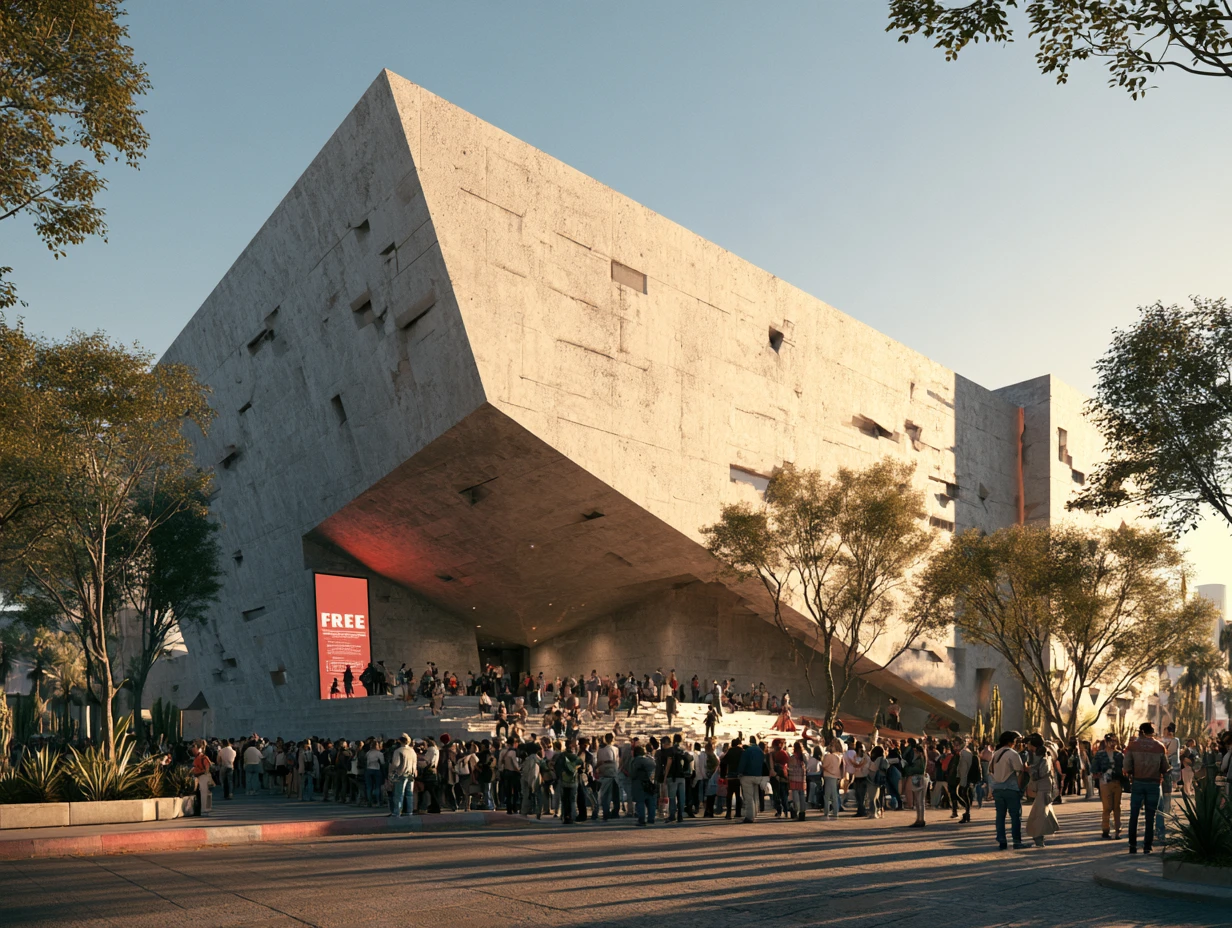
53 museums in Mexico may be free in 2027
In an effort to enhance the accessibility of Mexico’s rich cultural heritage, the government has proposed an initiative to make entry to 53 museums and archaeological sites free of charge in 2027. The move aims to encourage both local and international visitors to explore and learn more about the diverse history and traditions of Mexico. This initiative, proposed as part of modifications to the Federal Rights Law, remains pending approval by Congress, but it represents a significant step towards broader public access to national historical treasures.
Why are these sites becoming free?
The main motivation behind making 53 museums and archaeological sites free is the low revenue compared to the high costs of managing entry fees. By eliminating the entry charges, the government expects to increase visitor numbers, allowing more people to connect with the country’s cultural history. According to government records, these sites have struggled with financial efficiency, prompting the proposal to remove fees at specific locations managed by the National Institute of Anthropology and History (INAH).
Key sites included in the initiative
Among the significant sites set to become free are Bonampak in Chiapas, known for its Maya murals, and La Venta in Tabasco, critical for understanding Olmec culture. Tamtoc in San Luis Potosí, tied to the Huasteca archaeological tradition, is also on the list. These sites are instrumental in showcasing Mexico’s ancient history and play a crucial role in education and tourism.
Additional archaeological locations
The list also includes other archaeological zones like Izapa, Pomoná, Tehuacalco, and Calixtlahuaca, among others. These locations, spread across Mexico, highlight diverse historical periods and cultural narratives. Each site offers a unique perspective on the historical and cultural evolution of the region, from ancient civilizations to more recent historical developments.
Museums joining the free access list
Several museums are part of this initiative, including the Guillermo Spratling Museum, the Museum of Huasteca Culture, and the Museum of the Estampa. These museums provide diverse insights into Mexican culture, art, and history. By offering free access, the initiative aims to reach a broader audience, increasing cultural literacy among visitors from various backgrounds.
Impact on the remaining INAH sites
It’s important to note that while 53 sites will become free, 122 others will retain their entrance fees. This strategic selection ensures that while significant cultural sites are made more accessible, others continue to generate necessary revenue. According to INAH, maintaining fees on specific sites helps manage and preserve the vast array of historical sites under its care.
How many sites are managed by INAH?
INAH oversees 194 archaeological zones and one paleontological zone currently open to the public. The 53 sites included in the proposal represent a targeted effort to increase free public access. INAH’s management includes a wide array of cultural heritage sites, which collectively narrate the extensive history of Mexico’s civilizations.
Potential benefits for tourism and education
If approved, this initiative could significantly enhance educational opportunities and boost tourism. Free access to key historical sites and museums can transform occasional visits into regular educational experiences for local residents and tourists alike. This approach is expected to boost domestic tourism and encourage educational field trips, thereby integrating cultural heritage into everyday learning experiences.
A wait for legislative approval
The proposal’s success depends on its passage through the legislative process. As of now, it awaits discussion and approval by Congress. Changes to the list or conditions may occur during this process. However, the initiative highlights a critical shift towards prioritizing cultural accessibility and promoting a broader appreciation for Mexico’s rich history.
Overall, the government’s proposal to make entry to 53 museums and archaeological sites free by 2027 presents an opportunity to expand public access to Mexico’s cultural heritage. By encouraging visits to these sites, the initiative seeks to enhance collective cultural understanding and pride, while potentially invigorating local tourism and educational endeavors. As the proposal moves through the legislative process, it continues to represent a forward-thinking approach to cultural preservation and public engagement.


