
Mexico City gives World Cup waste a second life
The 2026 World Cup left Mexico City buzzing with excitement and global attention. Yet, beyond the thrilling matches and celebrations, the city faces a significant environmental task—managing the waste left behind. Unlike previous approaches, the capital city has embarked on an ambitious project to recycle and transform 240 tons of waste into usable urban infrastructure. This initiative showcases how global events can leave behind more than just memories; they can also contribute to a sustainable future.
How will Mexico City manage World Cup waste?
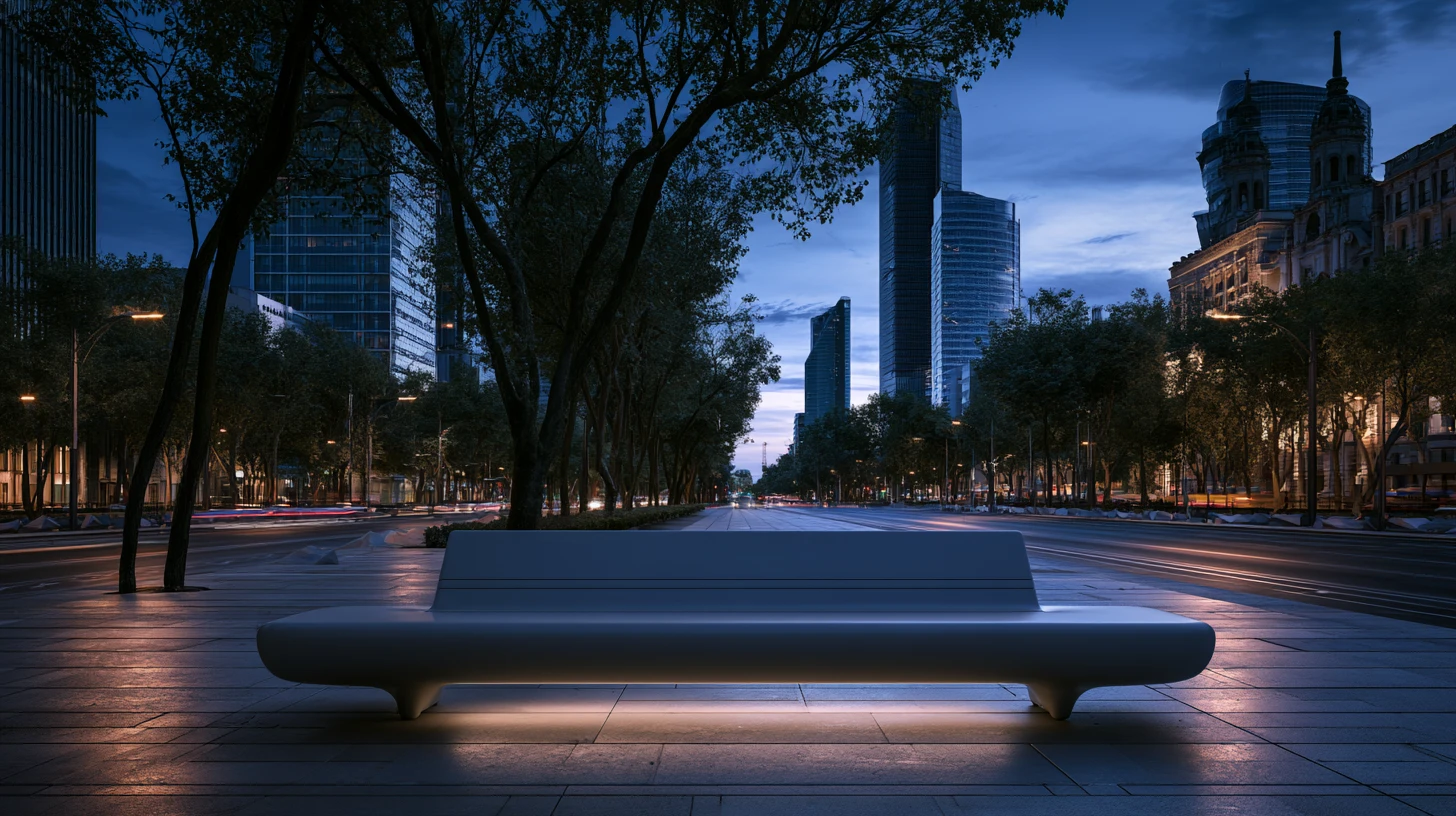
Mexico City plans to convert World Cup waste into useful urban forms like benches and planters, keeping 240 tons of waste out of landfills. This effort aligns with a broader strategy to employ a circular economy model, which retains the value of materials by repurposing them. The city aims to demonstrate that such large-scale events can catalyze sustainable practices, setting a precedent for future gatherings. By choosing to recycle rather than dispose, Mexico City will undoubtedly mitigate environmental impact.
What materials are being recycled?
Primarily, the waste consists of plastics, bottles, and containers used during the World Cup. Specialized teams will collect these materials from festival zones and public spaces. Once gathered, they will be sorted and processed to create street furniture like benches and planters. This approach not only reduces landfill waste but also decreases the demand for new raw materials. Each recycled item highlights the transformative potential of waste management strategies.
What are the benefits of this recycling project?
This project offers numerous benefits: it reduces landfill use, conserves raw materials, and enhances public spaces with new urban furniture. By converting waste into functional public assets, the city illustrates an effective recycling model. These changes inspire sustainable practices while providing tangible benefits to the local community, establishing a clear link between environmental mindfulness and urban development.
How does this fit into Mexico City’s environmental goals?
The project supports Mexico City’s commitment to sustainability and the circular economy. Through waste transformation, the city not only achieves waste reduction but also sustains long-term public benefits. The recycled street furniture becomes a constant reminder of the city’s environmental priorities, encouraging citizens to engage in sustainable practices. Aligning with broader climate goals, this initiative marks the city’s proactive stance on addressing urban environmental challenges.
Will this set a trend for future events?
The innovative recycling initiative offers a blueprint for future large-scale events worldwide. Other cities might adopt similar waste management tactics, focusing on recycling and sustainability. By showcasing how waste can transform into community assets, Mexico City positions itself as a leader in urban environmental strategies. This trend not only supports ecological resilience but also elevates the standards of impact assessment for global events.
How does the circular economy impact local communities?
The circular economy model creates economic and social opportunities within local communities by repurposing waste. The initiative produces street furniture, which enhances public spaces and supports community engagement. Economic benefits arise from job creation in sorting, processing, and installation activities. As local communities witness real outcomes from waste conversion, a broader eco-conscious culture emerges, reinforcing collective environmental responsibility.
What is the long-term vision for this project?
The long-term vision involves integrating this recycling model into regular city operations, expanding beyond World Cup waste. By continually applying circular economy principles, Mexico City aims to reduce overall waste and improve urban living standards. This project serves as a gateway to broader sustainable efforts, with aspirations to extend its scope and encourage ongoing commitment to environmental innovation and community welfare.
How does this initiative inspire future urban development?
Transforming waste into urban assets inspires a new approach to city planning, encouraging other municipalities to consider sustainability from the ground up. By implementing this model, Mexico City pioneers a shift towards infrastructure that both serves the public and respects the planet. This project exemplifies how thoughtful waste management can redefine urban landscapes and encourages other cities to craft robust strategies for environmental and social prosperity.
In conclusion, Mexico City’s approach to recycling World Cup waste is groundbreaking. By transforming garbage into tangible urban assets, the city sets a powerful example of sustainable practice. This initiative not only addresses immediate waste concerns but fosters a culture of environmental responsibility, both locally and globally. As Mexico City implements these practices, it shapes a path for future innovation in sustainable urban development.


