
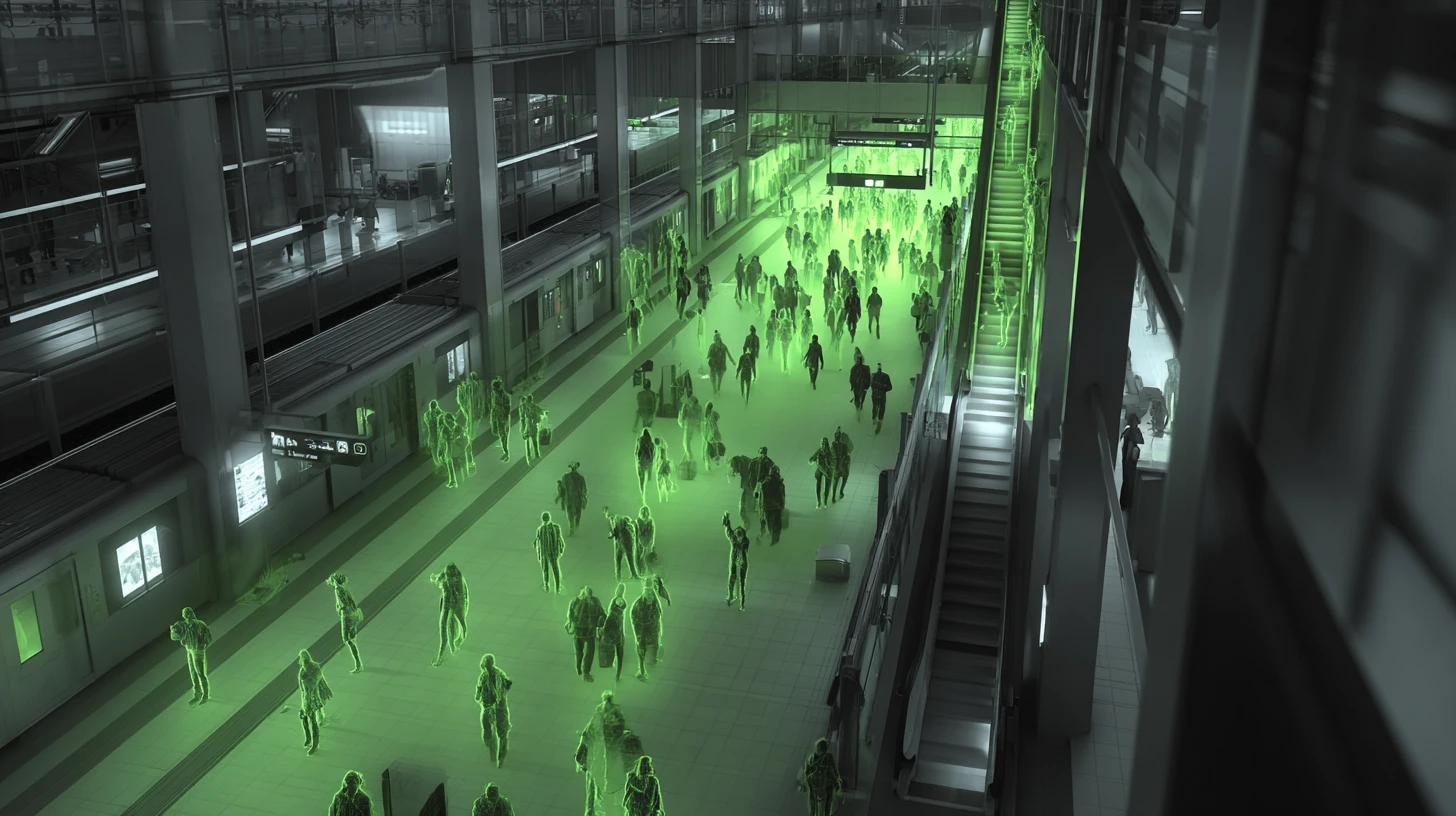
CDMX introduces live heat maps for Metro crowding
The Mexico City Metro has launched an innovative solution to tackle overcrowding issues by introducing heat cameras that provide live crowd density data. Millions rely on the Metro system daily, and the goal of this project is to improve the passenger experience with real-time information available online. By offering visibility into station crowd levels before travel, it aims to help users plan their routes better, ultimately reducing wait times and congestion across the network. This new initiative is part of a broader push towards smart transportation solutions in the city.
How do the heat cameras work in CDMX Metro?
The CDMX Metro employs thermal cameras to monitor crowd density without capturing any personal identifiers. These cameras detect thermal signatures to measure how crowded a station is. The processed data is then displayed to users as a simple heat map. Users can access this data online to assess station crowding. For instance, a green color indicates low density, while red signals higher levels of saturation. The aim is to empower passengers with information that can help them avoid congestion and plan trips more efficiently.
How is crowd data displayed to the public?
The processed data from the heat cameras is converted into a user-friendly map available on the Metro’s website. Users will see color-coded stations based on crowd density—green for low, yellow for moderate, and red for high saturation. This system is designed to be intuitive, allowing passengers to easily understand crowd levels at a glance. This visual guide provides approximate wait times and helps users decide whether to alter their travel plans in real-time, thereby optimizing their commuting experience.
What advantages does the new system offer to commuters?
This technology provides several benefits to Metro users. Primarily, it offers real-time knowledge of station crowd levels, allowing passengers to make informed decisions about their travel routes. For instance, during peak hours, knowing that a particular station is overcrowded could prompt an individual to choose a different route or delay their travel, effectively reducing stress and improving overall passenger flow. Additionally, it can potentially decrease travel time as passengers avoid overly crowded stations, ensuring a more comfortable travel experience.
How does the system protect passenger privacy?
Passenger privacy is a top priority for this new system. Unlike traditional surveillance, these heat cameras do not collect personal data or images that could identify individuals. Instead, they simply register body heat to gauge crowd levels, maintaining anonymity. The focus is on acquiring statistical data to improve transit operations without compromising user privacy. Such measures aim to foster public trust in the new technology, ensuring it is perceived as a beneficial tool rather than an invasive surveillance method.
How does this system benefit Metro operations?
Real-time data provided by the new system offers several operational benefits to Metro management. By constantly monitoring crowd levels, it helps identify and respond to unexpected increases in demand, such as during special events or service disruptions. With this information, Metro officials can make dynamic adjustments, such as deploying additional trains or staff to manage crowds more effectively. It also aids in long-term strategic planning, as data trends highlight areas of consistent high demand, prompting enhancements in service frequency and infrastructure.
Can this technology be found in other cities?
Yes, similar technologies are already in use in various cities worldwide, particularly in large, bustling urban centers where efficient transit systems are essential. From New York to Tokyo, real-time data solutions are leveraging technology to enhance public transportation services. These systems are often viewed as integral components of smart city initiatives, focusing on optimizing urban mobility through the use of data-driven insights and solutions. CDMX’s adoption of this technology places it alongside these forward-thinking cities.
Is this part of a larger smart city initiative?
This heat camera project is part of a broader effort to innovate and modernize Mexico City’s infrastructure. As cities grow, the need for smart solutions to manage transportation more effectively becomes critical. The initiative aligns with worldwide trends where metropolitan areas are integrating technology into everyday services for efficiency and improved quality of life. By leveraging data and technology, CDMX aims to create a smarter, more navigable, and user-friendly environment for its millions of residents and visitors.
What is the future impact of this initiative?
If successful, this initiative could lead to broader applications within the Metro system and other public services. Regular usage of crowd data by passengers can transform how daily commutes are executed, making them more strategic and less stressful. Moreover, as data collection methods improve, insights gained could influence future urban planning and development projects. Implementing this system is a foundational step towards a future where real-time data drives smarter, more efficient urban mobility.
In conclusion, the introduction of heat cameras within the CDMX Metro represents a leap toward innovative public transportation management. By providing real-time data about crowd levels, the system empowers users to make more informed travel decisions. Beyond user convenience, the technology offers operational insights that can lead to more efficient Metro operations. This project not only signifies a technological advance but also strengthens CDMX’s position as a forward-thinking, data-driven metropolis, paving the way for future enhancements in urban mobility.


