
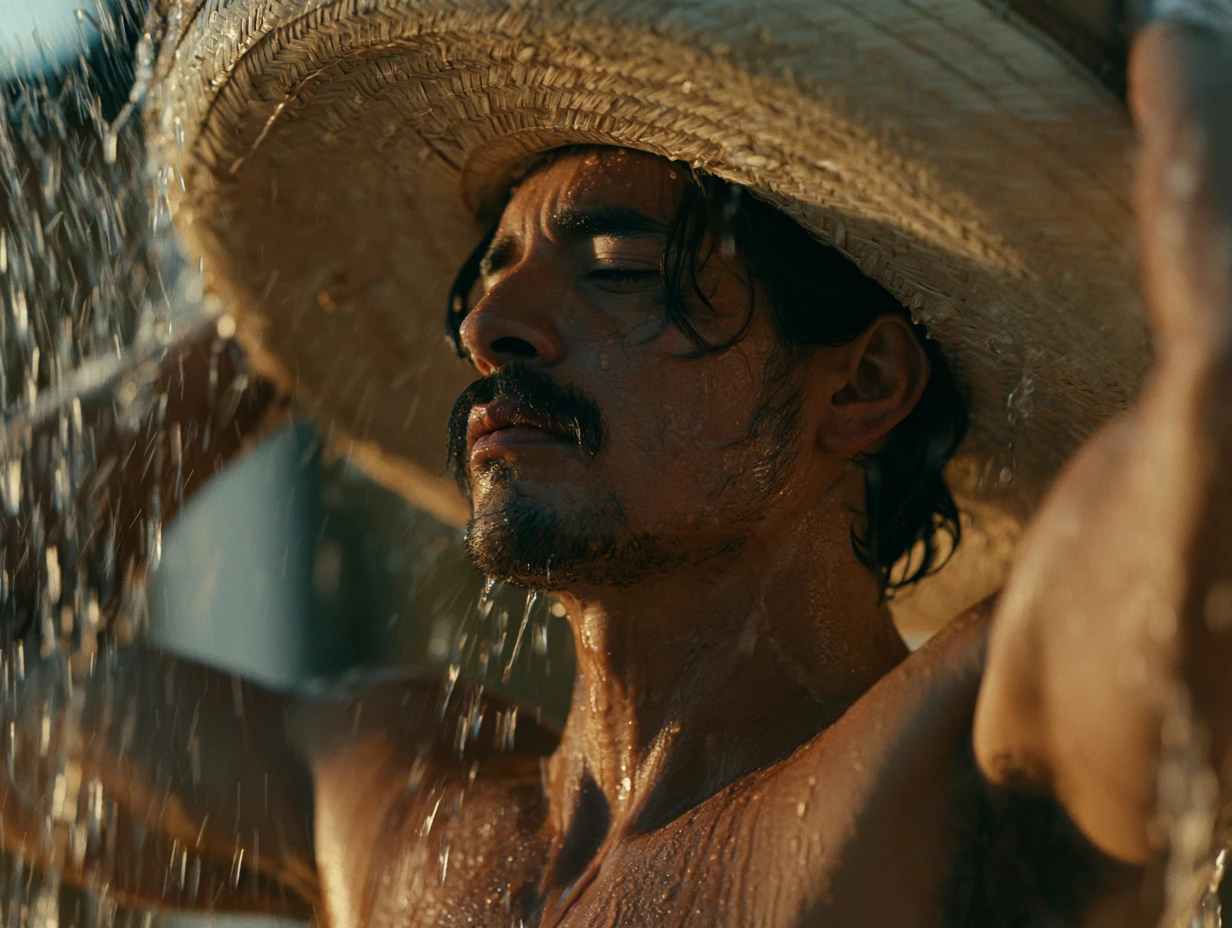
Study finds Mexicans are the cleanest
Recent research underscores Mexico’s prominent position globally regarding personal hygiene habits. According to a study conducted by Hansgrohe, Mexicans exhibit some of the highest rates of daily showering worldwide, with between 75% and 90% of citizens reporting at least one shower per day. This deep-seated habit places Mexico at the forefront in terms of hygiene, showcasing a cultural commitment to cleanliness and setting the country apart from many others globally.
How often do Mexicans shower daily?
A significant 75.3% of Mexicans reported showering daily, according to the survey results disseminated in 2017. This positions Mexico as the top nation for this particular hygiene habit. The survey reveals that this practice is embedded in the daily routines of millions within Mexico. This priority on cleanliness is a notable cultural trait among Mexicans, setting a standard that surpasses other countries studied in the same survey.
Comparison with other countries
When compared with other nations, the preference for daily showers among Mexicans stands out. Colombia and Spain share the second position with 71.4% of the population engaging in this daily habit. Australia follows with 65.8%, France with 63.4%, Japan with 57.5%, the United States with 57.4%, and Germany with 53.8%. This data highlights a significant gap between Mexico and other countries, underscoring a unique aspect of Mexican culture.
Cultural significance of daily showers in Mexico
In Mexico, showering is not merely a matter of hygiene but is also deeply rooted in cultural practices. Starting the day with a shower is seen as a revitalizing activity that prepares individuals for their daily responsibilities. For many, it serves both as a means of cleansing and as a way to mentally and physically refresh. This practice is an integral part of the routine, reinforcing the importance of hygiene within Mexican society.
Differences within demographic groups
The study also highlights variations within demographic groups. Notably, around 90% of women in both Mexico and Australia reported frequent showering. This indicates that gender may influence hygiene habits. These variations underline the complexity of personal hygiene practices and demonstrate that factors such as gender can affect how these habits are maintained within different cultures.
Brazil’s unique position on multiple daily showers
While Mexico leads in daily showering, Brazil stands out in another category—frequent multiple daily showers. The study found that 49.8% of Brazilians reported showering two or even three times a day. This is a stark contrast to countries like the United Kingdom, where only 5.8% engage in such frequent hygiene practices. This showcases the diversity of hygiene habits across the globe.
Water conservation concerns in Mexico
The results of this study also open conversations about water conservation in Mexico. Showering daily does not inherently imply excessive water usage, as factors including shower duration and efficiency of water use play significant roles. As a country with increasing water scarcity, Mexico is encouraged to balance its commendable hygiene habits with sustainable water usage practices to ensure the resource is preserved for future generations.
Broader implications of the study
This study provides insight into the daily practices of Mexicans and how these habits reflect broader cultural values. While it does not claim Mexicans as the cleanest in every aspect, it emphasizes the unique prioritization of showering. Understanding such habits allows for a better appreciation of cultural differences in hygiene and sets a dialogue for other countries to explore their practices relative to resource use and satisfaction of daily hygiene needs.
Conclusion: Emphasizing cultural hygiene norms
The findings from this international study highlight a noteworthy aspect of Mexican culture—the commitment to daily cleanliness through showering. While it serves as a point of national pride, it also calls attention to the essential need for sustainable water practices. Balancing tradition with innovation in resource conservation can ensure that this cultural hallmark remains viable. As these habits are discussed globally, countries can learn from Mexico’s example to foster practices that align cultural values with environmental responsibility.


