
Exploring Mexico’s haunting ghost towns
Mexico is home to numerous ghost towns, each with its own unique history and ambiance. These abandoned places draw tourists and history enthusiasts fascinated by their eerie beauty and the stories they hold. Often left due to natural disasters, economic shifts, or government initiatives, these ghost towns present a snapshot of the past where time seems to have stood still.
What happened to San Juan Parangaricutiro?
In 1943, the volcanic eruption of Paricutín buried San Juan Parangaricutiro, Michoacán in lava. Remarkably, the Church of San Juan remains, emerging from the volcanic rock. Tourists frequently visit this site to witness the resilience of the church amid hardened lava. This event stands as a testament to the destructive power of natural forces, yet simultaneously highlights the durable aspects of human construction.
Why is Guerrero Viejo underwater?
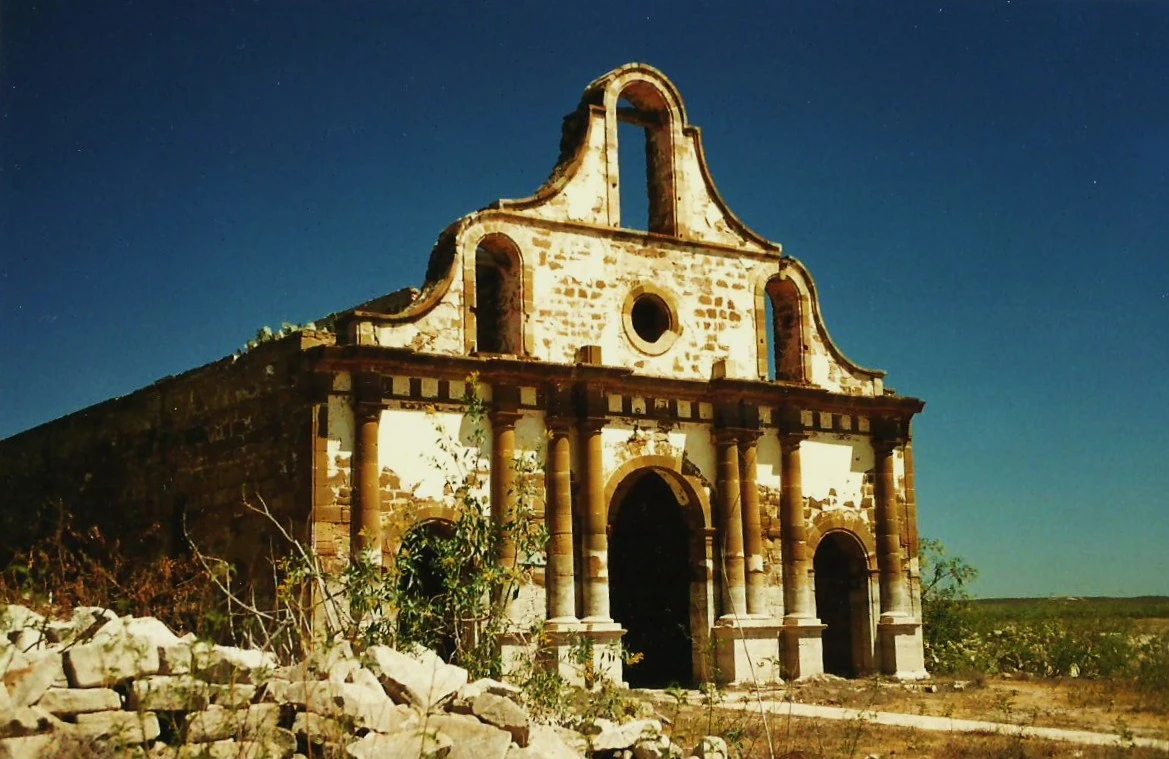
Guerrero Viejo in Tamaulipas was vacated during the 20th century to make way for the Falcón Dam. The rising waters submerged the town, and it only becomes accessible when water levels drop. The inhabitants were relocated to modern Guerrero, leaving Guerrero Viejo as a reminder of the cost of progress and innovation. It highlights the significant impact of infrastructural projects on communities.
What led to Cerro de San Pedro’s abandonment?
Cerro de San Pedro in San Luis Potosí saw economic prosperity through mining until a failed strike in 1948 led to a destructive explosion. This event marked the beginning of the end for the town, which gradually became deserted. Currently, only about a hundred people occupy its barren landscape. The story of Cerro de San Pedro reflects both the rise and fall that mining towns often experience.
Who founded Ojuela and why did it fall silent?
Founded by Jesuit Servando de Ojuelos, Ojuela in Durango flourished due to mining. However, a severe storm in the 20th century filled its mines with water, forcing inhabitants to migrate. Today, its iconic 400-year-old suspension bridge attracts visitors. Ojuela’s history illustrates how environmental challenges can drive communities away while leaving structures that intrigue explorers.
Why is Mineral de Pozos a ghost town?
Mineral de Pozos in Guanajuato was once a bustling mining hub. Natural disasters and the Cristero War led to flooding that caused massive population decline. Now recognized as a Pueblo Mágico, its minimal population and picturesque ruins draw tourists. This transformation underscores the town’s enduring cultural and historical significance even as its heyday has passed.
Are ghost towns in Mexico accessible to tourists?
Many of Mexico’s ghost towns are accessible and offer unique travel experiences. Sites like the church in San Juan and the bridge in Ojuela provide tangible connections to the past. However, access sometimes depends on seasonal conditions, such as water levels at Guerrero Viejo. Tourists are drawn to these towns by both their historical value and the haunting beauty they offer.
What stories do Mexican ghost towns tell?
Mexican ghost towns share tales of human resilience, economic rise and fall, natural disasters, and governmental effects on populations. Each town holds stories encapsulated in its ruins, from church remnants to flooded streets. These narratives serve as educational tools, providing insight into the country’s diverse historical landscape and the various factors leading to these towns’ abandonment.
Why are ghost towns significant in modern Mexico?
Ghost towns hold cultural and educational value, reflecting historical events that shaped modern Mexico. They are powerful symbols of change, adaptation, and the impacts of development. Their enduring presence invites reflection on past decisions and inspires conversation about sustainable progress. Visiting these sites fosters a deeper understanding of Mexico’s layered past and ongoing narrative.
In conclusion, Mexico’s ghost towns are captivating relics of history waiting to be explored. They offer glimpses into past epochs shaped by natural phenomena, economic shifts, and human decisions. Each town presents an opportunity to engage with history in a unique setting, inviting both introspection and tourism. These towns are vital pieces of heritage, integral to understanding not only regional but also national identity and history.


