
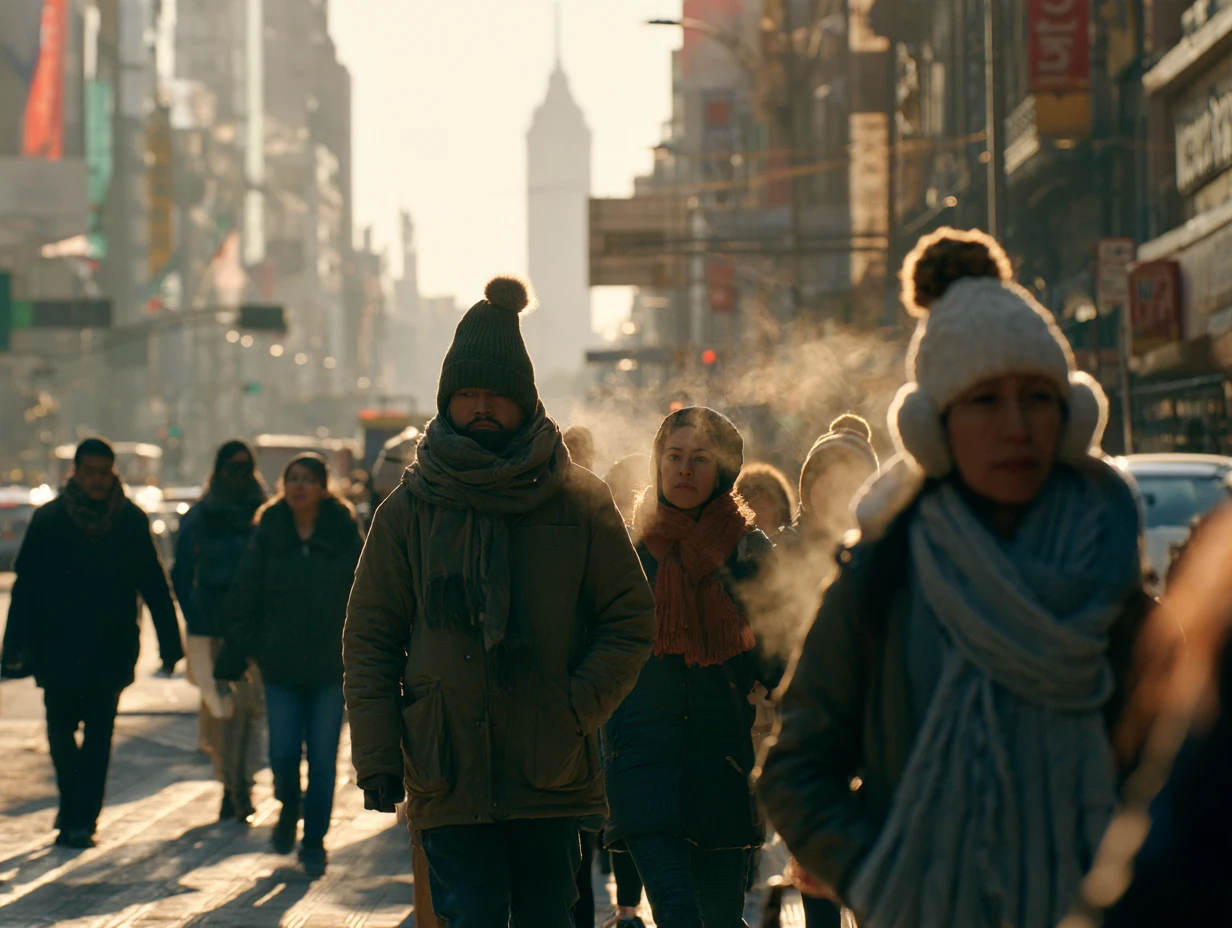
Colder winter in CDMX predicted for 2026
The winter of 2026 in Mexico City is set to be notably colder than previous years, based on predictions by meteorological experts. The Servicio Meteorológico Nacional has announced an unprecedented number of cold fronts expected to pass through Mexico during the 2026-2027 winter season. A total of 56 cold fronts are predicted, which is six more than the historical average recorded from 1990 to 2020. While this number suggests a more active cold period, it is not yet confirmed that 2026 will be the coldest year on record for the capital.
What contributes to more cold fronts in 2026?
In 2026, Mexico City is expected to experience more cold fronts due to the influence of El Niño. This climate phenomenon affects atmospheric circulation patterns, influencing temperature and precipitation. Between September 2026 and May 2027, the Servicio Meteorológico Nacional predicts 56 cold fronts. Each month will see varying numbers, with November and December having the most activity. El Niño’s presence may modify the conditions accompanying these systems, leading to colder weather compared to typical winters.
How will El Niño impact winter weather?
El Niño significantly impacts Mexico’s weather patterns, bringing colder conditions. During the winter of 2026, El Niño’s influence is expected to result in increased cold front activities between November and February. This period will likely see the arrival of most predicted fronts. Despite more fronts, record-breaking temperatures in Mexico City are not guaranteed as each front differs in intensity. Atmospheric conditions at the time of each event will play a crucial role in determining the weather’s severity.
What temperatures can be expected in 2026?
Madrid forecasts for the winter of 2026 reveal particularly cold mornings, with temperatures dropping significantly. Central areas of Mexico City may see lows near 2°C, with higher regions like Tlalpan and Milpa Alta experiencing colder conditions and potential frost. Weather projections suggest these scenarios, though they do not represent confirmed records for all city areas. Variations across different zones highlight the need for preparedness, especially in higher and more forested locations.
Will 2026 set new temperature records?
While anticipated cold temperatures are significant, attributing 2026 as the coldest year on record remains speculative. The focus is on an active cold season rather than extreme cold per se. The increased number of cold fronts signals a marked seasonal change, not necessarily record-breaking lows. However, as the year progresses, monitoring actual temperature trends remains essential. The interplay between cold fronts, El Niño, and prevailing atmospheric conditions will dictate the final outcomes.
How do previous weather patterns compare?
Assessing 2026 against historical weather data, August 2026 notably recorded the highest heat levels since comparable records began. Temperature averages stood at 27.2°C, with data showing it as the driest August since 1941. These climate extremes reflect the contrasts within the year’s weather, highlighting periods of intense heat alongside potent cold systems. This duality emphasizes the importance of comprehending and preparing for diverse atmospheric influences in Mexico City.
What should residents prepare for?
Residents in Mexico City should brace for an extended period of lower temperatures and increased cold fronts as forecasted. Maintaining preparedness is critical, with suitable clothing and heating measures crucial for comfort during predicted downtimes. Especially for those in higher-altitude areas, forecasting suggests emphasis on keeping warm gear accessible through early 2027. While not definitively the coldest year, anticipatory actions should align with expert predictions.
What role will monitoring play in 2026?
Continuous environmental monitoring will be crucial throughout 2026 as atmospheric conditions evolve. Experts will keep a keen eye on El Niño, as its dynamics hold substantial sway over expected weather patterns. The Servicio Meteorológico Nacional will provide ongoing assessments and updates, ensuring residents receive timely information. This proactive approach allows better adaptation and response strategies, mitigating vulnerabilities due to unforeseen weather shifts.
Conclusion
While a colder winter is anticipated in Mexico City for 2026, claiming it as the coldest year is premature. The National Meteorological Service outlines a potential increase in cold fronts attributed to El Niño. This phenomenon may alter typical weather patterns, demanding increased readiness from citizens. As developments unfold, expert monitoring will be essential in guiding responses to these weather changes, ensuring community safety amid dynamic natural conditions.


