
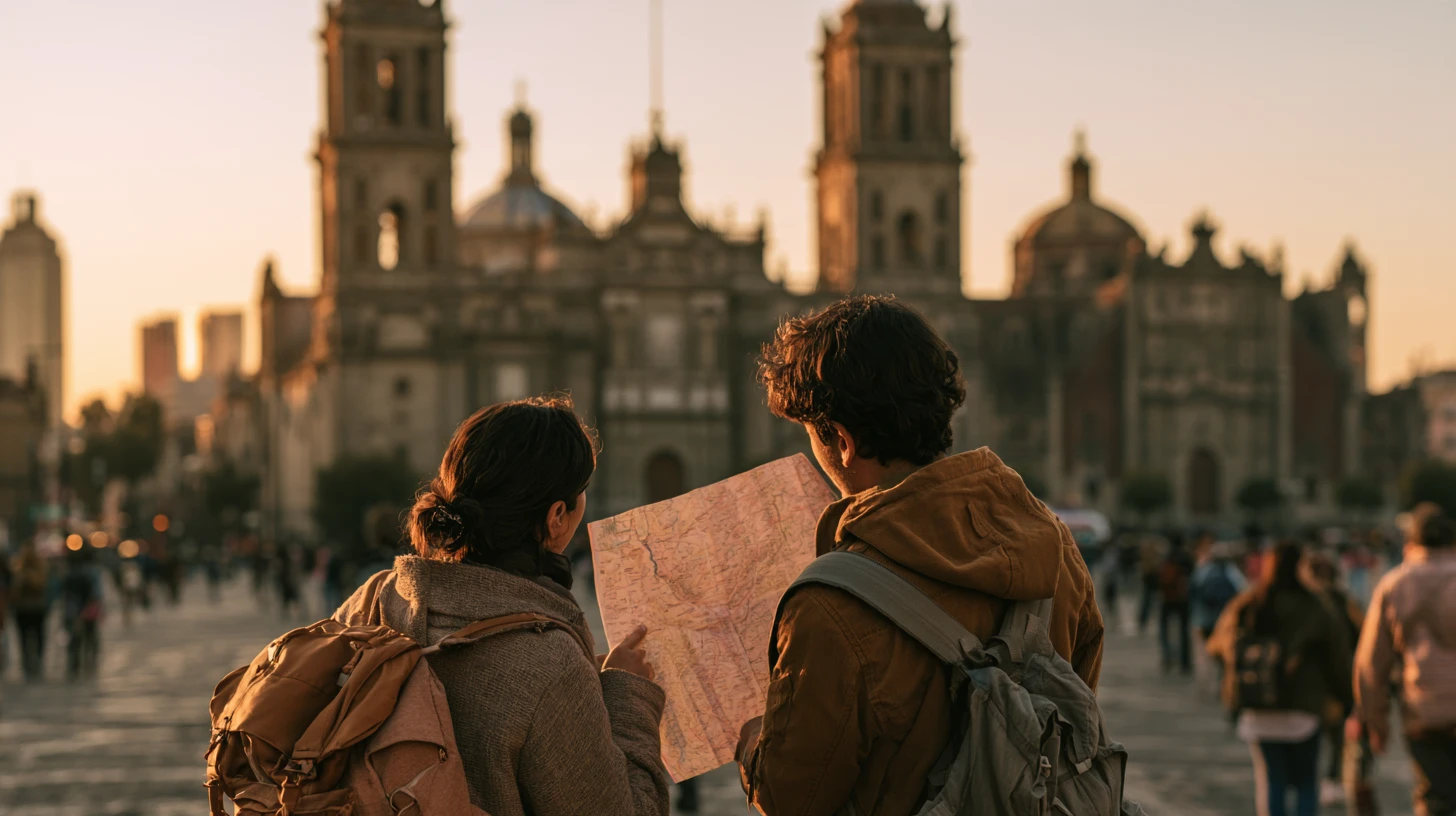
Tourism boom in Mexico City boosts economy
The vibrant city of Mexico City (CDMX) is experiencing an unprecedented surge in tourism. With a rich historical backdrop, thriving culinary scene, and an ever-growing cultural agenda, CDMX has become a top destination for travelers worldwide. Recent statistics show an impressive increase in tourist numbers and economic impact, as highlighted in a report presented by Alejandra Frausto Guerrero, the Secretary of Tourism. This upward trend not only highlights CDMX’s appeal but also solidifies its role as a major economic driver.
Why is CDMX witnessing a tourism boom?
The tourism boom in CDMX can be attributed to a number of strategic factors. A standout feature is the capital’s ability to blend its historic essence with modern attractions. In 2025, the city welcomed 61.2 million visitors, marking a 5.5% increase from the previous year. Projections for 2026 estimate a further rise to 65.9 million, equivalent to a 7.7% growth. This upward trend underscores the city’s success in continually attracting and catering to a diverse range of visitors.
How significant is the economic impact of tourism in CDMX?
The economic impact of tourism in Mexico City is substantial. From January to September 2026, tourists staying in hotels contributed almost 120 billion pesos to the economy, representing a 6% increase over the same period in 2025. This financial influx is crucial as it stimulates various sectors within the city, showcasing tourism as a vital component of CDMX’s financial ecosystem, and reflecting the city’s capacity to support an influx of visitors while generating income.
What are the popular events drawing tourists to CDMX?
Major cultural and sports events in CDMX play a pivotal role in attracting tourists. For example, the recent Dia de Muertos celebration and the Formula 1 Grand Prix exemplified this effect, drawing in 550,600 tourists, with hotel occupancy peaking at 92%. The Dia de Muertos parade itself attracted 1.6 million attendees, while the Grand Prix saw over 405,000 spectators. Such events illuminate CDMX’s ability to host large-scale festivities that appeal to both domestic and international audiences.
How does tourism spread across CDMX’s boroughs?
Efforts are underway to decentralize tourism benefits across CDMX’s 16 boroughs. This strategy aims to distribute not only visitors but also economic benefits beyond popular hotspots to lesser-known areas. Noteworthy sites like San Ángel’s Feria de las Flores, Coyoacán’s historical treasures, and the cultural richness of Garibaldi and Tepito highlight the city’s diverse offerings. This approach is intended to stimulate local economies and spotlight unique cultural experiences in these districts.
What is the Colibrí Viajero program?
The Colibrí Viajero program represents a key initiative to make tourism accessible to all. By providing 981,101 individuals with trips across 64 routes in CDMX and beyond, the program emphasizes inclusivity. Through services such as transportation, food, lodging, and medical support, it targets seniors, children, and adolescents, ensuring tourism is not exclusive to the privileged few. Moreover, with variations like Colibrí de Plata for seniors, the program fosters equal access to travel experiences.
How does gastronomy influence tourism in CDMX?
CDMX’s culinary scene is a significant draw for visitors. With approximately 65,000 restaurants offering everything from haute cuisine to street food, the city is a gastronomic haven. The introduction of the Michelin Guide, which has awarded 80 distinctions to local establishments, has further enhanced its culinary credibility on the global stage. This broad spectrum ensures that every meal is a memorable experience, whether in a high-end setting or a casual street corner.
How did the 2026 FIFA World Cup affect CDMX?
The 2026 FIFA World Cup preparations brought significant movement beyond the realm of sports in CDMX. Spanning 633 preparation days, the event fostered cooperation between various stakeholders. Notable activities included a community children’s tournament, 18 football festivals across the boroughs, and the FIFA Fan Festival, which drew 2.5 million visitors to Zócalo over 39 days. These events elevated the city’s international profile and supported long-term infrastructure benefits.
What does the future hold for CDMX tourism?
The future of CDMX tourism is promising. With expectations of nearly 66 million visitors by 2026, the city continues to expand its allure. The challenge lies in maintaining growth that benefits local communities, enhances infrastructure, and integrates tourism with daily life. As CDMX demonstrates its capacity to surprise and delight, it endeavors to ensure that tourism enriches both visitors and residents alike. By focusing on sustainable, community-oriented tourism, CDMX reinforces its position as a world-class destination.
In conclusion, CDMX’s tourism boom reflects its dynamic nature and robust appeal. With strategic initiatives in place, the city is poised to continue this trajectory, offering rich cultural heritage, diverse culinary experiences, and world-renowned events. This growth promises economic benefits and cultural enrichment for both locals and visitors, ensuring that Mexico City remains a captivating focal point on the global stage.


