
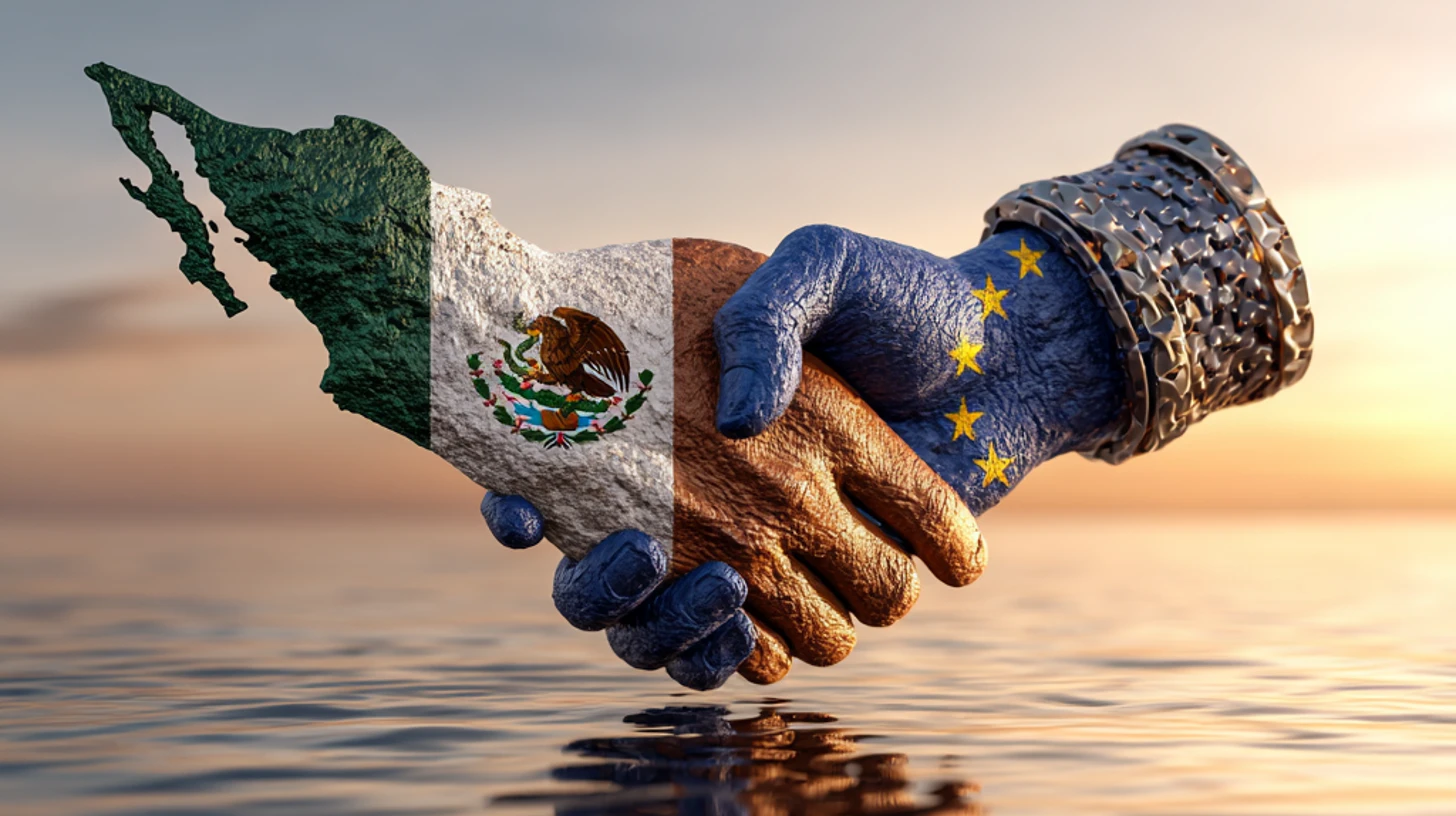
Mexico-Europe trade deal marks historic update
Why is the updated trade deal significant?
The updated trade deal between Mexico and the European Union (EU) represents a crucial step in adapting to 21st-century economic challenges. As approved by the 27 EU countries, this modernization seeks to address digitalization, energy transition, and technological trade, moving beyond the original framework established in 2000. This new agreement is a decisive move in fostering stronger economic and geopolitical ties, occurring amidst global trade tensions and complex supply chain dynamics. For Mexico, it strengthens links with a key economic bloc, while for Europe, it secures a strategic partner in Latin America.
What does the updated agreement include?
The revised agreement encompasses much more than just trade in goods. It broadens cooperation on political issues, investment, sustainable development, technological innovation, and economic security. Aiming to enhance market access for Mexican and European companies, it proposes a reduction in trade barriers and streamlines regulatory processes. This comprehensive framework emphasizes not only the exchange of goods but also fosters long-term cooperation in various sectors, aligning with global shifts towards sustainability and innovation.
Which industries will benefit most?
Key industries poised to benefit from this agreement include automotive, pharmaceutical, agro-food, aerospace, and technology. The removal of numerous tariffs and the opening of new opportunities for strategic industries stand to significantly boost bilateral trade, which could potentially grow by 35% over the next five years, according to business organizations. The EU remains Mexico’s second-largest trading partner and a significant source of foreign investment, with thousands of European companies operating in Mexico and numerous Mexican producers finding a valuable market in Europe.
Why is the deal crucial in the current context?
This agreement comes amid a tense international climate, marked by trade disputes among the U.S., Europe, and China, which have led countries to reassess their economic strategies. Mexico’s strategic geographical position, strong manufacturing capabilities, and proximity to North America make it an attractive partner for Europe. The aim is to build more resilient supply chains and reduce dependency on certain Asian markets. Europe seeks to diversify its trade relationships, while Mexico is positioned to leverage nearshoring trends, enhancing its role as a production and innovation hub.
What are the next steps for the agreement?
While receiving political approval marks a historic advance, the agreement still requires additional institutional steps before full implementation. Some commercial components could provisionally apply once formally signed, even as ratification processes continue. Beyond technicalities, this modernization reflects a profound transformation in Mexico-EU relations, emphasizing strategic alliances in technological cooperation, sustainability, and long-term economic stability.
How does the agreement reflect a changing relationship?
The updated trade deal illustrates a shift from mere product exchanges to building a strategic partnership. The focus now includes technological cooperation, sustainable practices, and stable investment environments. As the global economy becomes increasingly fragmented, this agreement underscores the importance of trust and collaboration between trading partners like Mexico and the EU. It embodies a commitment to mutual growth and adaptation in a rapidly evolving world economy.
What does this mean for global supply chains?
By reinforcing ties with Mexico, the EU aims to establish more resilient supply chains, reducing reliance on specific Asian markets and enhancing economic stability. For Mexico, this new arrangement could position it as a key player in global production and innovation networks. As recent logistical crises have shown, diversifying supply chain strategies is vital for economic resilience. This agreement allows both regions to manage risks better and capitalize on new opportunities presented by geopolitical shifts.
What is the broader impact of this deal?
Beyond immediate economic benefits, the Mexico-EU trade deal sets a precedent for future agreements, embracing modern challenges such as digital trade and sustainability. It signals a commitment to shared values in addressing climate change and fostering innovation. The deal is a testament to the growing importance of collaborative international relations. In an era marked by uncertainty, it emphasizes that mutual trust and partnership are crucial for navigating complex global landscapes, ensuring continued economic and political relevance.
Conclusion on the Mexico-EU trade agreement
In conclusion, the modernization of the Mexico-EU trade deal marks a strategic turning point for both regions, enhancing their global economic positions. By addressing contemporary challenges, the agreement creates a forward-looking framework that promises growth, stability, and deeper cooperation. This historic update not only strengthens economic ties but also underscores the mutual strategic interests of Mexico and Europe. In a world where alliances are increasingly vital, this agreement exemplifies how global partnerships can adapt and thrive amidst evolving international conditions.


