
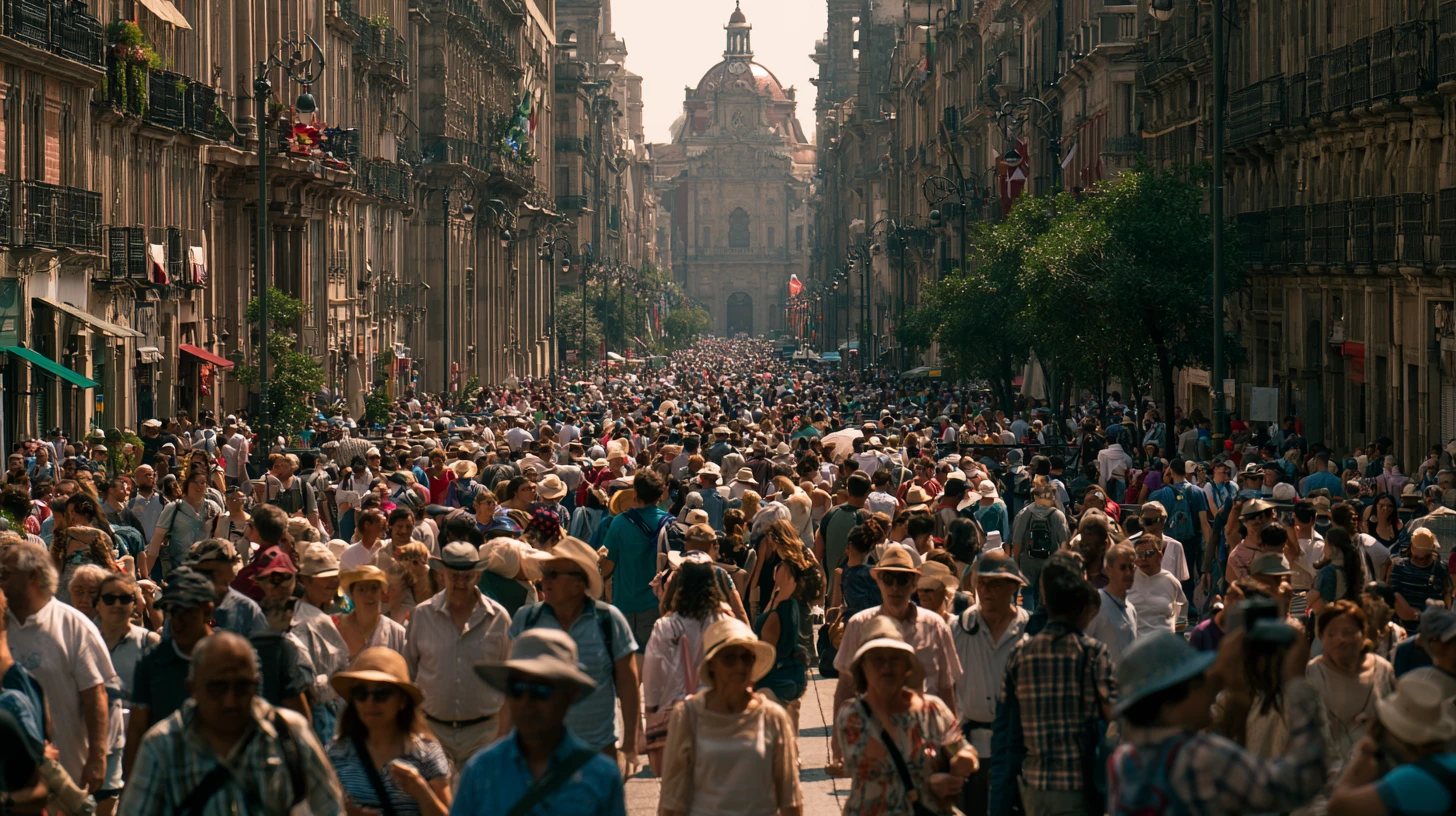
Tourism surge during 2026 World Cup in Mexico City
The 2026 World Cup marked an unprecedented influx of tourism to Mexico City. Between June 1 and July 15, 2026, the capital welcomed more than 4 million visitors. This period saw a 21% increase in tourist arrivals compared to the same timeframe in 2025. The surge in visitors brought a substantial economic impact, with heightened activity across various sectors. This growth is pivotal in positioning Mexico City as a vital international destination.
How many tourists visited Mexico City during the World Cup?
During the 2026 World Cup, Mexico City experienced an influx of 4,000,112 tourists. This figure underscores the massive appeal of both the global sporting event and the city’s cultural offerings. The influx represented a 21% increase compared to 2025. Such a surge highlights the city’s capacity to host large international events, making it a key gateway for global soccer fans arriving in the country.
What was the accommodation pattern for visitors?
Visitors had diverse accommodation preferences during the World Cup. Approximately 40% of the tourists stayed in hotels, equating to about 1.6 million people. Meanwhile, 33.8%, or roughly 1.353 million, utilized platforms like Airbnb. The remaining 26.2%, which accounts for 1.047 million visitors, opted to stay with family or friends. These figures reveal a varied approach to accommodation that leveraged traditional and modern lodging options.
Which countries did the tourists come from?
Tourists during the 2026 World Cup hailed from over 80 different countries. This international mix included a significant number of first-time visitors to Mexico, enhancing the city’s standing as a cosmopolitan destination. The diverse origins of these tourists also increased the city’s global visibility and cultural exchange, positioning Mexico City favorably on the international stage for future tourism growth.
How did the World Cup affect local interest and searches?
Online interest in Mexico City surged by 27% during the 2026 World Cup. This increase in search queries shows the city’s growing popularity as a travel destination. The heightened interest is not only significant for the duration of the World Cup but also suggests a lasting impact on future tourism. Prospective visitors are more aware of the city’s diverse attractions and vibrant atmosphere, setting the stage for ongoing tourism boosts.
What was the financial impact of the World Cup?
The financial impact during the 2026 World Cup was considerable, with international tourist spending rising by 61.2%. Sectors such as hospitality, entertainment, dining, and retail particularly benefited. The event’s economic influence extended citywide, amounting to an estimated 44 to 66 billion pesos in economic activity. These figures highlight the immense profitability that major international events can bring to host cities like Mexico City.
What job growth occurred during the World Cup?
The 2026 World Cup prompted notable job growth, with 100,756 new formal jobs created in Mexico City. The increased employment was particularly strong in the service sector, reflecting heightened demand in tourism, hospitality, and entertainment. This job creation underscores the broader economic benefits of hosting large-scale events, contributing to sustainable economic development and improved living standards for city residents.
How did public transportation use change?
Public transportation usage saw a significant uptick due to the influx of visitors. There were approximately 4.5 million additional rides, with 2.5 million of those on the Metro alone. Cards from 84 different countries were used in these systems, indicating the extensive international presence. This spike in public transport usage demonstrates the reliance on and importance of efficient infrastructure during major events.
What preparations did the city make for the event?
In preparation for the 2026 World Cup, Mexico City invested in over 2,000 infrastructure projects, totaling 23 billion pesos. These enhancements included improvements in urban mobility, public spaces, and services geared towards accommodating visitors and local residents alike. The city’s extensive planning and investment ensured it was well-equipped to handle the demands of hosting such a prominent global event.
The 2026 World Cup in Mexico City delivered substantial benefits, from increased tourism and economic gains to heightened international recognition. The city’s successful hosting of the event not only boosted its status as a premier international destination but also laid a foundation for future growth and prosperity in the tourism and service sectors.


