
Exploring the rich history of La Romita in CDMX
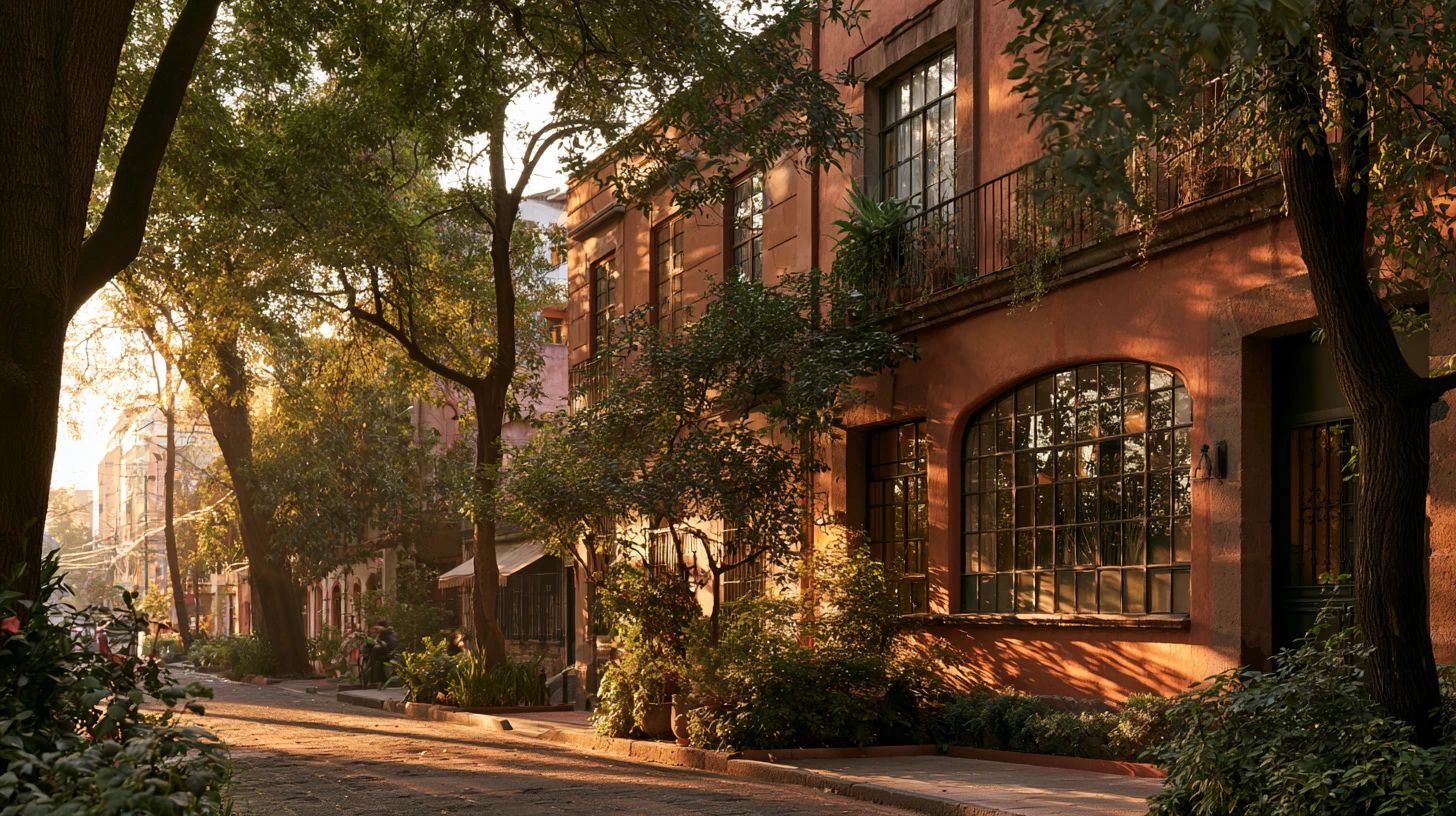
La Romita, a small neighborhood in Mexico City, stands as a symbol of resistance against the rapid urban transformation surrounding it. Located near the bustling Roma district, La Romita offers a stark contrast with its village-like atmosphere characterized by narrow streets, cobblestones, a central plaza, and an ancient chapel. This neighborhood is unique because it predates the modern city structures that now envelop it, maintaining its quaint charm and historical significance.
What makes La Romita unique in CDMX?
La Romita’s uniqueness lies in its ability to maintain a village-like aura amidst modernity. While surrounding neighborhoods develop rapidly, La Romita preserves its narrow, cobbled streets, making it feel like a step back in time. The plaza and ancient chapel add depth to the community’s historical ambiance. The area was originally a pre-Hispanic settlement known as Aztacalco, meaning “house of the herons,” an identity that remains intact despite the city’s evolution.
How did Aztacalco evolve into La Romita?
The transition from Aztacalco to La Romita is a tale of continuity and change. Post-Conquest, the area sustained its traditional structure, keeping its narrow streets and community feel. One key landmark, the Chapel of Santa María de la Natividad Aztacalco, built in the 16th century, is one of the oldest in the city. Unlike the modern Roma district that developed around it, La Romita maintained its character, standing as a reminder of the city’s layered history.
Why is it called La Romita?
La Romita’s name harks back to an impression made by early Spanish settlers. In the 18th century, a tree-lined pathway connecting Aztacalco to Chapultepec reminded the Spaniards of Roman roads in Italy, hence the name “La Romita.” This blend of local and foreign influence gave the neighborhood a unique identity. It simultaneously retained its Mexican essence while gaining an internationally-inspired name due to the spiritual connection perceived by those early settlers.
What are the legends associated with La Romita?
La Romita is shrouded in legend and lore, intriguing both locals and tourists. Stories of supernatural occurrences, including mysterious shadows and eerie whispers, add to the neighborhood’s allure. During colonial times, the area developed a reputation for danger, with tales of bandits and executions under the iconic ahuehuete trees. Despite lacking concrete evidence, these tales have been interwoven with the cultural fabric of the neighborhood, captivating imagination through generations.
Was La Romita always romanticized?
The romantic image of La Romita is relatively modern. Historically, it was regarded as a marginalized, perilous place. The modernization of Mexico City during the early 20th century left La Romita on the periphery, and its reputation was more associated with poverty and danger than charm. Today, however, its rustic streets are celebrated for their charm, showcasing the city’s transformative ability to rewrite stories from fear to fascination.
How did La Romita influence art and literature?
La Romita’s unique environment has influenced various creative domains, notably cinema and literature. In 1950, celebrated filmmaker Luis Buñuel shot parts of “Los Olvidados” in this neighborhood. The film spotlighted the harsh realities of life in Mexico City, with La Romita’s streets serving as the backdrop. Additionally, author José Emilio Pacheco included the neighborhood in “Las batallas en el desierto,” embedding it within Mexico City’s cultural narrative.
What is La Romita’s role in modern CDMX?
Today, La Romita integrates into the buzzing Roma Norte district, near bustling streets like Cuauhtémoc, Puebla, Morelia, and Durango. Despite the changes around it, La Romita retains a distinct character, offering a refuge of tranquility and heritage amidst urban sprawl. It serves as a cultural capsule, transporting visitors back in time and offering insights into the city’s evolution. This vibrancy is not just in its physical structures but in the continued life of its community.
Why is preserving La Romita important to CDMX?
Preserving La Romita is crucial as it embodies multiple historical epochs, from pre-Hispanic times through colonial, and into its current urban landscape. This neighborhood holds a mirror to the city’s broader history, each segment of its past layered in its architecture and stories. The endurance of its cultural and historical essence amidst ever-changing urban dynamics is a testament to its resilience and the importance of conserving such heritage as a form of cultural resistance.
In conclusion, La Romita stands as an emblem of memory and resistance in a rapidly evolving city. Its enduring charm, intricate history, and vibrant legends offer a unique perspective on the continuity and change within Mexico City. By immersing oneself in its streets and stories, one gains an appreciation for the way memory and history shape cultural identities, underscoring the significance of places like La Romita in the urban landscape.


