
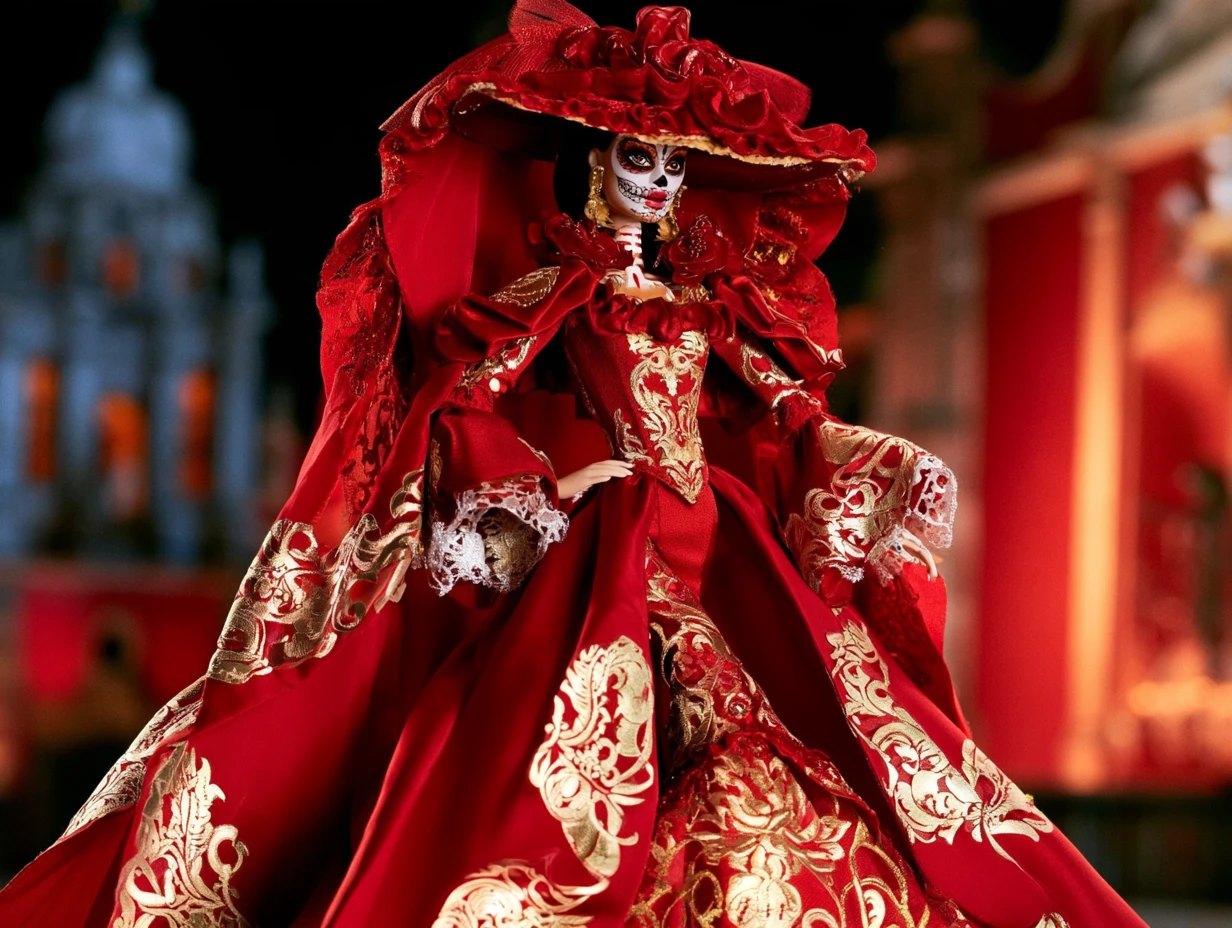
Barbie Catrina celebrates Día de Muertos 2026
In a splendid celebration of Mexico’s traditional Día de Muertos, Mattel has unveiled the Barbie Signature Día de Muertos 2026 Calavera Catrina. This extraordinary release pays tribute to the cultural heritage by merging the iconic Barbie design with the rich, symbolic elements of the Mexican festival. With intricate embroidery and vivid hues, this collectible exemplifies the artistry and significance of the event. Arriving on October 8, 2026, this exclusive piece is already a sought-after item among collectors and enthusiasts alike.
What makes Barbie Catrina unique?
The Barbie Signature Día de Muertos 2026 is a stand-out due to its detailed design that mirrors the traditional Catrina. Created by Angel Kent, the doll showcases a dark, intricately embroidered dress adorned with skeleton motifs, highlighted by vibrant red, orange, and yellow flowers. Charis Ceniseroz designed its special packaging to match the theme, incorporating elements reminiscent of traditional papel picado. These qualities contribute to its uniqueness and desirability as a collectible item.
How much does the Barbie Catrina cost?
The Barbie Catrina is priced at 2,999 pesos. Initially available exclusively at El Palacio de Hierro starting October 8, 2026, the doll might eventually appear in other Mexican retail outlets. Prospective buyers are advised to confirm availability and pricing, given its premium nature. This pricing reflects its status as a collector’s edition, appealing to those who value cultural representation in art.
Where can you buy the Barbie Catrina?
The Barbie Catrina was first sold at El Palacio de Hierro. While it may expand to other retailers in Mexico, there is no official confirmation yet. For collectors, checking stock and availability before visiting stores is essential. The exclusivity enhances its appeal, making it a coveted addition to the Barbie Día de Muertos series, which attracts cultural enthusiasts and doll collectors.
What’s included in the Día de Muertos collection?
The 2026 Día de Muertos collection by Barbie includes a series of dolls: the Calavera Catrina, another Barbie in red attire, and a Ken doll. Each piece comes equipped with a certificate of authenticity and retails for 2,199 pesos. This collection pays homage to the vivid artistic customs of the Mexican holiday, a blend of tradition and modernity that resonates culturally and historically among communities.
Why is the Catrina an icon?
The Catrina, a creation linked to José Guadalupe Posada, has evolved from popular graphics to a symbol in visual art, makeup, and contemporary design. This emblematic figure represents the fusion of indigenous and European traditions, offering a vibrant form of cultural expression. Barbie’s adaptation of Catrina into a collector’s item showcases the endearing legacy of the Mexican icon, further integrating it into global cultural dialogues.
What is the significance of Día de Muertos?
Día de Muertos, celebrated on November 1 and 2, is a time for honoring deceased loved ones with altars, marigolds, and colorful decorations. The holiday embodies Mexico’s rich history and familial traditions, emphasizing remembrance and legacy. This festival is marked by creative expressions, from decorative altars to artistic renditions such as the Barbie Catrina, merging ancestral customs with contemporary appeal.
How does Barbie engage with cultural heritage?
Barbie continues to explore cultural narratives by releasing thematically relevant dolls like the Catrina. This approach fosters global appreciation and understanding of diverse traditions. By incorporating authentic, cultural symbolism into these releases, Barbie not only expands its brand’s reach but also acts as an artistic vessel for conveying rich, historical narratives, which sparks dialogues about tradition and innovation.
How has Barbie’s representation evolved?
Barbie’s evolution has been marked by increased representation of diverse cultures and identities. The Día de Muertos collection exemplifies this commitment, offering dolls that reflect and celebrate cultural diversity. Such representations push the boundaries of traditional toy design, encouraging inclusive storytelling and providing broader cultural education to global audiences through a beloved brand.
In conclusion, Barbie Catrina 2026 stands as a vibrant homage to one of Mexico’s most cherished traditions, blending intricate design with deep cultural roots. It serves as a bridge between tradition and contemporary collectors, offering a unique representation of heritage through a global icon. As Barbie continues to enhance its cultural offerings, it solidifies its place as not just a toy but an ambassador of worldwide cultural appreciation.


