
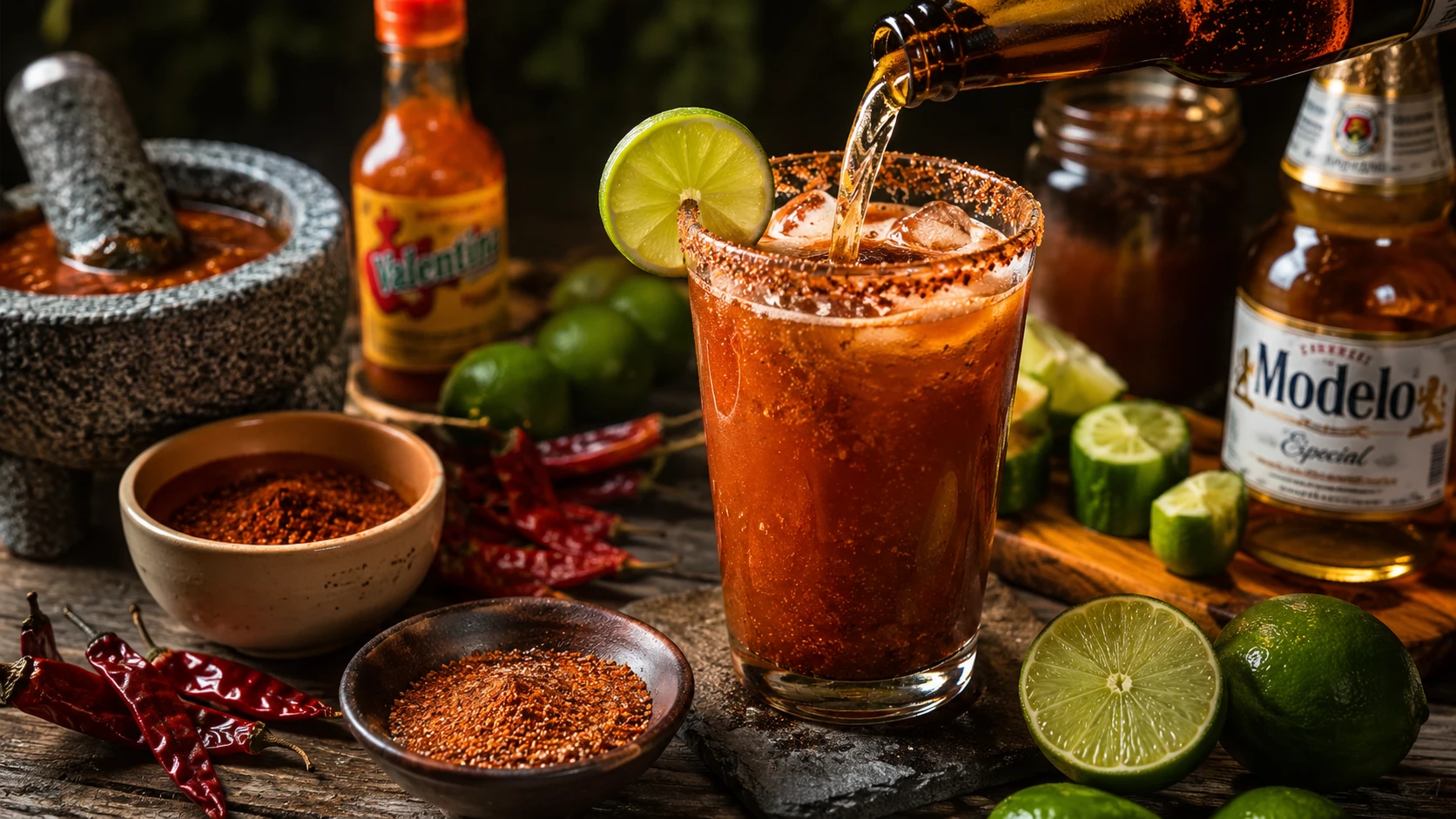
Exploring the origins of the iconic michelada
The michelada is a quintessential symbol of Mexican festivity, beloved for its refreshing blend of beer and various condiments. This beverage is renowned across the nation, found everywhere from bustling markets and lively cantinas to sunny beaches and vibrant stadiums. But its true origins are shrouded in mystery, sparking widespread debate. While several regions claim to be the birthplace of the michelada, the most supported story points to San Luis Potosí in the 1970s. This article delves into the storied past of the michelada, examining its humble beginnings, the colorful tales surrounding its creation, and its evolution into the cultural icon it is today.
Where was the michelada invented?
The most commonly accepted origin story for the michelada lies in San Luis Potosí. According to popular tradition, this flavorful beer concoction emerged in the 1970s. In the historic Club Deportivo Potosino, Michel Ésper, an avid tennis player, frequently sought a cooler way to enjoy his beer. The combination of beer with lime, salt, and ice that he requested gradually caught on with other club members. Over time, this inventive refreshment transcended local boundaries, spreading first throughout the city and then the entire country, firmly rooting itself in Mexican culture.
Who was Michel Ésper?
Michel Ésper played a pivotal role in the creation of the michelada. He was a regular at the Club Deportivo Potosino in San Luis Potosí. The story recounts how Ésper requested his beer served in a goblet called a chabela with lime, salt, and ice. Initially perceived as an oddity, the drink’s popularity soared. Fellow club-goers started ordering it as “la limonada de Michel,” which evolved into “michelada.” Michel Ésper’s contribution remains a key narrative in the birth of this now-iconic drink, as his name immortalizes his innovative idea from the 1970s.
What was in the original michelada?
The original michelada was far less complex than the versions available today. Its recipe was simple, consisting of only four ingredients: beer, lime, salt, and ice. This simplicity defined its early appeal and success. Over the decades, the michelada has evolved with a myriad of variations. Now, ingredients such as Worcestershire sauce, clamato, chamoy, and even shrimp or candies are incorporated across different regions. Despite the multitude of modern interpretations, the straightforward original remains a cherished classic.
What are alternative origin theories?
Several theories compete for the title of the true origin of the michelada. One story credits General Augusto Michel, who supposedly enjoyed beer with lime and condiments during the Mexican Revolution, as the inventor. Another theory suggests the name derives from the phrase “mi chela helada,” meaning “my cold beer.” Despite their intrigue, these stories lack the substantial backing enjoyed by the San Luis Potosí narrative. Nonetheless, they add rich layers to the cultural tapestry surrounding the michelada’s origins and enhance its mystique.
How did the michelada evolve?
The michelada’s evolution mirrors the diversity of Mexican culinary creativity. Once a local curiosity, it has transformed into a national treasure, with each region adapting the drink to its preferences. In some areas, micheladas might include unique salsas, fresh fruits, or local seafood. This constant reinvention has kept the drink relevant, allowing it to symbolize not only a refreshing beverage choice but also a canvas for regional expression. Today, the michelada embodies both tradition and innovation across Mexico’s vast gastronomic landscape.
What impact does the michelada have today?
Today, the michelada stands as a staple of Mexican culture, recognized and celebrated for its bold flavors and festive spirit. It appears in various social settings, from casual family gatherings to lively public events. This drink also enjoys international fame as a representative of Mexican mixology. Its adaptability has ensured its place in countless bars and restaurants, delighting patrons with its balance of salty, sour, and spicy notes. The michelada’s enduring popularity underscores its role as more than just a beverage—it’s a cultural symbol.
Where can you enjoy a michelada?
Micheladas can be found across the entirety of Mexico, a testament to their widespread appeal. Whether in a bustling urban market in Mexico City or a serene coastal cantina in Cancún, the presence of this drink is ubiquitous. Stadiums, beach resorts, and traditional eateries all serve distinct versions that reflect local tastes and preferences. Additionally, international venues, recognizing its global allure, feature micheladas on their menus, bringing a taste of Mexico to diverse audiences around the world.
Conclusion: The michelada’s lasting legacy
The michelada’s story is one of humble beginnings that grew to capture national and international imagination. From Michel Ésper’s refreshment at Club Deportivo Potosino to today’s myriad incarnations, each sip celebrates Mexican culture and tradition. While its origins might be debated, the drink’s significance is undisputed. The michelada continues to unite people across generations and borders, preserving its rich heritage in every lime-salted glass. It is a drink that not only quenches thirst but also tells a tale of creativity, community, and cultural pride.


