
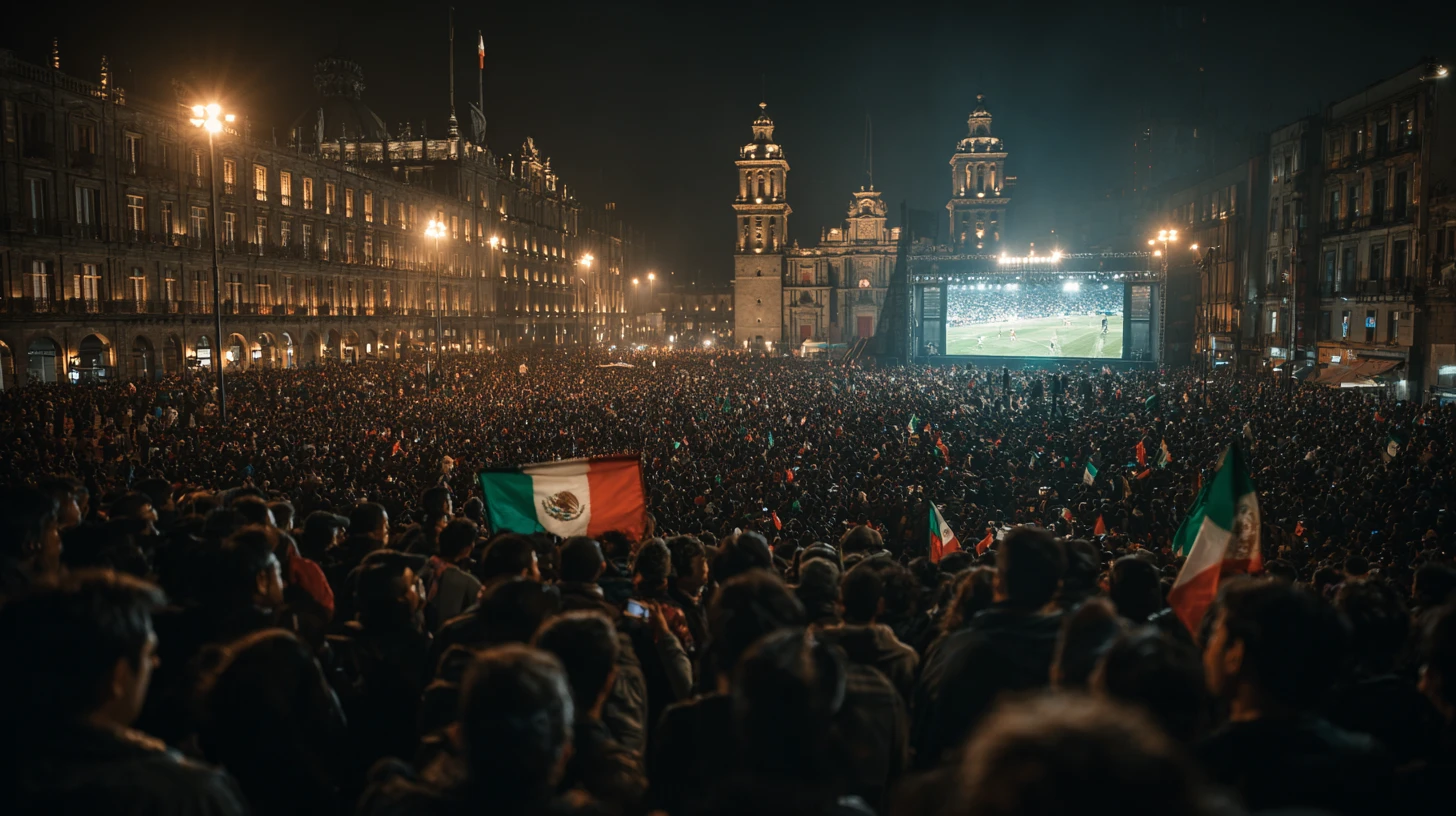
Mexico City plans public broadcasts for World Cup 2026
Mexico City is preparing to bring the excitement of the World Cup 2026 beyond the stadium walls. Clara Brugada, the city’s head of government, has announced that the capital has secured the necessary rights to publicly broadcast tournament matches, allowing thousands to watch for free. This move is designed to make the World Cup experience accessible to a broad audience, fostering a sense of community and inclusivity.
What is Mexico City’s plan for World Cup broadcasting?
Mexico City plans to offer public broadcasts of the World Cup 2026 to those unable to attend the games in person. Authorities aim to install large screens across the city in parks, squares, and community spaces. This strategy is part of a larger mission to create a “social World Cup” experience, ensuring that even those without access to stadium tickets can join in the festivities. Clara Brugada emphasizes that the initiative seeks to transform public spaces into hubs of football excitement throughout the event’s duration.
Why is Mexico City opting for this public broadcast strategy?
The public broadcast decision addresses the growing challenge of sports events being trapped behind streaming platforms and paywalls. As sports events increasingly move to subscription-based services, the city administration wanted a model that fosters inclusivity and accessibility. By creating free viewing options, Mexico City hopes to combat illegal streaming and piracy that often accompany major tournaments. In doing so, officials are prioritizing community engagement over profit, which aligns with public interests and the global football culture.
How will the public broadcasts enhance community engagement?
Beyond the actual games, the project aims to foster a collective atmosphere around football in Mexico City. The introduction of viewing areas in public places will provide opportunities for residents and visitors to enjoy the matches together, potentially drawing crowds similar to other significant sporting events in Mexico. These communal gatherings are expected to strengthen local tourism and support small businesses, as increased foot traffic could benefit nearby restaurants and shops. This initiative represents a broader effort to showcase Mexico City’s vibrant culture to both locals and international visitors.
What economic impacts are anticipated from this initiative?
The World Cup broadcasts are anticipated to bolster local economies by attracting both residents and tourists to community viewing areas. These gatherings are likely to increase spending in local businesses, particularly in hospitality and retail sectors. Restaurants, cafes, and vendors near viewing locations may experience higher revenues during the tournament. Moreover, this initiative could enhance Mexico City’s global image as a cultural hub, promoting it as an attractive destination for international tourists during and after the tournament.
What are the challenges associated with public broadcasts?
One of the main challenges is the financial aspect, as the exact cost of acquiring the broadcasting rights has not been disclosed. This has raised questions about public spending priorities, especially in light of other urban challenges such as mobility, safety, and infrastructure. While the initiative is popular among many, there is a debate regarding whether these funds could be better allocated to address more urgent issues. Transparency and public communication will be pivotal in addressing these concerns and ensuring continued support for the project.
How does this fit into the larger World Cup 2026 context?
The 2026 World Cup will be historic, featuring 48 teams and being co-hosted by Mexico, the United States, and Canada. Mexico City is aiming to be a standout venue, and the public broadcast strategy is one part of this ambition. Mexico will make history as the first country to host three World Cup inauguration events. The initiative aligns with the broader objective of making the World Cup an inclusive, accessible, and unforgettable event across multiple host cities. By expanding access beyond stadiums, Mexico City could set a precedent for future international sporting events.
What role will FIFA play in this initiative?
FIFA is expected to complement the city’s efforts with its official activities, including a significant Fan Festival in Mexico City’s iconic Zócalo. This festival will feature live broadcasts, interactive events, and celebrations to engage both fans and tourists. These activities are expected to draw significant crowds, further solidifying Mexico City as a primary World Cup destination. The collaboration between local authorities and FIFA will be essential to the seamless execution of these events, ensuring that they add value to the community and the World Cup experience.
What can we expect in the future?
Looking ahead, it seems likely that public broadcasts of major events could become more common, particularly as cities look to balance the exclusivity of paid broadcasts with public accessibility. Success in Mexico City may encourage other cities to adopt similar models, potentially reshaping how major events are shared worldwide. For Mexico City, the endeavor symbolizes a commitment to inclusivity and community spirit. The World Cup 2026, with its embrace of public broadcasts, might just redefine how the world enjoys sports, together and in community spaces.
In conclusion, Mexico City’s initiative to offer public broadcasts for the World Cup 2026 demonstrates a forward-thinking approach to event accessibility and community engagement. By transforming public spaces into vibrant gathering spots, the city is poised to create a unique and inclusive World Cup experience. While challenges remain, the commitment to fostering a collective football atmosphere highlights a broader trend toward making significant events accessible to all. This strategy has the potential to not only enhance local economies but also to position Mexico City as a model for future global sporting events.


