
Floriculture blooms for 2026 World Cup
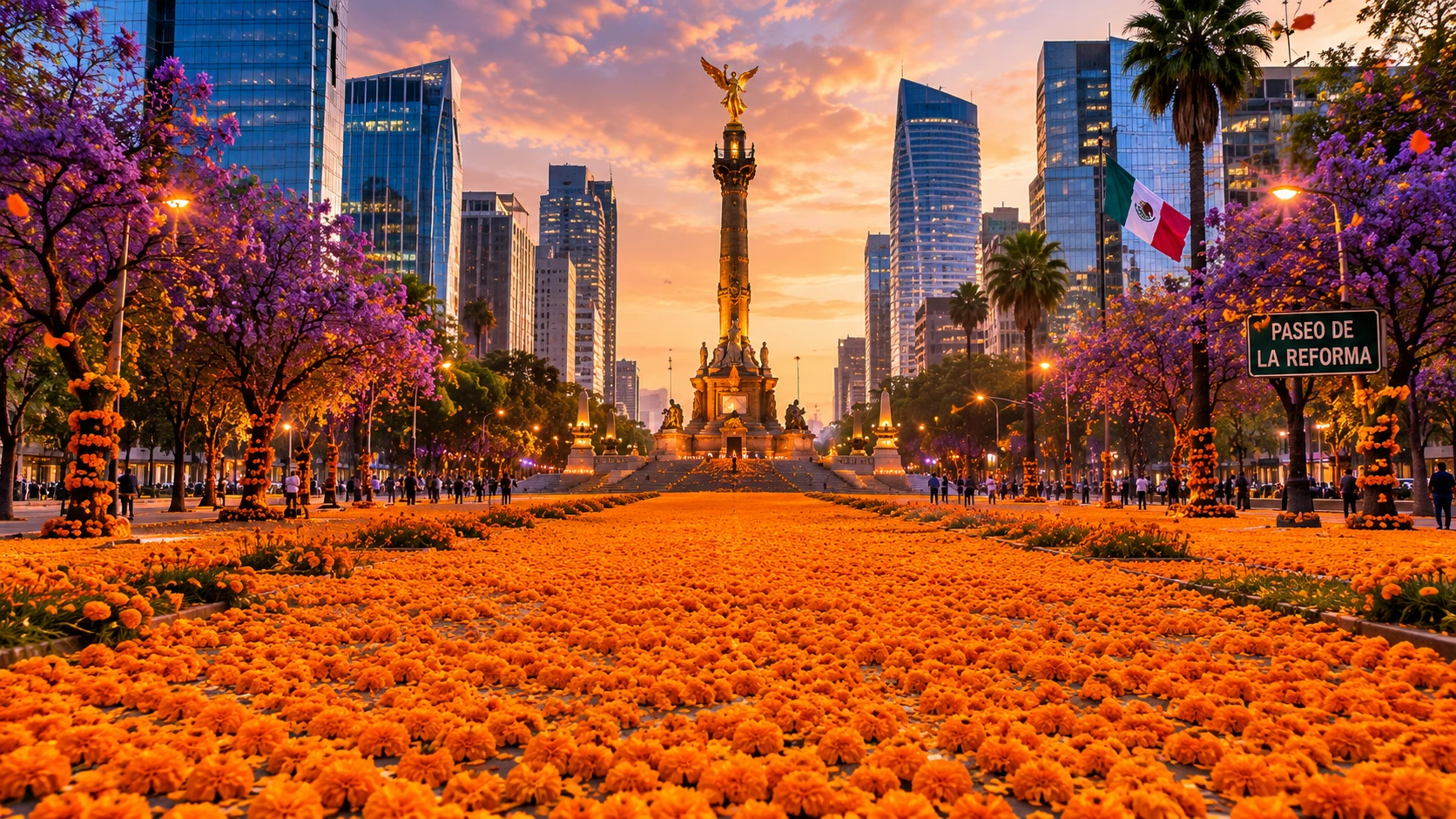
The 2026 World Cup in Mexico City will be memorable not just for the sports events but for the vibrant orange hues gracing its streets. The Paseo de la Reforma will be adorned with flowers like cempasúchil, creating vivid displays that go beyond stadium walls. This initiative connects the event with the cultural roots of Xochimilco, where florists have worked tirelessly to present their artistry to a global audience. Here, we delve into how this community transforms the cityscape during the World Cup.
Why is Paseo de la Reforma turning orange?
The Paseo de la Reforma is set to be illuminated by flowers, primarily cempasúchil, during the 2026 World Cup. This initiative is not due to screens or advertisements but thanks to a deliberate and visionary change in the traditional flower cycle. Alejandro Ovando, a local from Xochimilco, played a key role in this transformation, aiming to enrich the visitor experience with local culture. The plan ensures millions of fans will witness a unique, floral presentation that speaks volumes about Mexico’s horticultural pride.
Who are the people behind this floral display?
San Luis Tlaxialtemalco, a lesser-known village in Xochimilco, is home to a vibrant community known as the petlaxiles. These residents have cultivated ornamental flowers for generations. Alejandro Ovando, a 30-year-old inspired by family tradition, spearheaded this initiative to showcase their work on a global platform. Together with his father, Celestino Ovando, and many local floriculturists, they used their expertise to ensure the timing and vibrancy of the blooms coincide with the World Cup.
What challenges did Xochimilco florists face?
The floral exhibition did not come without challenges. The area’s floriculture relies heavily on unpredictable lakebed climates, with threats such as floods and unseasonal rains. Coordinating the growth and blooming cycles required precise timing, leaving no room for error. Additionally, financial resources were initially limited, with Alejandro and his family funding early stages themselves. However, their passion for showcasing the beauty of Xochimilco at the World Cup kept them determined.
How does this project benefit the local community?
The “Un Millón de Flores” program supports 500 floriculturists from Xochimilco, offering them a significant economic boost during the World Cup. The initiative advocates for biodiversity corridors across Mexico City while promoting agricultural development and conservation efforts. By integrating local florists into the World Cup’s fabric, the economic ripple effect extends beyond sports, directly benefiting communities often sidelined in major events.
What is Alejandro Ovando’s vision for the future?
Alejandro Ovando envisions a future where young floriculturists continue the painstaking tradition. Despite the generational disinterest threatening this art, Alejandro sees the World Cup as more than an economic opportunity. It is a cultural showcase that places Xochimilco at the forefront of international visibility. He hopes this exposure will inspire younger generations to appreciate and engage in the cultural heritage of floriculture, ensuring its continuity.
How does this floral showcase impact tourism?
The floral display will attract global tourists to Mexico City, offering a sensory experience intertwined with sporting excitement. As tourists roam the bustling avenues, experiencing fragrances and colors they may have never seen, the World Cup transcends a mere sporting event. This integration of native flora enriches the touristic narrative and leaves an indelible mark of Mexican culture and natural beauty. These experiences are invaluable for promoting local tourism and cultural identity.
Why is cempasúchil significant?
Cempasúchil is crucial in Mexican culture, often linked to the Day of the Dead. By featuring it prominently in the World Cup decorations, Mexico City underscores this cultural iconography. The bright orange flower symbolizes warmth and the vibrant nature of Mexican hospitality. The timing of its bloom during the World Cup adds an emotional layer of tradition intersecting modern global events, inviting visitors to appreciate the deep cultural narratives intertwined with Mexico’s landscapes.
Will this impact Xochimilco’s cultural heritage?
The World Cup spotlight on Xochimilco’s florists reinforces the area’s cultural heritage. Through their hands-on involvement, residents of San Luis Tlaxialtemalco integrate their legacy into the global stage, showcasing the area’s unique contributions. It’s more than a sporting event; it’s a testament to the cultural preservation through artistry. This occasion might inspire increased interest in preserving Xochimilco’s traditions and passing them down to future generations, ensuring their survival amidst rapid urbanization.
The 2026 World Cup will leave a lasting legacy beyond the matches played on the field. With the petlaxiles’ vibrant displays, Xochimilco asserts its cultural identity proudly and creatively. As visitors capture these unforgettable scenes, the essence of Mexico flourishes before the world, transforming the World Cup into a grand celebration of tradition, heritage, and local artistry. This endeavor represents hope and continuity for traditional practices, inviting the world to embrace Mexico’s vivid cultural tapestry.


