
Botticelli’s hidden masterpiece in CDMX museum
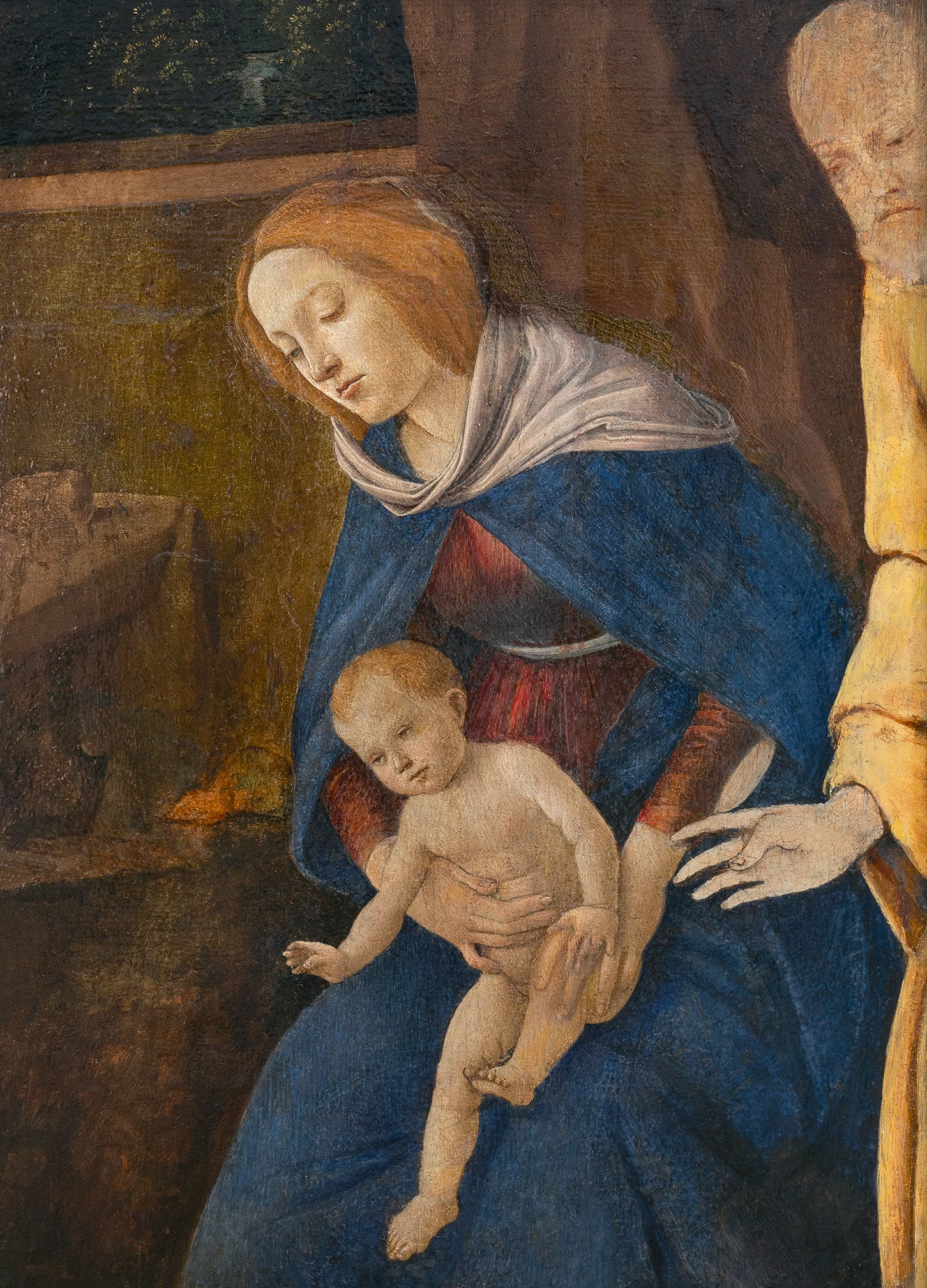
An extraordinary revelation came to light when a small painting housed in Mexico City’s Museo Nacional de San Carlos was identified as an original Botticelli. For decades, this Renaissance artwork, measuring just 51.3 by 38 centimeters, sat in silence, thought to be from Botticelli’s workshop. New findings, however, confirmed it was indeed crafted by the great master himself, adding a significant work to Mexico’s cultural repository and Latin America’s only public Botticelli.
What is Botticelli’s hidden masterpiece?
The painting, titled ‘La Sagrada Familia,’ portrays the Virgin Mary, child Jesus, and Saint Joseph. Originally part of a larger composition related to ‘The Adoration of the Magi,’ a popular Renaissance theme, the piece found its way to Mexico in 1971. It was donated by descendants of Swedish businessman Axel Leonard Wenner-Gren. The work remained largely overlooked until 2025 when art historian Christopher Daly reattributed it to Botticelli himself, shifting its perception entirely.
How was Botticelli’s authorship confirmed?
Art historian Christopher Daly led an investigation in 2025, employing rigorous technical analysis which unveiled that ‘La Sagrada Familia’ was not merely associated with Botticelli’s circle but created by the master himself. Daly’s research reshaped how the painting was seen and appreciated. Prior to this, the work was underappreciated, viewed as a mere relic of European art. Now, it stands as a testament to Botticelli’s mastery, enriching Mexico’s cultural landscape.
Why is this discovery significant for Mexico?
This discovery is a milestone for Mexico, making the Museo Nacional de San Carlos the custodian of the only public Botticelli painting in Latin America. It strengthens cultural ties between Mexico and Italy and offers an accessible window into Renaissance art. This revelation also elevates the museum’s status, drawing art enthusiasts and historians worldwide. The painting rejuvenates discussions about the presence and influence of European masterpieces in Latin America.
Where can you see Botticelli’s work?
‘La Sagrada Familia’ is exhibited at the Museo Nacional de San Carlos, located at Avenida México Tenochtitlán 50, Colonia Tabacalera, Mexico City. The museum operates from Tuesday to Sunday, between 10:00 AM and 6:00 PM. It offers a general admission fee of 75 pesos, although entry is free on Sundays. Visitors can immerse themselves in a blend of vibrant history and exquisite art in one of Mexico’s most architecturally significant neoclassical buildings.
What makes ‘La Sagrada Familia’ unique?
The painting’s simplicity and elegance lie in its portrayal of the Holy Family, a cornerstone theme of Christian art. Despite its modest size, it captures the essence of Botticelli’s artistic style. It invites viewers to appreciate the subtleties of Renaissance artistry, magnified by its unique history. As part of the exhibit ‘(Des)Ordenar la coleccion desde el genero,’ it challenges and enriches current discourse on gender and art collection practices.
Who donated the Botticelli painting to the museum?
The painting arrived in Mexico thanks to the family of Axel Leonard Wenner-Gren. In 1971, they donated it to the Mexican government, further enriching the nation’s artistic heritage. Wenner-Gren, a Swedish entrepreneur, had acquired a vast art collection during his lifetime. This gesture contributed significantly to Mexico’s cultural offerings, making such high-caliber European art accessible to the public, nurturing cultural appreciation and education.
How does the museum highlight this artwork now?
The Museo Nacional de San Carlos emphasizes ‘La Sagrada Familia’ in its permanent collection. This recognition allows the painting to gain the prominence it deserves. It is highlighted within the context of Renaissance art, offering visitors comprehensive educational content through displays and descriptive panels. By doing so, the museum ensures that Botticelli’s work is not only preserved but also celebrated, drawing attention to its historical and cultural significance.
What are the broader implications for art history?
The authentication of ‘La Sagrada Familia’ as a Botticelli masterpiece serves as a reminder of the continual evolution in art attribution studies. It underscores the importance of technological advancement in uncovering new details about historical artworks. This revelation invites art historians to revisit collections worldwide, potentially uncovering more hidden gems. It accentuates the intertwining of history and contemporary research, showcasing evolving narratives within the art world.
In conclusion, the identification of Botticelli’s original work at the Museo Nacional de San Carlos is a landmark event. It enriches both Mexico’s and the art world’s history, offering a unique bridge between Renaissance Florence and modern Mexico City. The revelation elevates cultural dialogue and appreciation of global artistic heritage. As a result, the museum has not only refined its collection but has also opened a door for further discoveries, inviting a broader audience to engage with art history’s enduring legacy.


