
Mexico City debuts world’s largest holographic mural
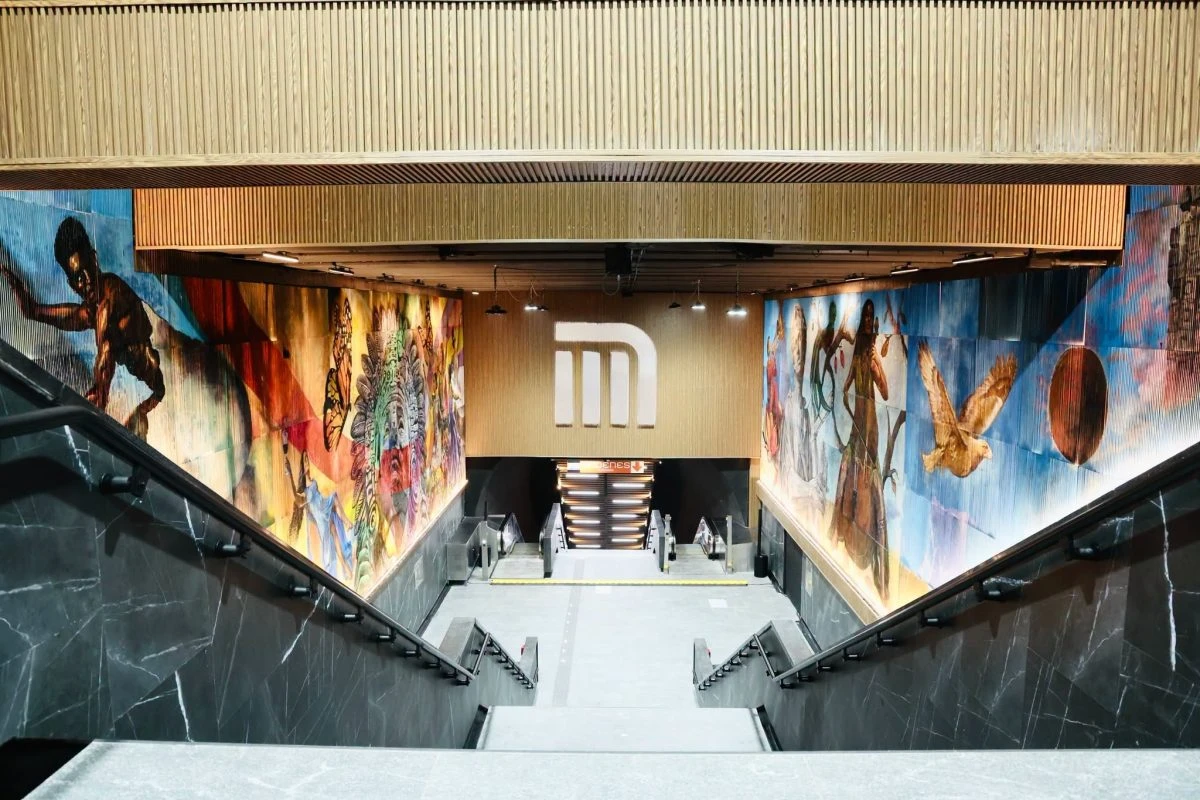
Apoteosis, the world’s largest holographic mural, has been unveiled at the CDMX Metro. This artistic milestone reflects Mexico City’s innovative spirit. The mural, located at the Auditorio station on Line 7, was initiated by Mayor Clara Brugada. Created by artist Federico Kampf, Apoteosis symbolizes the transformative journey from human to divine. The mural is now a permanent fixture, reinforcing the cultural identity of the Metro system.
What makes Apoteosis a record-breaking mural?
Apoteosis, located in the CDMX Metro, is officially recognized by Guinness World Records as the largest holographic mural. Covering 750 square meters, it comprises 12,000 acrylic pieces, each meticulously articulated. This extensive use of materials not only sets a world record but also offers a unique visual experience, shifting narratives based on the viewer’s position. The sheer size and intricate design distinguish it as a monumental piece within urban spaces.
Where can you find Apoteosis in CDMX?
Apoteosis is situated at the Auditorio station on Line 7 of the CDMX Metro. This location was chosen to optimize accessibility and visibility for commuters and visitors. The station reopened in May following a total renovation, which included the installation of this impactful mural. Its strategic placement ensures that millions can engage with its artistry daily, making it a staple of public art in Mexico City.
Who is the artist behind Apoteosis?
Federico Kampf is the creative force behind Apoteosis. Renowned for his innovative approach, Kampf explores themes of consciousness, divinity, and human transformation in his work. Each of the three narratives within Apoteosis represents different facets of these themes, inviting viewers to reflect on concepts of self-awareness and divine potential. Kampf’s vision extends the mural beyond mere aesthetics, encouraging intellectual engagement.
What themes does Apoteosis explore?
Apoteosis presents three distinct visual stories, each addressing critical philosophical inquiries. The narratives examine consciousness, divinity, and self-transformation, prompting viewers to consider existential questions. Kampf’s exploration includes the notion of becoming divine through one’s life mission, a journey evident in the mural’s dynamic shifts in narrative. This conceptual focus invites deeper contemplation about human potential and spiritual growth.
How does Apoteosis influence the cultural landscape of CDMX?
Apoteosis enhances the cultural richness of Mexico City by integrating art into public transit. Mayor Clara Brugada emphasized that it symbolizes the symbolic union of diverse cultures and eras through shared questions of beauty and time. By embedding this influential piece within the Metro, the city embraces an artistic legacy that intertwines daily life with cultural enrichment. This installation underscores the Metro’s role in promoting art and heritage.
What technological innovation does Apoteosis feature?
The mural’s holographic effect is a groundbreaking achievement in public art technology. Each of the 12,000 acrylic pieces contributes to a dynamic viewing experience, where the visuals transform based on the observer’s stance. This technological innovation not only enriches the aesthetic appeal but also enhances viewer interaction, establishing Apoteosis as a pioneering model in blending technology with urban art, setting a new standard for interactive public installations.
What’s next for art in the CDMX Metro?
With Apoteosis as a part of its infrastructure, the CDMX Metro plans to expand its art initiatives. By integrating more art into its stations, the Metro aims to create immersive cultural experiences for passengers. Future projects will likely draw on the successes of Apoteosis, encouraging dialogue between different cultural movements and enhancing the city’s artistic footprint. This strategic directive aligns with the city’s commitment to fostering a vibrant public space.
What impact does Apoteosis have on daily commuters?
Daily commuters in Mexico City now have the opportunity to experience the world’s largest holographic mural during their routine travels. Apoteosis transforms the Auditorio station into more than a transit point—it’s a cultural destination. This exposure to art in everyday life can inspire contemplation and engagement, improving the commuting experience by integrating beauty and thoughtfulness into the urban environment.
The inauguration of Apoteosis marks a significant chapter in Mexico City’s artistic landscape, underscoring its role as a cultural hub. This project not only highlights the city’s commitment to public art but also serves as a testament to innovation, creative collaboration, and community engagement. As more visitors and commuters interact with Apoteosis, the mural is poised to become a pivotal symbol of Mexico City’s dynamic artistic identity.


