
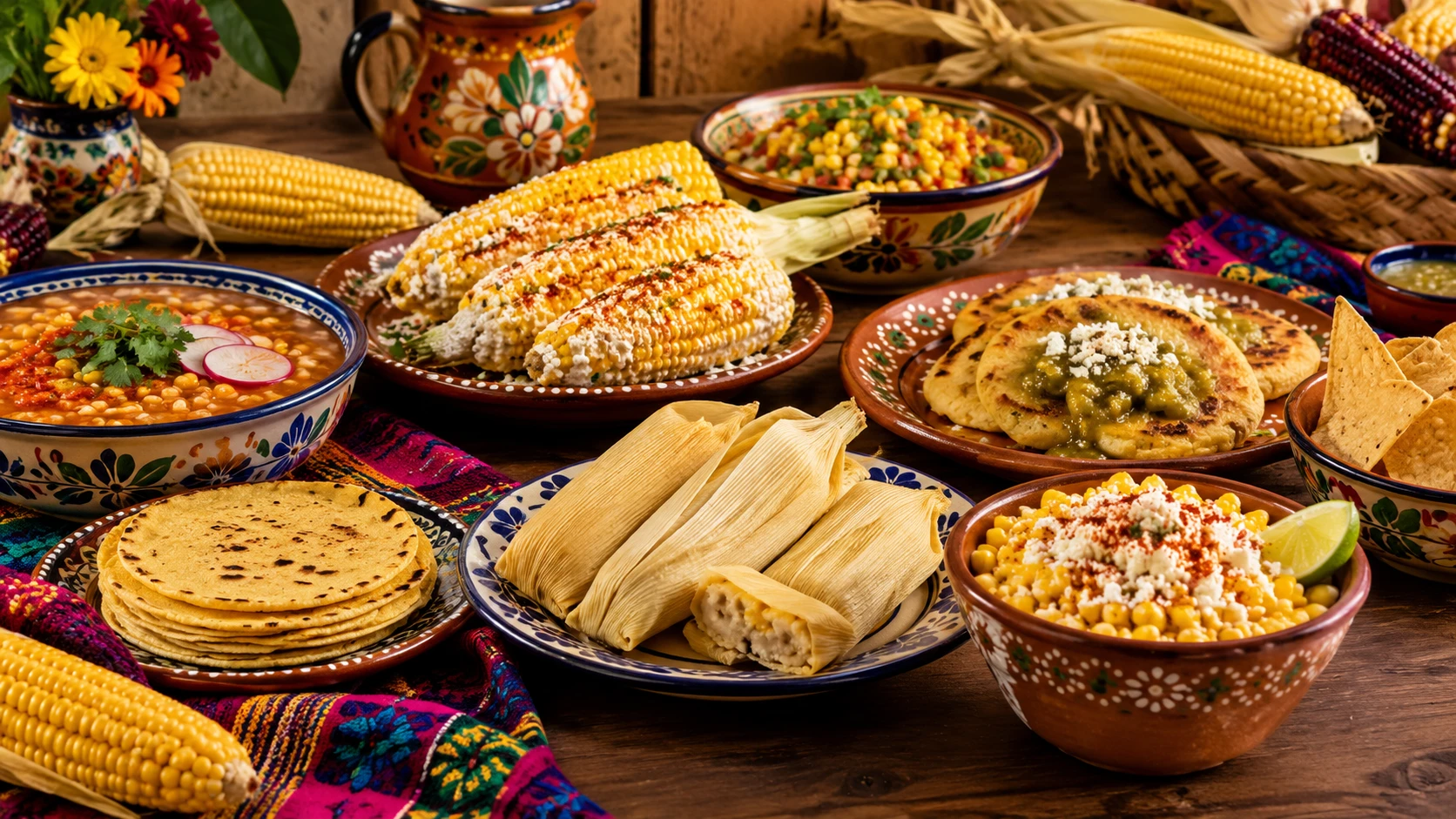
Mexican dishes born from corn
The diversity of Mexican cuisine owes much to one crucial ingredient: corn. As a staple in nearly every aspect of Mexican culinary tradition, corn is transformed in innumerable ways. It manifests in everything from daily staples like tortillas to ceremonial dishes, each carrying unique regional flavors. Corn, domesticated in Mesoamerica thousands of years ago, remains vital, cultivated across Mexico’s 32 states. With 100 corn-based foods to explore, we unveil an array of cultural richness and culinary ingenuity that defines the Mexican pantry today.
What makes tortillas a staple in Mexican cuisine?
Tortillas are more than just a staple; they are the backbone of many Mexican meals. With origins tracing back thousands of years, this versatile base complements a plethora of dishes. Mexico produces over 13 million tons of corn annually, a significant portion of which is transformed into tortillas. This daily food item is consumed in 94% of Mexican households, making it an indispensable part of the national diet. From tacos to quesadillas, tortillas serve as the canvas for innumerable gastronomic creations.
How does nixtamalization enhance corn dishes?
Nixtamalization, an ancient process dating back to 1500 BC, is integral to transforming corn. By cooking corn with lime, it yields masa, which is more nutritious and pliable. This technique has been pivotal in creating dishes like tamales, sopes, and tlacoyos. It not only improves the flavor and texture of corn-based products but also increases nutritional content, particularly calcium and amino acids. The process continues to be a cornerstone of Mexican culinary heritage today.
What are the vibrant varieties of tamales in Mexico?
Tamales are a diverse and cherished Mexican tradition, with more than 500 varieties across the country. Each tamal reflects regional tastes, such as the corundas from Michoacán or the pibipollo from Yucatán. This dish exemplifies cultural diversity, with fillings ranging from savory meats to sweet fruits. Celebratory in nature, tamales are often prepared during festive occasions, such as Dia de los Muertos and Christmas, highlighting their cultural significance and communal aspect of preparation.
How are beverages crafted from corn in Mexican culture?
Corn-based beverages are integral to Mexican traditions. Atole, dating back to Aztec times, is a comforting drink made with masa, enjoyed during cold mornings or festivals. Another traditional drink is pozol, common in southern Mexico, valued for its refreshing qualities. Tejate, a ceremonial drink from Oaxaca, symbolizes deep-rooted cultural traditions. These beverages not only provide nutritional benefits, but also hold cultural importance through rituals and daily consumption, enhancing the rich culinary tapestry of Mexico.
Why are street foods essential to Mexico’s culinary landscape?
Mexican street food culture is robust, with corn-based items like elotes and tacos de canasta capturing everyday life. Street vendors, selling everything from esquites to tacos al pastor, contribute significantly to Mexico’s economy, providing affordable, quick meals. According to a 2022 study, street food represents over 30% of the country’s informal employment. These foods are more than convenience; they reflect regional tastes and traditions, contributing to the dynamic and accessible nature of Mexican cuisine.
In what ways are corn-based desserts unique in Mexico?
Mexican desserts offer a sweet reflection of corn’s versatility. Treats like pan de elote and gorditas de nata showcase the grain’s potential beyond savory applications. Gorditas de nata, found in markets across the country, celebrate these sweetened delights, while capirotada made with tortillas offers a unique twist on traditional recipes. These desserts underscore how corn integrates into all culinary moments, from festive celebrations to daily indulgences, enriching Mexico’s culinary repertoire.
How do regional corn varieties influence Mexican dishes?
Mexican dishes’ diversity is partly due to the range of corn varieties cultivated locally. Each region boasts distinct strains, like Oaxaca’s blue corn or Yucatán’s sweet yellow corn. These variations not only affect the dishes’ color and flavor but also symbolize regional identity. A report by the National Institute of Agricultural and Livestock Research indicates that over 59 native maize varieties exist, standing as a testament to Mexico’s rich agricultural heritage. The choice of corn becomes a narrative of tradition and innovation.
What role does corn play in ceremonial and festive dishes?
Corn is central to many Mexican ceremonial dishes, representing sustenance and cultural continuity. Traditional dishes like pozole or tortillas ceremoniales are crafted carefully for special occasions, reflecting spirituality and community. Celebrations like the Elote Festival in August highlight corn’s cultural prominence. These occasions allow communities to share heritage and culinary practices, emphasizing belonging and identity through food. Such dishes serve as cultural anchors, connecting Mexicans across times and places.
In conclusion, corn is foundational to the Mexican diet and culture. Its versatility and significance are evident across 100 varied dishes, spanning everyday meals to ceremonial feasts. Corn’s legacy in shaping Mexican cuisine cannot be overstated, symbolizing unity and diversity. As culinary practices evolve, corn remains a vital link between past and present, reflecting Mexico’s rich agricultural traditions and diverse cultural landscape.


