
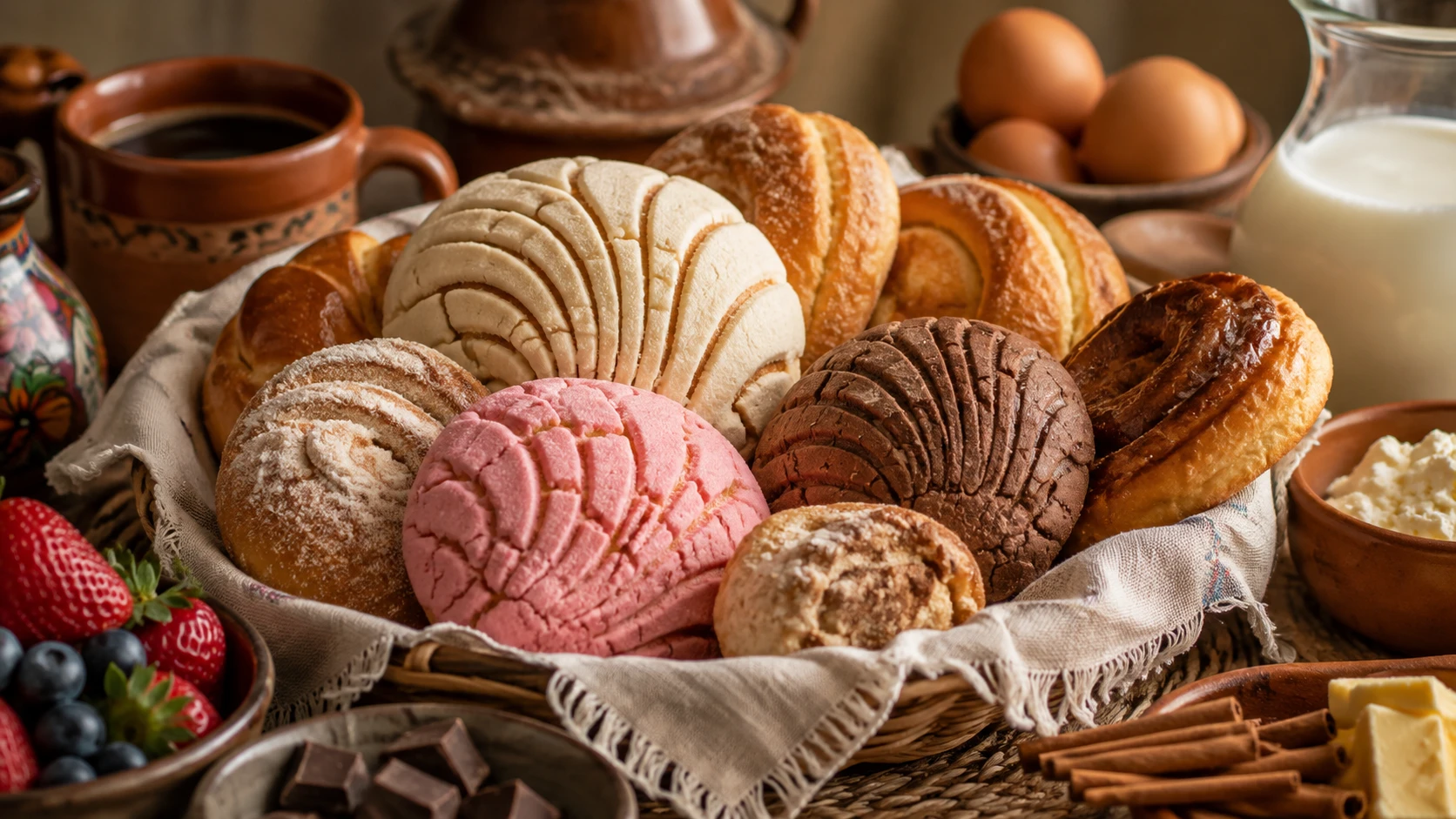
Mexican sweet bread seeks cultural heritage status
The pursuit to recognize Mexican sweet bread (pan dulce) as Intangible Cultural Heritage marks a significant cultural milestone for Mexico City. This initiative is led by the Secretaría de Cultura de la Ciudad de México and the Cámara Nacional de la Industria Panificadora y Similares de México, aiming to preserve the extensive cultural universe surrounding this beloved tradition. With its widespread presence across daily life in Mexico, from breakfasts to communal gatherings, pan dulce holds an integral place in Mexican culture, embodying both historical tradition and contemporary evolution.
Why is Mexican sweet bread being considered for cultural heritage status?
The initiative to declare Mexican sweet bread as cultural heritage is driven by its deep-rooted significance in Mexican culture. As of August 2026, over 2,400 varieties of pan dulce have been documented, each with unique regional and cultural ties. The recognition seeks not only to honor the bread itself but also to preserve the skills, knowledge, and cultural practices involved in its making. By possibly formalizing this status by September 2026, the authorities aim to protect a tradition that resonates intrinsically with Mexican identity.
What role does the Secretaría de Cultura play in this initiative?
The Secretaría de Cultura de la Ciudad de México spearheads the initiative, collaborating with the Cámara Nacional de la Industria Panificadora y Similares de México. Their collaboration highlights the importance of a formal acknowledgment of the craft and cultural practices surrounding pan dulce. They plan to document and preserve the techniques involved in the creation of pan dulce, marking a decisive step towards international recognition, including potential UNESCO designation.
How does Mexican sweet bread reflect cultural diversity?
Mexican sweet bread reflects a rich diversity in its thousands of variations, each embodying regional flavors and cultural narratives. For instance, while the concha is widely recognized, other varieties such as orejas, cuernitos, and campechanas represent different regional identities and historical influences. Pan dulce also plays a significant role in various Mexican celebrations, linking it directly to the country’s festive traditions and community gatherings.
What are the potential impacts of this heritage status?
Should pan dulce achieve cultural heritage status, it would encourage the preservation of baking techniques and reinforce the role of small bakeries as cultural custodians. The acknowledgment would emphasize the importance of traditional craftsmanship, ensuring the continuity of skills passed down through generations. This preservation effort not only maintains cultural heritage but also enhances local economies by supporting traditional bakeries.
What does the process of recognition involve?
The process of recognizing pan dulce as Intangible Cultural Heritage involves detailed documentation of baking techniques, historical narratives, and cultural practices associated with its production. Before seeking UNESCO International Intangible Cultural Heritage status, the proposed recognition must first be published in the Gaceta Oficial de la Ciudad de México in September 2026. This step is crucial for establishing pan dulce as a formal cultural symbol within Mexico City and potentially worldwide.
How is the evolution of pan dulce celebrated?
Pan dulce showcases its evolution through modern experimentation and traditional continuity. Contemporary bakeries innovate with new ingredients and presentations, while traditional techniques are maintained by family-run operations. This balance exemplifies a living tradition, adaptable over time yet deeply rooted in cultural history. Such evolution is celebrated as it allows the tradition to remain relevant and appreciated by newer generations.
What events support the heritage initiative?
The First Festival of Mexican Sweet Bread, scheduled for September 11-13, 2026, at the Monumento a la Revolución, symbolizes the cultural celebration of pan dulce. The festival aims to bring people together, highlighting the communal aspect of consuming and enjoying pan dulce. Through festivals, the legacy and modern interpretations of pan dulce are showcased, fostering greater community engagement and cultural pride.
What is the significance of preserving baking knowledge?
Preserving the knowledge behind Mexican sweet bread is crucial as it holds cultural and historical significance. Skills such as dough preparation, fermentation, and baking techniques are often passed down through generations without written recipes. Recognizing these skills as cultural heritage ensures that valued traditions are sustained. This endeavor celebrates the panadero (baker) as an artisan whose craftsmanship is integral to Mexican culture.
In conclusion, the effort to recognize Mexican sweet bread as Intangible Cultural Heritage underscores its significance beyond mere culinary enjoyment. It represents a vibrant cultural tapestry, reflecting regional diversity, historical narratives, and a living tradition that continues to evolve. As Mexico City strives for recognition both locally and internationally, this initiative serves to celebrate and protect a cherished element of Mexican cultural heritage.


